Last Updated: July 7, 2026
Are Jelly Bellys Vegan
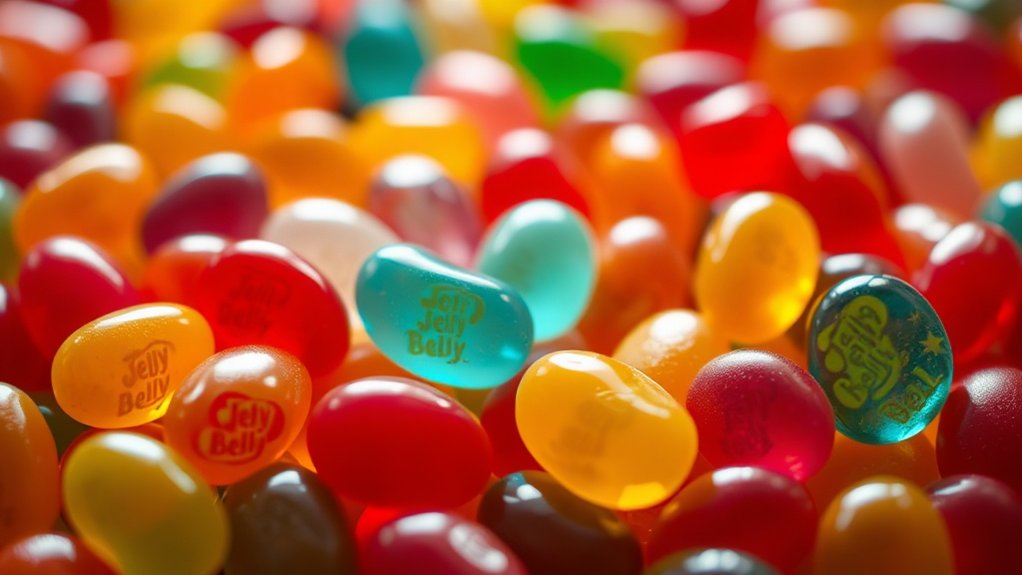
No, Jelly Belly jelly beans aren’t vegan. They contain beeswax and confectioner’s glaze (shellac), both animal-derived ingredients that conflict with vegan principles. Beeswax comes from honeybee colonies, while shellac is produced from lac beetle secretions—a harvesting process that often results in insect deaths. Although these candies don’t contain gelatin or carmine, making them vegetarian-friendly, the presence of beeswax and shellac disqualifies them from strict plant-based diets. You’ll find detailed information about vegan alternatives and ingredient transparency below.
Contents
show
Why Jelly Belly Jelly Beans Aren’t Vegan
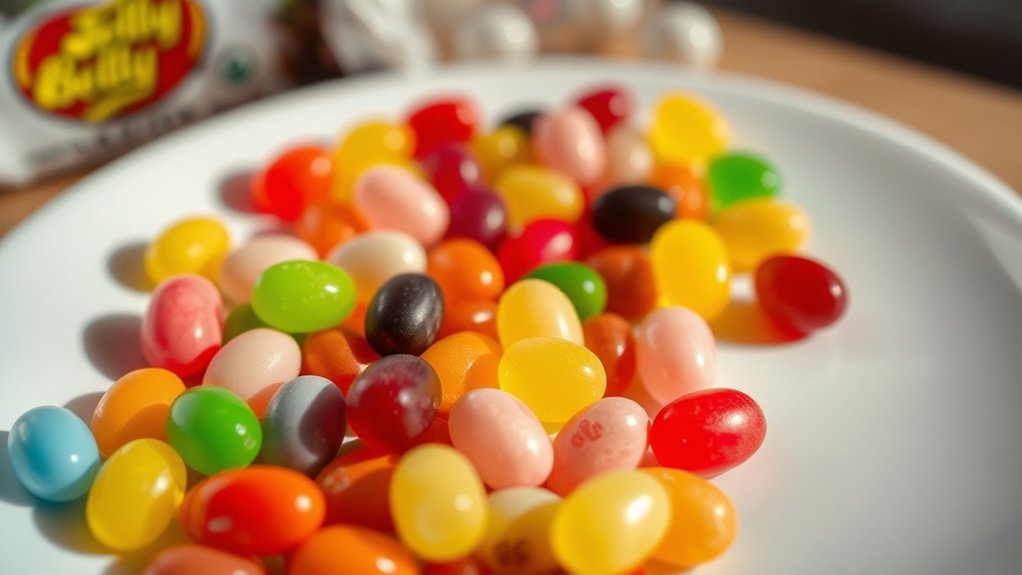
While Jelly Belly jelly beans are beloved for their diverse flavors and glossy appearance, they aren’t suitable for vegans due to two key animal-derived components.
First, they contain beeswax, which is obtained from bees and conflicts with vegan principles against animal exploitation.
Second, they use shellac—often listed as confectioners glaze—which comes from beetle resin. The collection process for shellac typically results in female beetle deaths, making it ethically problematic for those following plant-based lifestyles.
If you’re wondering “are jelly bellies vegan,” the answer is definitively no.
Unlike candies using plant-based alternatives, Jelly Bellys rely on these animal-derived substances for their characteristic shiny coating.
Vegans seeking similar treats should consider alternatives like Jolly Ranchers or Warheads instead.
What Is Beeswax and Why Do Vegans Avoid It?
Beeswax is a natural wax secreted by honeybees from specialized glands on their abdomens, which they use to construct the hexagonal cells of their hives.
You’ll find it used as a glazing agent in candies like Jelly Bellys, giving them their characteristic shine.
Most vegans avoid beeswax for several reasons. Ethically, harvesting it involves shakeing bee colonies, which can compromise their health and survival.
Since bees produce beeswax for their own use, taking it constitutes animal exploitation in vegan philosophy. Additionally, products containing beeswax aren’t always clearly labeled, making it easy to unknowingly consume animal-derived ingredients.
From a nutritional standpoint, beeswax is an animal-derived fat that doesn’t align with plant-based dietary principles, leading health-conscious vegans to exclude it from their diets.
Is Confectioner’s Glaze (Shellac) Vegan?
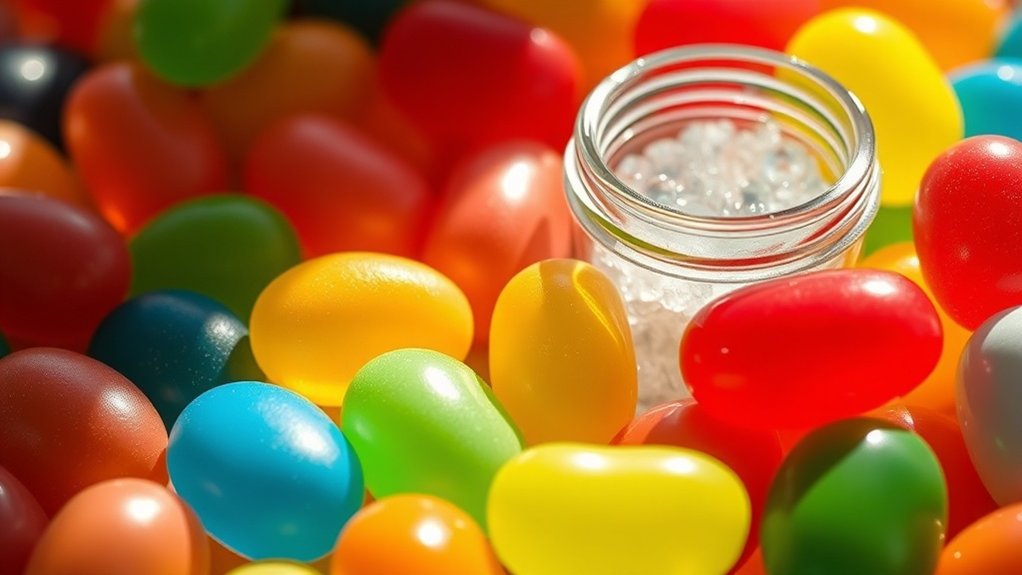
Confectioner’s glaze, commonly listed as shellac on ingredient labels, comes from the resinous secretions of the female lac beetle (*Kerria lacca*), making it unequivocally non-vegan.
This animal-derived coating is widely used in candy manufacturing to create a shiny, protective finish on products like jelly beans.
The harvesting process typically results in beetle deaths, which conflicts with vegan principles of avoiding animal exploitation.
You’ll find confectioner’s glaze in numerous confections, where it serves both aesthetic and preservation functions.
While plant-based alternatives exist for food glazing, manufacturers often choose shellac for its superior shine and durability.
If you’re following a vegan diet, you’ll need to scrutinize ingredient lists carefully, as confectioner’s glaze remains a common non-vegan ingredient in otherwise plant-based candies.
Do Jelly Belly Beans Contain Gelatin or Carmine?
Jelly Belly jelly beans stand apart from many traditional gummy candies by excluding gelatin from their formulation entirely. This animal-derived protein, commonly extracted from animal bones and tissues, doesn’t appear in their ingredient list, making them accessible to vegetarians who avoid gelatin-based products.
Additionally, you won’t find carmine in Jelly Belly beans. This red pigment, produced from crushed cochineal insects, is a common colorant in various confections but isn’t used in their formulation. The absence of both gelatin and carmine represents significant considerations for those seeking animal-free ingredients.
However, despite lacking these two animal derivatives, Jelly Belly beans still aren’t vegan. They contain beeswax and shellac—both animal-derived ingredients that make them unsuitable for strict vegan diets, even though they’re vegetarian-friendly.
Best Vegan Jelly Bean Brands That Taste Like Jelly Belly
While Jelly Belly beans aren’t vegan due to beeswax and shellac, several brands deliver comparable flavor intensity and texture without animal-derived ingredients.
Top vegan alternatives include:
- YumEarth Naturals Sour Jelly Beans – formulated with real fruit juice and natural ingredients, providing authentic fruit flavors without gelatin or beeswax.
- Jolly Ranchers Jelly Beans – offer bold, fruity taste profiles using plant-based formulations that exclude all animal products.
- Warheads Sour Jelly Beans – feature tangy flavor combinations through simple, vegan ingredient lists.
VeganSweets jelly beans replicate traditional texture by avoiding gelatin and beeswax entirely.
Wonka Nerds Bumpy Jelly Beans provide unique crunchy shells with fruity centers, all animal-free.
These brands demonstrate that you don’t need to compromise on taste or texture when selecting vegan confections.
Each option maintains the chewy consistency and vibrant flavors characteristic of conventional jelly beans.
Are Jelly Belly Jelly Beans Vegetarian?
Vegetarians often assume that gelatin-free jelly beans automatically fit their dietary requirements, but Jelly Belly jelly beans aren’t vegetarian. These candies contain beeswax and shellac, both animal-derived ingredients that exclude them from vegetarian diets.
Beeswax, produced by honeybees, raises ethical concerns among vegetarians due to potential harm during collection.
Shellac presents an even more significant issue—this glazing agent comes from beetle resin, and its production typically results in female beetle deaths.
While Jelly Bellys are gluten-free and gelatin-free, these animal-based additives disqualify them as vegetarian-friendly options.
If you’re seeking vegetarian alternatives, consider brands like Jolly Ranchers or Warheads, which offer jelly bean varieties without animal ingredients.
Always verify ingredient labels, as formulations can change.
Is The Jelly Bean Factory Vegan or Vegetarian?
The Jelly Bean Factory jelly beans aren’t suitable for vegans or vegetarians due to their coating ingredients.
You’ll find both shellac (derived from beetle resin) and beeswax in their products, which are animal-derived substances that disqualify them from plant-based diets.
While the company uses plant-based colors and natural flavors, these animal-sourced glazing agents remain present in their formulation.
Contains Beeswax and Shellac
Unfortunately, The Jelly Bean Factory® products face the same vegan limitations as Jelly Belly jelly beans. These candies contain both beeswax and shellac, rendering them unsuitable for plant-based diets.
Beeswax serves as a coating agent that gives jelly beans their characteristic shine. However, it’s an animal-derived product that contradicts vegan principles.
Shellac presents an even greater ethical concern—it’s produced from resin secreted by female lac beetles, and harvesting this substance typically results in insect deaths.
Consider what’s in your jelly beans:
- Beeswax: Extracted from honeycomb structures built by honeybees
- Shellac: Derived from beetle secretions, often killing the insects during collection
- Processing methods: Both ingredients undergo refinement before candy application
Most vegans categorically avoid these ingredients, making both Jelly Belly and The Jelly Bean Factory® products incompatible with vegetarian and vegan lifestyles.
Not Suitable for Vegans
Beyond ingredient concerns, classification issues further complicate The Jelly Bean Factory’s® dietary compatibility. While marketed as gluten-free and vegan-friendly, these jelly beans contain shellac—a resin secreted by beetles—making them technically non-vegetarian. This contradictory labeling creates confusion for conscientious consumers.
Shellac extraction often results in female beetle deaths, raising significant ethical concerns. You’ll find that many strict vegetarians avoid this ingredient alongside beeswax, as both involve animal exploitation. The shellac coating provides the beans’ characteristic shine but compromises their suitability for plant-based diets.
If you’re committed to vegan principles, you should select genuinely animal-free alternatives like YumEarth or Jolly Ranchers. These brands explicitly exclude animal-derived ingredients, making sure alignment with your dietary values.
Always verify ingredient labels, as “vegetarian-friendly” claims don’t guarantee vegan compliance.
Animal-Derived Coating Ingredients
While The Jelly Bean Factory® markets its products as vegetarian-friendly, two coating ingredients fundamentally contradict this claim. Both beeswax and shellac appear in their formulation, rendering these candies neither vegan nor truly vegetarian.
Beeswax originates from honeybee colonies, where worker bees secrete this wax to construct their hives.
You’re consuming an animal byproduct that most ethical vegetarians avoid.
Shellac (confectioners glaze) comes from lac beetle secretions. Female beetles produce this resin on trees, and harvesting often kills them in the process.
Combined impact: These ingredients serve as coating agents to create that signature glossy finish you see on jelly beans.
Despite gluten-free and dairy-free labeling, The Jelly Bean Factory® shares Jelly Belly’s non-vegan status due to these animal-derived components.
Are Natural Flavors in Jelly Beans Vegan?
Natural flavors present one of the most challenging gray areas for vegans evaluating Jelly Belly products. While these jelly beans don’t contain gelatin, their natural flavors remain problematic. The term “natural flavors” legally encompasses substances derived from both plant and animal sources, creating significant uncertainty for strict vegans.
Jelly Belly sources their natural flavors from European Flavor Houses, but they don’t disclose specific origins. Without manufacturer confirmation that these flavors are plant-based, you can’t definitively determine their vegan status.
This lack of transparency conflicts with vegan principles that prioritize clear ingredient disclosure. You’ll need to contact Jelly Belly directly for flavor-specific information if you’re adhering to a strict vegan diet.
Many vegans choose to avoid products with ambiguous natural flavors unless explicitly labeled as vegan-friendly, erring on the side of caution.
This article was reviewed by Nicole Anderson, RDN.