Last Updated: May 21, 2026
Is Jif Peanut Butter Vegan
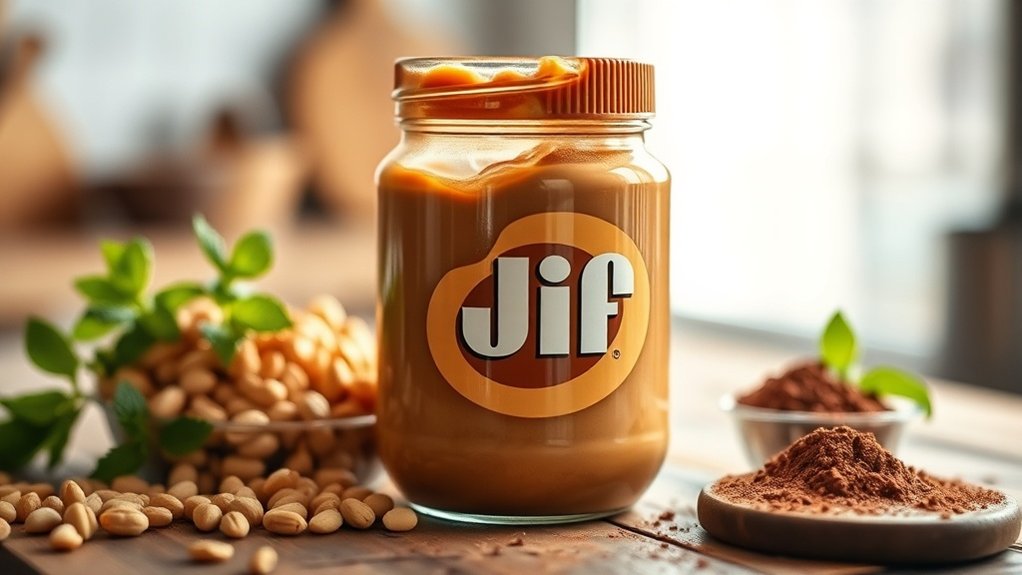
Most Jif peanut butter varieties are technically vegan since they don’t contain direct animal products, but there’s a catch you’ll want to know about. Standard Creamy and Crunchy varieties contain only peanuts, vegetable oils, salt, and sugar—making them plant-based. However, Jif’s sugar may be processed with bone char, and their palm oil raises sustainability concerns for ethical vegans. You’ll need to avoid varieties with honey or omega-3 fish oil. This article explains which specific varieties align with your vegan standards and what labels to watch for.
Contents
show
The Verdict: Is Jif Peanut Butter Actually Vegan?
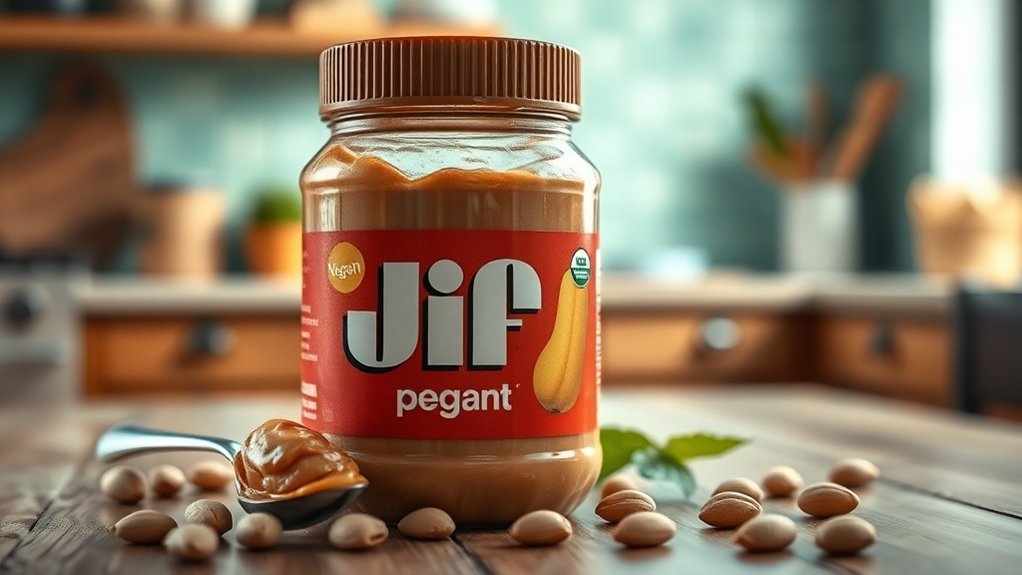
However, peanut butter ethics extend beyond obvious animal ingredients.
Jif controversies arise from sugar processing methods, which may involve bone char filtration. This causes some ethical vegans to reconsider their purchases.
Additionally, you’ll need to avoid specific varieties containing honey or fish-derived omega-3 supplements.
The verdict isn’t universally straightforward. While most Jif varieties qualify as technically vegan, you should always verify ingredient labels, as formulations change.
Your personal ethical standards will ultimately determine whether Jif aligns with your vegan principles.
Which Jif Varieties Are Vegan and Which Aren’t?
Understanding which Jif varieties align with vegan dietary requirements requires examining specific product formulations and their ingredient profiles.
When conducting Jif flavor comparisons, you’ll find that Creamy, Crunchy, Reduced Fat, and No Sugar Added varieties don’t contain animal-derived ingredients, making them suitable for most vegans. However, products labeled “with Honey” and Omega-3 varieties containing fish oil aren’t vegan-friendly.
Jif ingredient sourcing raises concerns for strict ethical vegans, particularly regarding sugar processing methods. The sugar in Jif may be filtered through bone char, though the ingredient itself is plant-based.
You should review ingredient lists regularly, as formulations change over time. Jif’s website offers FAQs confirming vegan-suitable products, enabling you to make informed purchasing decisions aligned with your dietary principles.
How to Read Jif Labels for Hidden Animal Ingredients
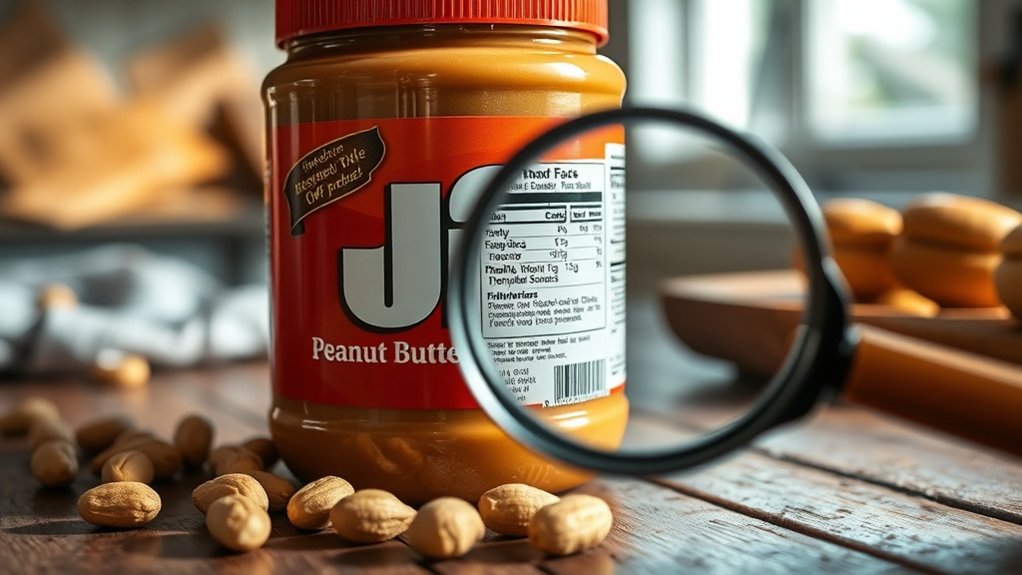
Reading Jif labels effectively requires systematic examination of several key areas where animal-derived ingredients may appear.
You’ll need to scrutinize the ingredient list for honey and fish oil, which occasionally appear in specialty spreads. Don’t rely on label terminology like “natural” or “creamy”—these descriptors don’t indicate vegan status.
Hidden ingredients pose additional challenges: sugar processing may involve bone char, making some products unsuitable for strict vegans despite appearing plant-based.
According to Jif’s FAQ, most plain varieties remain vegan-friendly, though exceptions exist.
Your safest approach involves selecting core varieties—Creamy, Crunchy, Reduced Fat, or No Sugar Added—which typically contain only peanuts, salt, and vegetable oils.
Always verify ingredients on each purchase, as formulations can change without prominent notification.
Does Jif’s Sugar and Palm Oil Affect Vegan Status?
While Jif’s ingredient list appears straightforward, two components—sugar and palm oil—complicate its vegan classification depending on your ethical framework.
Sugar sourcing becomes critical since some manufacturers process sugar using bone char, an animal-derived filtering agent. Jif’s FAQ acknowledges that not all products disclose their processing methods, requiring you to contact the company directly for clarification.
Ethical vegans typically prefer brands using organic sugar or explicitly stating they avoid bone char.
Palm oil presents another concern. Although Jif claims sustainable sourcing, environmental vegans often reject palm oil entirely due to its connection to deforestation and habitat destruction.
If you’re adhering to strict vegan principles, you’ll need to evaluate whether these ingredients align with your values or seek alternatives that transparently address both sugar processing and palm oil sustainability.
Should Strict Vegans Choose Natural or Organic Jif?
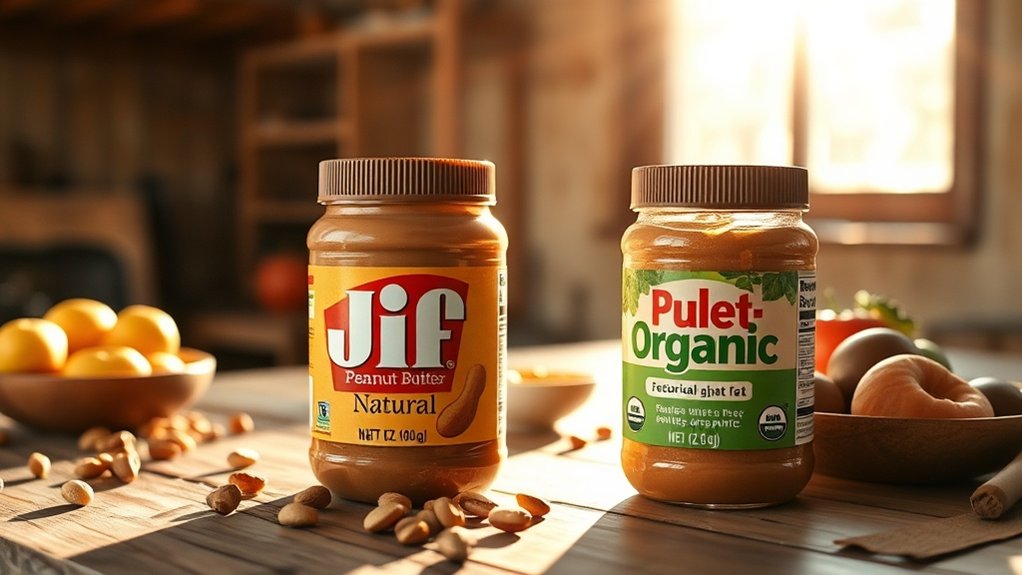
Given these concerns about conventional Jif products, strict vegans often gravitate toward the Natural or Organic varieties as safer options.
These formulations contain natural ingredients—primarily peanuts and salt—minimizing hidden animal derivatives. However, ethical considerations remain important when selecting between them.
Jif Natural may contain sugar potentially processed with bone char, which some strict vegans reject. Conversely, Jif Organic uses organic sugar, rarely processed through bone char filtration, making it your more reliable choice.
Both varieties exclude honey and fish oil, meeting fundamental vegan requirements.
You’ll still need to verify individual product labels, as formulations can change. Cross-contamination risks during manufacturing also warrant consideration.
For strict adherence to vegan principles, Jif Organic typically provides the most transparent ingredient sourcing and minimal processing concerns.
This article was reviewed by Nicole Anderson, RDN.