Last Updated: April 18, 2026
What Chips Are Vegan
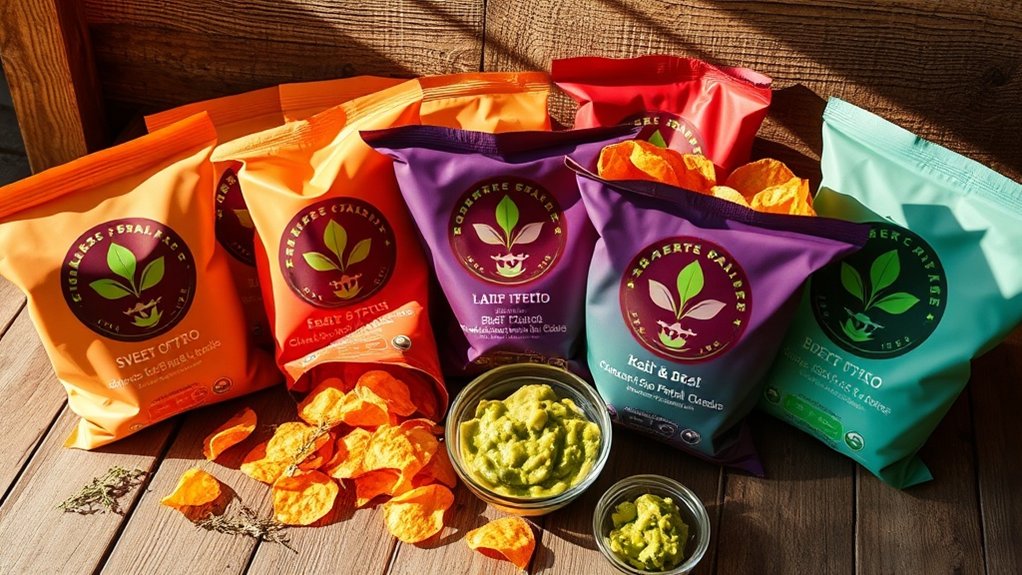
Most plain salted potato and corn chips are vegan, containing only potatoes or corn, oil, and salt. You’ll find certified vegan options from brands like Jacksons, Siete, and The Good Crisp Company. However, flavored varieties require closer scrutiny—BBQ chips can be vegan, but ranch typically contains dairy. Watch for hidden animal ingredients like whey, casein, and gelatin, plus ambiguous “natural flavors” that may include castoreum or anchovy derivatives. Understanding these distinctions and knowing which brands prioritize transparent labeling will help you confidently direct every chip aisle.
Contents
show
Plain Salted and Sea Salt Vegan Chips: The Safest Bets

Plain salted and sea salt chips represent the most reliable vegan options because their minimal ingredient lists—typically just potatoes or corn, oil, and salt—eliminate the risk of hidden animal-derived additives.
When you’re determining what potato chips are vegan, brands like Jacksons and Siete offer plain salted varieties that are allergen-free and certified plant-based.
The Good Crisp Company provides gluten-free sea salt options that simultaneously address multiple dietary restrictions.
To identify which chips are vegan, look for explicit “vegan” or “plant-based” labels on packaging.
Sea salt varieties emphasize natural flavors without unnecessary ingredients, making it easier to verify which potato chips are vegan.
These straightforward formulations—whether potato-based, corn-based, or chickpea-based—provide safe, nutritionally transparent choices for plant-based consumers.
9 Vegan Chip Brands You Can Buy With Confidence
Several certified vegan chip brands have emerged as reliable choices for plant-based consumers, offering products with transparent ingredient lists and third-party verification.
Hippeas produces chickpea-based puffs in varieties like Vegan Cheezy Cheddar and Blazin Hot ($5.99 for 3.75-4 oz bags), delivering 4 grams of plant protein per serving alongside a complete vegan formulation.
Siete’s Kettle Cooked Potato Chips combine vegan and gluten-free certifications in flavors such as Serrano Sea Salt & Vinegar ($3.94 for 5.5 oz), while Jacksons Sweet Potato Chips in Spicy Jalapeño ($2.97 for 5 oz) are free from the top nine allergens.
The Good Crisp Company’s Spicy Jalapeño chips ($3.74 for 5.6 oz) maintain a 4.5-star rating while meeting gluten-free standards, and Zacks Mighty Fiery Nacho Rolled Tortilla Chips ($3.97 for 7 oz) provide a vegan-certified option without artificial colors or dyes.
Which ‘Cheese’ and ‘Sour Cream’ Chip Flavors Are Actually Vegan?
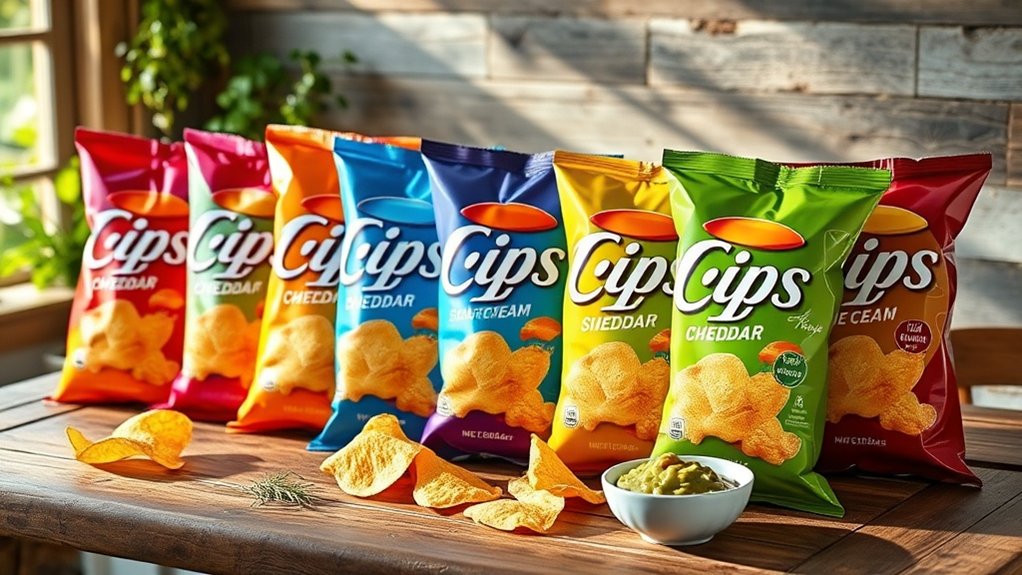
You’ll find that many “cheese” and “sour cream” chip flavors achieve their tangy, savory profiles through nutritional yeast, plant-based acids, and dairy-free seasonings rather than animal products.
Brands like Hippeas use chickpea flour combined with vegan cheddar seasoning to deliver authentic cheesy flavor while providing 4 grams of plant protein per serving.
However, you must verify ingredient labels carefully, as some manufacturers still incorporate milk derivatives like whey or casein in seemingly plant-based flavor varieties.
Vegan Cheddar Alternatives Available
For those seeking spicier options, The Good Crisp Company’s Spicy Jalapeno Chips**** combine gluten-free and vegan credentials with bold flavor.
Siete Kettle Cooked Potato Chips in Serrano Sea Salt & Vinegar demonstrate that tangy profiles traditionally achieved with dairy can successfully use plant-based seasonings instead.
Plant-Based Sour Cream Options
For cheese alternatives, Hippeas’ Vegan Cheezy Cheddar demonstrates how plant-based ingredients can replicate traditional cheese flavors effectively.
These brands use nutritionally-sound, high-quality ingredients to create satisfying alternatives without compromising dietary principles.
When selecting vegan chips, you’re accessing products that accommodate multiple dietary restrictions simultaneously.
Are BBQ and Ranch Vegan Chips? Flavor-by-Flavor Guide
When you’re craving the smoky tang of BBQ or the creamy zest of ranch-flavored chips, determining whether these popular varieties fit into your vegan lifestyle requires careful label scrutiny.
BBQ chips can be vegan, though you’ll need to verify the absence of milk powder or honey in the ingredient list.
Ranch-flavored options typically contain dairy components like buttermilk or cheese powder, making them unsuitable for vegans unless specifically formulated otherwise.
Plant-based brands such as Hippeas and Siete offer vegan-certified BBQ and ranch alternatives using cruelty-free ingredients. These products use natural spices and seasonings on potato or corn bases.
Always look for vegan certifications on packaging and review ingredient transparency statements to confirm alignment with your dietary requirements.
5 Hidden Animal Ingredients Lurking in Chip Bags
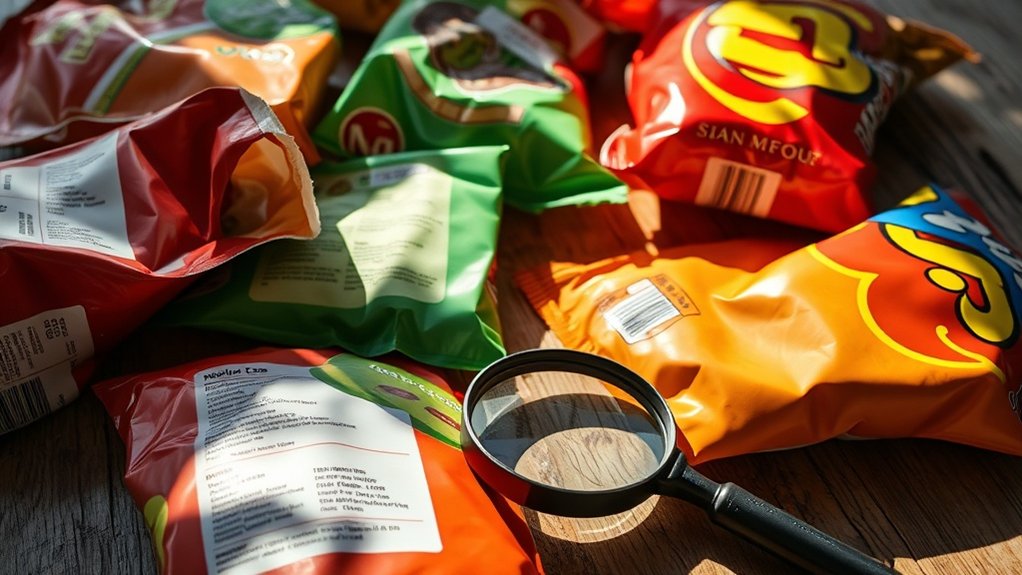
Many seemingly innocent chip varieties harbor animal-derived ingredients that aren’t immediately obvious to vegan consumers.
You’ll find dairy derivatives like whey, casein, and milk solids in flavored chips, particularly cheese-dusted varieties. Gelatin, sourced from animal collagen, appears in some seasoned options.
Natural flavors present a particular challenge—this umbrella term can conceal animal-based components without explicit disclosure.
Watch for cochineal or carmine in ingredient lists; these red colorants derive from crushed insects.
Even chips with plant-based ingredients may undergo cross-contamination in shared manufacturing facilities.
You’re safest selecting products bearing vegan certification marks, which verify both ingredient compliance and production standards.
Always scrutinize labels carefully, as seemingly vegan-friendly chips can contain unexpected animal derivatives that compromise their plant-based status.
The 30-Second Label Scan for Non-Vegan Ingredients
A systematic approach to label reading will save you from accidentally consuming animal products hidden in chip ingredients.
Start by scanning for dairy derivatives—whey, casein, and lactose frequently appear in cheese-flavored varieties. Next, check for gelatin, which manufacturers use as a coating agent in certain snacks.
You’ll also want to identify honey in sweetened or flavored options. Look carefully for carmine, an insect-derived red colorant that appears in some pink or red-tinted chips.
Finally, scrutinize artificial flavors and colors, as these additives can contain animal byproducts despite their synthetic-sounding names.
This 30-second scan focuses on the most common non-vegan ingredients, allowing you to make informed choices quickly without analyzing every single component on lengthy ingredient lists.
Are ‘Natural Flavors’ Vegan? When to Contact the Manufacturer
“Natural flavors” remain one of the most ambiguous ingredients on chip labels, as FDA regulations permit manufacturers to use this blanket term for flavoring agents derived from either plant or animal sources.
You’ll find that companies aren’t required to specify whether their natural flavors come from vegetables, fruits, spices, or animal products like meat, dairy, or insects.
When you spot “natural flavors” on a chip bag without vegan certification, contacting the manufacturer directly becomes your most reliable strategy for determining the product’s true vegan status.
What Are Natural Flavors?
When scanning chip ingredient labels, you’ll frequently encounter “natural flavors” listed among the components, but this umbrella term doesn’t reveal whether the flavoring agents come from plants or animals.
According to FDA regulations, natural flavors must derive from plant or animal sources, which creates uncertainty for vegan consumers. While many natural flavors come from extracts of fruits, spices, and herbs—making them inherently vegan—some originate from dairy products or other animal derivatives.
The labeling requirements don’t mandate source disclosure, leaving you unable to determine vegan status from packaging alone. If you maintain strict vegan practices, you’ll need to contact manufacturers directly to verify their natural flavor sourcing.
This additional step guarantees you’re making informed choices aligned with your dietary requirements.
Animal-Derived Flavor Sources
Several common animal-derived ingredients hide behind the “natural flavors” designation on chip packages, creating potential pitfalls for vegan consumers.
Since manufacturers aren’t required to disclose whether these flavors originate from plants or animals, you’ll need to take proactive steps to verify their sources.
Common animal-derived flavor sources include:
- Castoreum – extracted from beaver glands, used for vanilla or raspberry flavoring
- Carmine – derived from crushed cochineal insects, providing red coloring
- Anchovy derivatives – found in certain savory seasonings and worcestershire-based flavors
To guarantee your chips align with vegan standards, contact manufacturers directly for ingredient clarification.
Alternatively, look for products with vegan certifications or choose brands prioritizing transparency through clearly labeled plant-based ingredients.
This verification process helps you make informed purchasing decisions.
When to Contact Companies
Understanding which animal-derived ingredients might appear in chips leads directly to the question of verification. When you encounter “natural flavors” on a label, you can’t determine their source without further investigation. Companies aren’t required to specify whether these flavors derive from plant or animal origins on standard ingredient lists.
You should contact manufacturers directly when ingredient ambiguity exists, even if a brand markets itself as plant-based. Customer service departments can provide specific sourcing information that packaging doesn’t reveal. Request details about natural flavors, processing aids, and cross-contamination risks.
Look for third-party “Certified Vegan” labels, which indicate independent verification of all ingredients and manufacturing processes. These certifications eliminate guesswork and provide reliable assurance.
While some brands like Hippeas explicitly label products as vegan, verifying ambiguous ingredients remains your responsibility.
10 Surprising Vegan Chip Flavors You Didn’t Know Existed
Who knew the vegan chip aisle could spark such culinary adventure?
You’ll find flavors that push beyond basic salt, delivering authentic heat and complexity while meeting strict dietary standards.
Three Unexpected Vegan Chip Flavors Worth Trying:
- Serrano Sea Salt & Vinegar – Siete’s kettle-cooked chips (4.7 stars, $3.94/5.5 oz) combine tangy vinegar with serrano pepper heat in a completely plant-based format.
- Spicy Jalapeño Sweet Potato – Jackson’s transforms sweet potatoes into crispy chips (4.5 stars, $2.97/5 oz), proving vegetables can deliver serious flavor.
- Fiery Nacho Tortilla – Zacks Mighty’s rolled chips (4.6 stars, $3.97/7 oz) achieve bold cheese-like flavor without dairy, using only natural colorings.
These options demonstrate that plant-based snacking doesn’t require taste compromises.
Ingredient lists tell only half the story regarding vegan chip certification. Shared fryers present a significant cross-contamination concern that can compromise your chips’ vegan status. When manufacturers use the same oil for both plant-based and animal products, trace amounts of animal-derived ingredients may transfer to your chips during cooking.
Many strict vegans consider this cross-contamination unacceptable, even when the chips themselves contain only plant-based ingredients. Reputable manufacturers like Jacksons and Siete often use dedicated fryers and clearly label their processing methods.
You’ll need to check packaging carefully, as not all companies disclose their fryer practices. When dining out or purchasing from unclear sources, directly inquire about cooking methods.
This due diligence guarantees your chips align with your vegan standards and dietary requirements.
Why Your Favorite Chip Might Not Be Vegan in Another Country
You might assume your favorite vegan chips maintain the same formula worldwide, but manufacturers routinely adjust ingredients based on regional regulations, available flavoring agents, and local taste preferences.
While your go-to brand uses plant-based seasonings in one country, the same product elsewhere may contain dairy-derived whey powder, lactose, or animal-based flavor additives that comply with different labeling standards.
Cross-contamination protocols also vary greatly between facilities and countries, meaning production practices that meet vegan standards in one region may not satisfy stricter requirements in another.
Regional Ingredient Formula Differences
When traveling abroad, many vegans find out their trusted chip brands aren’t as plant-based as they assumed. Manufacturers reformulate products based on regional regulations, ingredient availability, and consumer preferences.
What’s vegan-certified in your home country may contain animal derivatives elsewhere.
Key regional formulation variations include:
- Seasoning substitutions – Cheese-flavored chips might use dairy powder in Europe but plant-based alternatives in markets with higher vegan demand, while some Asian varieties incorporate chicken or fish extracts in supposedly “plain” flavors.
- Production facility differences – Shared equipment policies vary by region, creating cross-contamination risks that affect vegan suitability even when ingredients appear plant-based.
- Labeling transparency – Countries with stricter allergen disclosure requirements make identifying animal-derived ingredients easier, while less regulated markets obscure these details on packaging.
Animal-Derived Flavoring Regulations
Among these formulation differences, flavoring regulations present the most complex challenge for vegans traversing international chip aisles.
In the U.S., “natural flavors” can derive from plant or animal sources without detailed disclosure, requiring you to seek explicit vegan certification.
The EU mandates clearer identification of animal-derived ingredients, yet permits ambiguous terminology like “natural flavoring” that obscures sourcing.
Certain manufacturers use animal-derived enzymes or flavorings undisclosed on packaging, particularly in markets with lenient labeling laws.
A chip labeled vegan in one country may contain animal products elsewhere due to these regulatory inconsistencies.
You’ll need to identify certified vegan labels or contact manufacturers directly to verify flavoring sources.
This diligence guarantees your chip purchases align with vegan principles regardless of geographic location.
Cross-Contamination Standards Vary Globally
- Dedicated production lines: U.S. manufacturers frequently use separate equipment for vegan products. In contrast, facilities in other countries may process vegan and non-vegan items on shared lines without adequate cleaning protocols.
- Regulatory oversight: FDA guidelines differ substantially from international counterparts. This affects allergen control and contamination thresholds that determine vegan certification eligibility.
- Labeling transparency: Some countries require minimal disclosure about shared facilities. This leaves you unaware of potential animal-derived ingredient exposure through processing equipment.
You must scrutinize local labeling practices and contact manufacturers directly when traveling or purchasing imported chips.
This article was reviewed by Nicole Anderson, RDN.