Last Updated: July 15, 2026
Is Soda Vegan
Most sodas you’ll encounter are vegan since they’re made from plant-based ingredients like carbonated water, sugar, and flavorings. However, you’ll need to watch for certain additives that can compromise vegan status—carmine (from insects), gelatin used in filtration, and vitamin D3 from sheep’s wool occasionally appear in formulations. Sugar processing with bone char also raises concerns for strict vegans. Regional variations mean the same brand might use different ingredients depending on your location, so checking labels remains essential for making informed choices.
Contents
show
What Makes a Soda Vegan or Not?
Most sodas qualify as vegan because they’re built from plant-based components: carbonated water, sugars derived from corn or cane, and natural flavorings extracted from botanical sources.
However, determining if a vegan can drink soda requires scrutiny of specific ingredients. Non-vegan additives like gelatin, carmine (cochineal extract), and honey occasionally appear in formulations.
Sugar processing presents another consideration—cane sugar may involve bone char filtration, though beet sugar remains consistently vegan-friendly.
Are fizzy drinks vegan? Not universally. Some beverages contain undisclosed animal derivatives, particularly in regional formulations.
Are soft drinks vegan in every market? Diet Pepsi in the U.K., for instance, has included non-vegan components.
You’ll need to examine ingredient labels carefully, as animal-derived substances can hide in “natural flavors” or processing agents.
Verification confirms your beverage choices align with vegan principles.
Which Popular Soda Brands Are Actually Vegan?
When traversing the beverage aisle, you’ll find that Coca-Cola products—including Classic Coke, Sprite, and Fanta—contain no animal-derived ingredients and meet vegan standards across their standard formulations.
However, Pepsi’s portfolio presents a different picture: only Pepsi and Pepsi Max carry confirmed vegan status, while their remaining products may contain undisclosed animal-derived components.
Cream sodas from A&W, Barqs, and Mug generally qualify as vegan, though you should verify specific formulations before purchasing.
Mountain Dew presents an ethical consideration—while ingredient lists appear plant-based, the artificial colors used have undergone animal testing, which some vegans find unacceptable.
You’ll need to scrutinize ingredient labels carefully, as hidden non-vegan additives like gelatin and carmine occasionally appear in sodas without prominent notification.
Non-Vegan Ingredients Hiding in Your Soda
Beyond the obvious sugar content, several animal-derived ingredients lurk in sodas without clear labeling.
Carmine, a red dye from crushed cochineal insects, provides vibrant color in some beverages.
You’ll also encounter gelatin used during filtration processes, though manufacturers rarely disclose this technical aid on ingredient lists.
Vitamin D3, commonly sourced from lanolin in sheep’s wool, may fortify certain sodas.
Ester gum, a stabilizer derived from glycerol, presents ambiguity since it can originate from animal sources.
Some specialty sodas contain honey, which many vegans avoid due to animal exploitation concerns.
These hidden ingredients complicate vegan verification, as they’re often processing aids or derivatives not explicitly mentioned on labels.
Contact manufacturers directly when ingredient origins remain unclear.
How to Check if Any Soda Is Vegan?
Determining a soda’s vegan status requires a systematic approach that goes beyond scanning the front label. You’ll need to investigate multiple sources to confirm whether animal-derived ingredients are present.
Essential steps for verifying vegan status:
- Examine ingredient lists for hidden animal products like gelatin, carmine, or vitamin D3.
- Identify sugar sources since cane sugar may involve bone char processing; organic cane or beet sugar guarantees vegan compliance.
- Search for vegan certification marks on packaging that confirm no animal-derived ingredients.
- Research brand-specific policies as companies like Coca-Cola publish ingredient transparency information.
- Consult vegan databases and online resources that track product formulations across brands.
This methodical verification process helps you make informed choices while guiding through potential non-vegan additives in beverages.
Why Vegan Soda Options Vary by Country
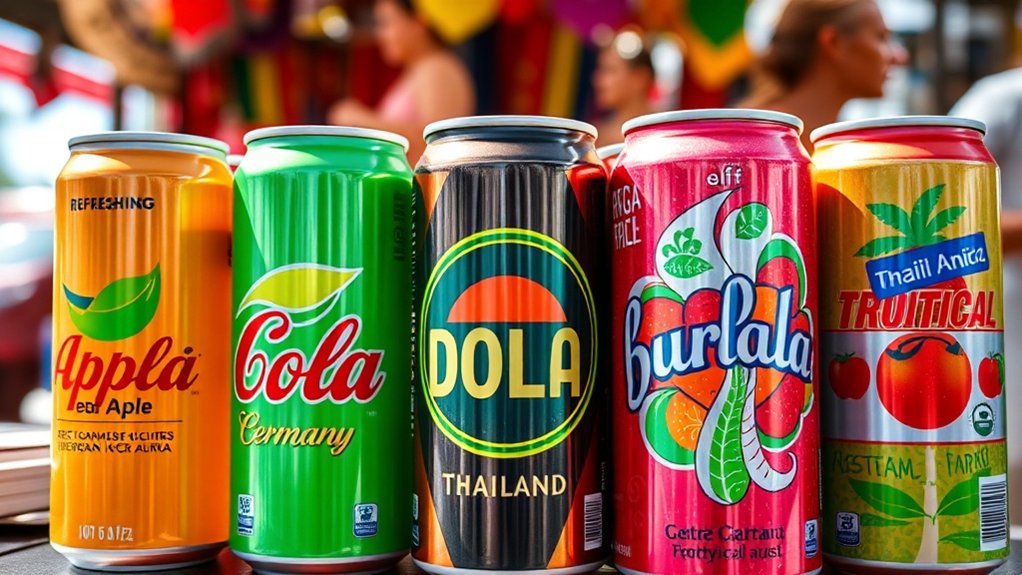
Once you’ve mastered checking individual products, you’ll quickly find that a soda’s vegan status isn’t universal—the same brand can contain different ingredients depending on where it’s sold. Food regulations and ingredient sourcing practices vary greatly between countries, directly impacting formulations.
For example, U.K. Diet Pepsi has contained undisclosed non-vegan ingredients not found in other markets.
Regional differences extend beyond individual components. American sodas commonly use high fructose corn syrup, while other countries prefer cane sugar—which may be processed with bone char, affecting vegan status.
Cultural preferences can introduce gelatin or honey in certain markets. Brands also adapt recipes to meet local dietary trends and regulations, meaning identical product names don’t guarantee identical formulations.
You’ll need to verify ingredients for your specific region.
This article was reviewed by Nicole Anderson, RDN.