Last Updated: June 9, 2026
Is Gum Vegan
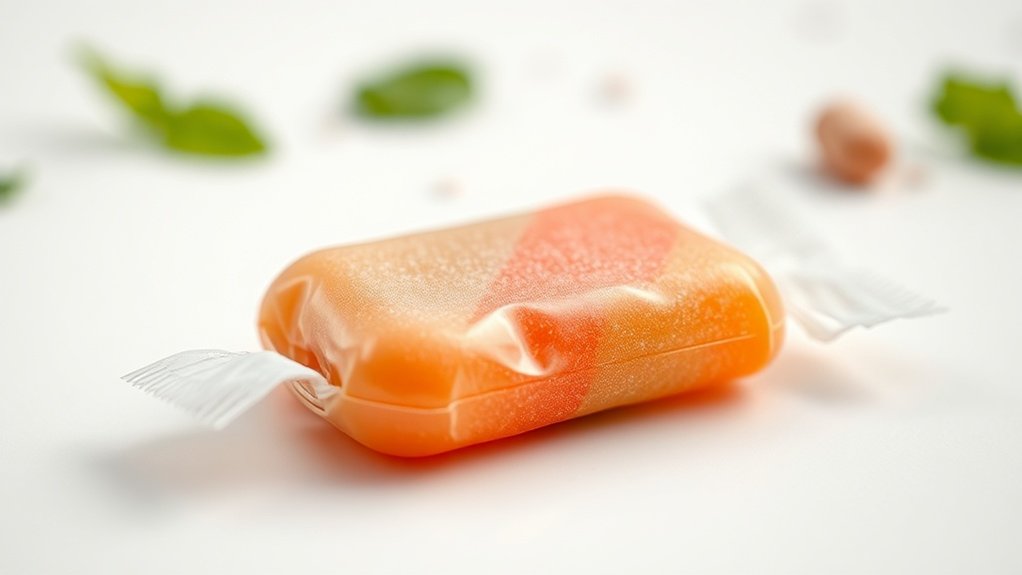
Most chewing gum is technically vegan, but you’ll need to check labels carefully. While gum base typically contains synthetic materials, some brands add gelatin for texture, carmine for red coloring, or animal-derived glycerin and stearic acid. Major brands like Wrigley’s Extra often use plant-based ingredients, but formulations vary. Look for vegan certifications or contact manufacturers directly about ambiguous components. Dedicated vegan brands like Pür and Simply Gum offer guaranteed plant-based options with transparent sourcing that removes all guesswork from your selection.
Contents
show
Is Most Chewing Gum Vegan?

While the majority of chewing gum products on today’s market are technically vegan, you’ll need to examine ingredient labels carefully to confirm their status.
The primary component, gum base, typically consists of synthetic or natural waxes and resins that don’t contain animal derivatives. However, ingredient sourcing becomes critical when identifying potential non-vegan additives.
You should watch for gelatin, which provides texture in certain varieties, carmine (a red pigment from insects), and stearic acid that may derive from animal fat.
Major brands like Wrigley’s Extra, Hubba Bubba, and Mentos manufacture vegan-friendly options, though formulations vary between product lines.
Since ingredient transparency differs across manufacturers, you’re responsible for verifying each gum’s composition through careful label review or direct company contact.
Which Gum Ingredients Aren’t Vegan?
Several animal-derived compounds frequently appear in chewing gum formulations, complicating vegan classification. Understanding gum ingredient origins helps you identify non-vegan additives before purchasing.
Three primary animal-based ingredients to watch for:
- Gelatin – Extracted from animal bones and ligaments, this protein provides chewy texture and binding properties in many conventional gum brands.
- Carmine (cochineal extract) – This red pigment comes from crushed beetles and appears in colored gum varieties.
- Stearic acid – Often animal-fat-derived, though plant versions exist, requiring manufacturer verification.
Additional problematic ingredients include glycerin (ambiguous sourcing from animal or vegetable origins), lanolin from sheep’s wool, and beeswax.
You’ll need to examine ingredient labels carefully, as manufacturers don’t always specify whether these compounds originate from animal or plant sources.
Contact companies directly when labeling remains unclear.
How to Check if Your Gum Is Vegan
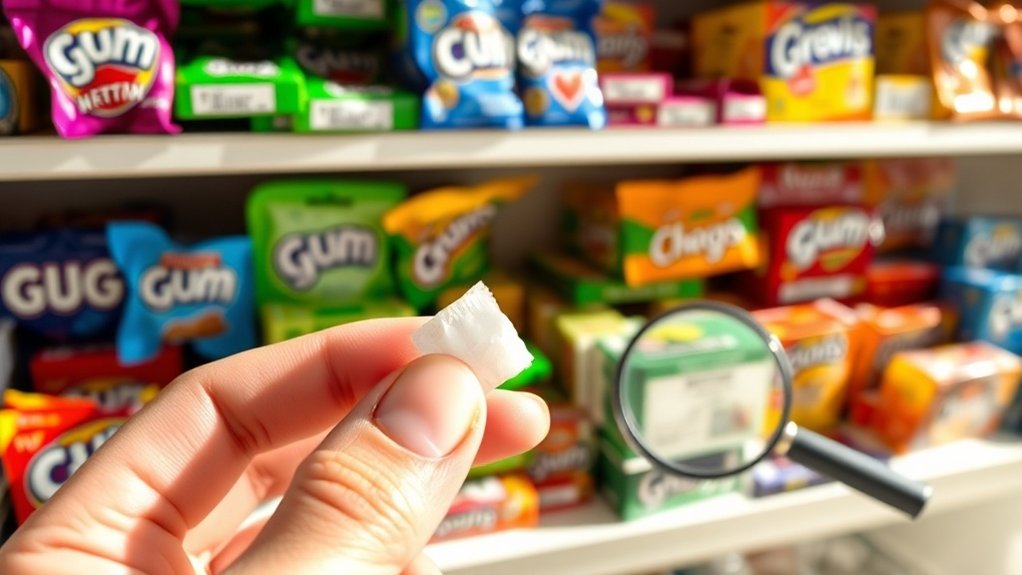
Now that you understand which ingredients to avoid, you can systematically verify whether your gum meets vegan standards through a three-step verification process.
First, examine the ingredients list for animal-derived components like gelatin, carmine (E120), lanolin, and stearic acid.
Pay attention to gum ingredient sources, as glycerin and stearic acid can derive from either plants or animals.
Second, look for vegan certifications on packaging.
Vegan certification importance can’t be overstated—it provides immediate confirmation that manufacturers have verified all ingredients meet plant-based standards.
Third, contact manufacturers directly when encountering ambiguous ingredients.
They’ll clarify whether components like glycerin originate from vegetable or animal sources.
Consider researching established vegan gum brands such as Pür, Simply Gum, and Xylichew, which transparently use plant-based formulations.
Vegan Gum Brands Worth Buying
Additional vegan-certified options prioritizing ethical sourcing include:
- Tree Hugger – employs biodegradable packaging and sustainably harvested chicle.
- Five – select varieties contain no gelatin or stearic acid.
- Orbit – specific products meet vegan standards, requiring label verification.
These brands demonstrate that flavor variety doesn’t require animal exploitation.
This article was reviewed by Nicole Anderson, RDN.