Last Updated: July 20, 2026
Is Vegetable Oil Vegan
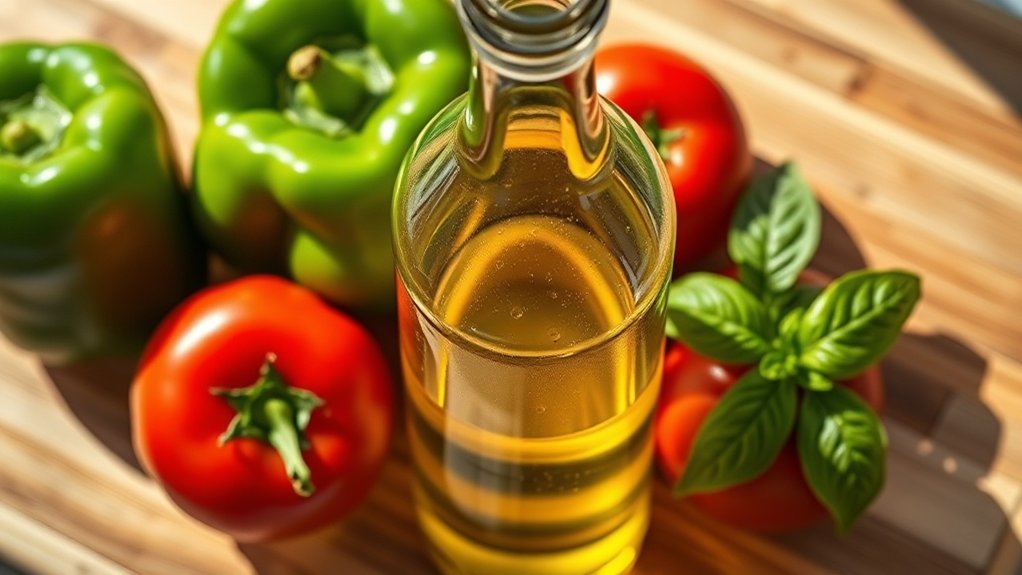
Yes, vegetable oil is vegan since it’s extracted from plant sources like seeds, nuts, and fruits without animal-derived ingredients. You’ll find common varieties such as canola, soybean, sunflower, and corn oil are inherently plant-based. However, you should check labels for non-vegan fortifications like fish-derived omega-3s or lanolin-based vitamin D3. The refining process—including degumming, neutralization, and bleaching—doesn’t introduce animal products, maintaining the oil’s vegan status. Understanding additive sources and ethical sourcing practices will help you make more informed dietary choices.
Contents
show
What Makes Vegetable Oil Vegan (And Why Most Oils Qualify)
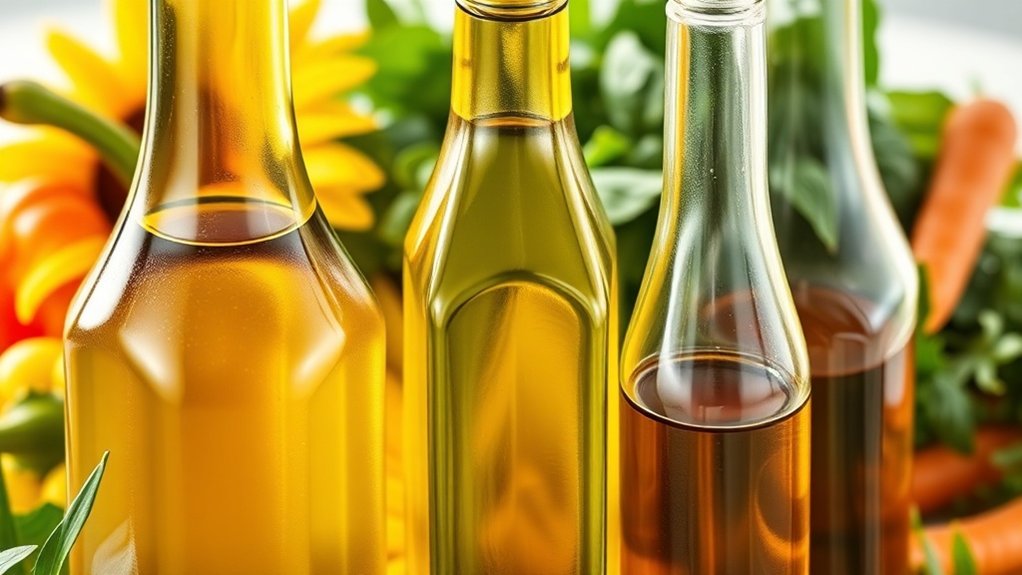
Because vegetable oils originate exclusively from plant matter—specifically seeds, nuts, legumes, and fruits—they contain zero animal-derived components and meet the fundamental criteria for vegan classification.
You’ll find common varieties like canola, soybean, sunflower, and corn oil are all extracted from plant sources through mechanical pressing or solvent-based methods. These extraction methods don’t introduce animal products during processing, maintaining the oils’ vegan status from harvest to bottle.
The production chain involves pressing raw materials to release lipids, followed by refining processes including degumming, bleaching, and deodorizing.
Throughout these stages, manufacturers rely solely on physical and chemical techniques—not animal-derived filtering agents. This guarantees you’re consuming a product that’s nutritionally complete with essential fatty acids and fat-soluble vitamins while remaining entirely plant-based and suitable for your vegan dietary requirements.
Animal-Derived Additives That Can Make Vegetable Oil Non-Vegan
While base vegetable oils derive from plant sources, manufacturers often fortify them with nutrients that may compromise their vegan status.
Omega-3 fortification typically uses fish-derived EPA and DHA rather than algal sources, introducing animal products into an otherwise plant-based oil.
Likewise, vitamin D3 additives commonly originate from lanolin (sheep’s wool) or fish liver oil, making it essential to verify whether fortified oils use the plant-derived D2 (ergocalciferol) or vegan D3 from lichen instead.
Omega-3 Fortification From Fish
Although vegetable oils originate from plant sources, manufacturers sometimes fortify these products with omega-3 fatty acids derived from fish oil, compromising their vegan status.
These marine-derived additives present significant dietary considerations for individuals maintaining strict plant-based protocols.
When evaluating omega 3 sources in fortified oils, you’ll need to:
- Examine ingredient panels for terms like “fish oil,” “marine oil,” or “EPA/DHA from fish”
- Identify the omega-3 type – fish-derived versus algae-based supplementation
- Research manufacturer practices regarding fortification methods and source materials
- Consider algae-derived alternatives that provide equivalent cardiovascular benefits without animal derivatives
Understanding the origin of omega-3 fortification enables you to maintain nutritional adequacy while adhering to vegan principles.
Algae-based omega-3s offer comparable bioavailability and health outcomes without compromising dietary ethics.
Vitamin D3 Additive Sources
Beyond omega-3 fortification, vitamin D3 additives represent another significant concern for those following vegan dietary protocols. D3 sourcing typically involves lanolin extraction from sheep’s wool or fish liver oil derivatives, both animal-based substances that may be incorporated into vegetable oils.
Unlike its counterpart vitamin D2 (ergocalciferol), which derives from plant sources, D3’s animal origins necessitate careful label examination. You’ll find that manufacturers don’t uniformly disclose these additive sources, making identification challenging.
Plant alternatives exist through D2 supplementation or lichen-derived D3, though their implementation in commercial vegetable oils remains inconsistent. To guarantee vegan compliance, you should specifically select products labeled “vegan-certified” or those explicitly containing plant-based vitamin D formulations rather than assuming all vegetable oils meet these criteria.
Is Canola Oil Vegan? A Guide to Common Vegetable Oils

When examining plant-based dietary choices, canola oil stands as a definitively vegan option. Derived exclusively from Brassica napus seeds, it’s produced through mechanical extraction without animal-derived inputs.
Canola oil benefits for vegan nutrition include:
- Low saturated fat content supporting cardiovascular health
- Omega-3 fatty acid provision, essential for plant-based diets
- High smoke point (400°F) enabling versatile cooking applications
- Cost-effectiveness compared to specialty vegetable oils
The canola oil uses span multiple culinary applications—you’ll find it suitable for high-temperature frying, baking, and sautéing.
As a refined vegetable oil, it contains no animal products throughout processing stages. Its widespread availability and affordability make it a practical staple in vegan kitchens.
The nutritional profile, particularly the omega-3 content, addresses common concerns about essential fatty acid intake in plant-based dietary patterns.
How to Identify Vegan Vegetable Oil at the Grocery Store
Most vegetable oils displayed in grocery aisles maintain inherent vegan status through their plant-origin composition, yet verification requires systematic label examination to identify potential non-vegan additives.
Effective grocery store tips include prioritizing products labeled “100% vegetable oil” or “plant-based,” which confirm absence of animal-derived components.
Label reading necessitates scrutinizing ingredient lists for non-vegan substances like dairy derivatives or lard. Organic and non-GMO certifications don’t determine vegan status but indicate quality standards.
Consider oil varieties—canola, sunflower, soybean—as each offers distinct nutritional profiles and thermal properties affecting culinary applications.
You’ll find most pure vegetable oils meet vegan dietary requirements, though flavored or specialty oils warrant additional scrutiny for animal-based additives or processing agents that compromise plant-based integrity.
Are Refined Vegetable Oils Still Vegan?
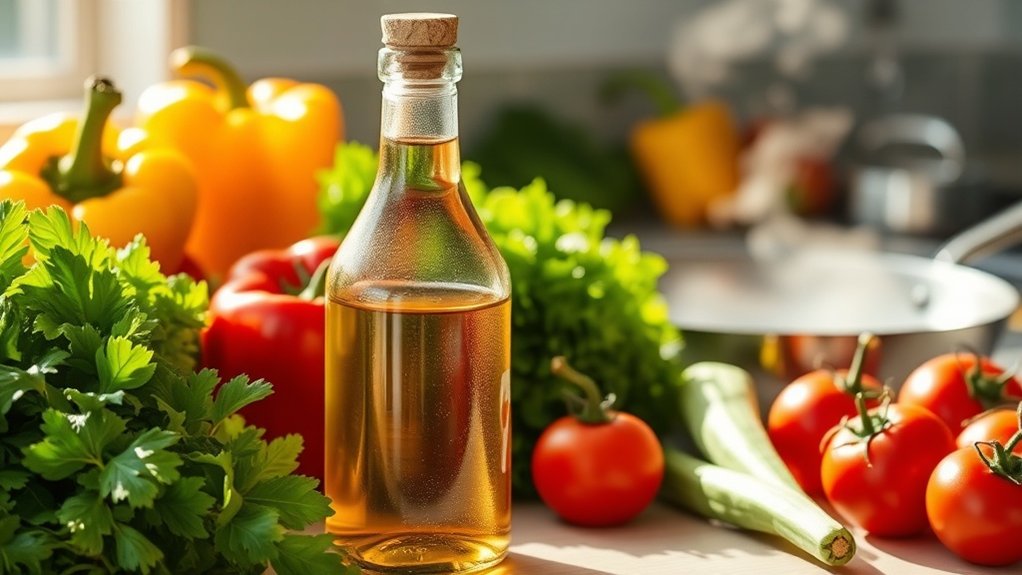
Refined vegetable oils undergo mechanical pressing or solvent extraction processes that remove impurities, colors, and flavors without introducing animal-derived ingredients.
The refining steps—including degumming, neutralization, bleaching, and deodorization—exclusively use chemical and physical methods that maintain the oil’s plant-based composition.
You’ll find that refined oils like canola, soybean, and sunflower retain their vegan status throughout processing, as the refinement alters only the oil’s sensory properties and nutrient profile rather than its botanical origin.
Refining Process Explained
Although vegetable oils derive exclusively from plant sources, many consumers question whether industrial refining compromises their vegan status. The refining methods employed maintain the oil’s plant-based integrity throughout processing.
Understanding oil extraction and refinement involves these key stages:
- Mechanical pressing extracts crude oil from seeds, nuts, or fruits without animal-derived substances.
- Solvent extraction uses plant-based hexane to maximize oil yield from remaining plant material.
- Degumming and neutralization remove phospholipids and free fatty acids using water or phosphoric acid.
- Bleaching and deodorizing eliminate pigments and volatile compounds through clay filtration and steam distillation.
These processing techniques don’t introduce animal products at any stage.
While refining reduces certain micronutrients like vitamin E and phytosterols, the resulting oils—including canola, soybean, and corn—remain entirely plant-derived and suitable for vegan consumption.
Plant-Based Status Maintained
The extensive refining stages confirm that vegetable oils retain their vegan classification throughout industrial processing.
You’ll find that oil extraction methods—whether mechanical pressing or solvent-based techniques—exclusively use plant sources without introducing animal-derived substances.
The degumming, neutralization, bleaching, and deodorization phases modify the oil’s chemical composition by removing phospholipids, free fatty acids, pigments, and volatile compounds, yet these processes don’t compromise the product’s plant-based integrity.
Your refined vegetable oils maintain their vegan status because refining improves shelf stability and cooking performance through physical and chemical alterations of existing plant compounds rather than adding non-vegan ingredients.
The high smoke points characteristic of refined canola, soybean, and sunflower oils result from removing impurities naturally present in plant sources, assuring you’re consuming a product that remains fundamentally plant-derived.
Best Vegan Oils for High-Heat Cooking vs. Baking
When selecting vegan oils for culinary applications, you’ll need to evaluate the distinct thermal stability requirements of high-heat cooking versus baking. High heat oils demand increased smoke points to prevent lipid oxidation and trans-fat formation.
Optimal High Heat Oils:
- Avocado oil (520°F smoke point) – superior thermal stability
- Rice bran oil (490°F) – balanced fatty acid profile
- Refined light olive oil (468°F) – moderate monounsaturated content
- Sunflower oil – suitable for sautéing applications
For baking oils, you’ll prioritize moisture retention and flavor neutrality.
Canola oil’s high monounsaturated fat content preserves textural integrity in baked goods. Coconut oil improves creaminess but contains increased saturated fats, warranting mindful portion control.
Consider your specific culinary temperature requirements when selecting appropriate plant-based lipids.
Does Palm Oil Count as Vegan? Ethics Beyond Animal Ingredients

You’re witnessing ethical sourcing become increasingly central to vegan philosophy, where plant-based status alone doesn’t satisfy consumption criteria.
The RSPO certification indicates sustainable practices adherence, offering you verification options when evaluating palm oil products. This ingredient exemplifies how modern veganism considers ecological and social consequences alongside animal welfare.
When selecting vegetable oils, you’ll need to weigh nutritional requirements against production ethics, recognizing that ingredient origin represents only one dimension of informed dietary choices.
Which Vegan Cooking Oil Is Healthiest for Your Diet?
How do you identify the best cooking oil when nutritional profiles vary considerably across plant-based options?
Oil comparisons reveal distinct advantages based on fatty acid composition and intended culinary applications.
Evidence-Based Rankings for Ideal Vegan Oils:
- Extra virgin olive oil delivers monounsaturated healthy fats with documented anti-inflammatory benefits, supporting cardiovascular health through polyphenol content.
- Avocado oil provides thermal stability with its high smoke point (520°F), making it suitable for high-heat cooking while maintaining nutritional integrity.
- Canola oil offers favorable omega-3 fatty acids and minimal saturated fat, contributing essential nutrients to plant-based dietary patterns.
- Flaxseed oil excels in omega-6 to omega-3 ratio optimization, though heat sensitivity restricts its use to cold applications.
Prioritize oils demonstrating superior fatty acid profiles and appropriate smoke points for your cooking methodology.
This article was reviewed by Nicole Anderson, RDN.