Last Updated: May 27, 2026
Is Shortening Vegan
Most vegetable shortening is vegan since it’s made from plant oils like soybean and palm, but you’ll need to verify the source of additives. Check labels for mono and diglycerides, which can derive from either plant or animal sources. Popular brands like Crisco use plant-based ingredients, though manufacturers don’t always clearly disclose sourcing practices. If you’re concerned about ethical issues surrounding palm oil production, you’ll want to look for sustainably certified options. Understanding specific brands and suitable alternatives can help you make informed choices.
Contents
show
Is All Vegetable Shortening Actually Vegan?
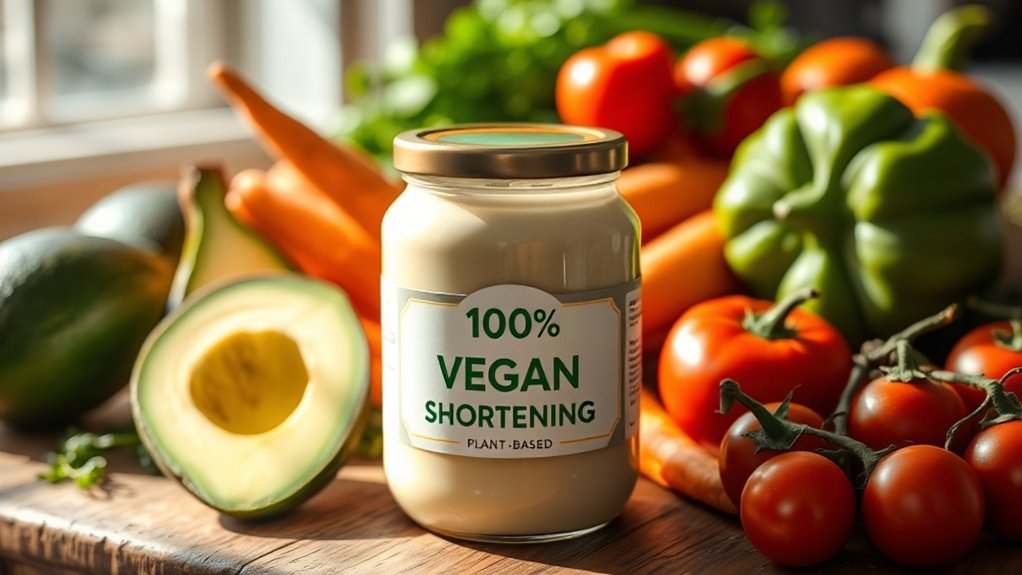
Most vegetable shortening products earn their vegan status through plant-based formulations, but you’ll need to examine ingredient lists carefully.
Crisco exemplifies how all-vegetable shortening is vegetable shortening vegan-friendly, containing primarily soybean oil and fully hydrogenated palm oil without animal derivatives. It’s marketed as dairy-free with beta-carotene for coloring.
However, you should understand that mono and diglycerides warrant scrutiny. While manufacturers claim plant-based origins, strict vegans remain cautious about verification. Additionally, “0% trans fat” labeling doesn’t guarantee complete absence of these compounds.
Beyond ingredient concerns, palm oil raises ethical questions. The environmental impact of palm oil production prompts some vegans to reconsider products despite their technical vegan classification.
You’ll want to weigh both nutritional composition and sustainability when determining whether vegetable shortening aligns with your values.
How to Check if Your Shortening Contains Animal Ingredients
Determining whether your shortening contains animal ingredients requires a systematic approach to label examination. Start by scanning for explicit animal-derived fats like “lard” or “suet,” which immediately disqualify the product as vegan.
Next, identify “mono- and diglycerides”—these emulsifiers can originate from plant or animal sources, necessitating manufacturer verification for certainty.
Prioritize products clearly labeled “all-vegetable” or “vegan” to minimize ambiguity. However, you’ll want to research the brand’s sourcing practices, particularly regarding palm oil, as ethical considerations can affect your vegan assessment.
Third-party certifications provide valuable validation. Look for “Certified Vegan” or “Non-GMO Project Verified” logos, which offer independent verification of ingredient sourcing and manufacturing processes.
These certifications reduce guesswork and improve transparency in your purchasing decisions.
Are Mono and Diglycerides in Shortening Vegan?
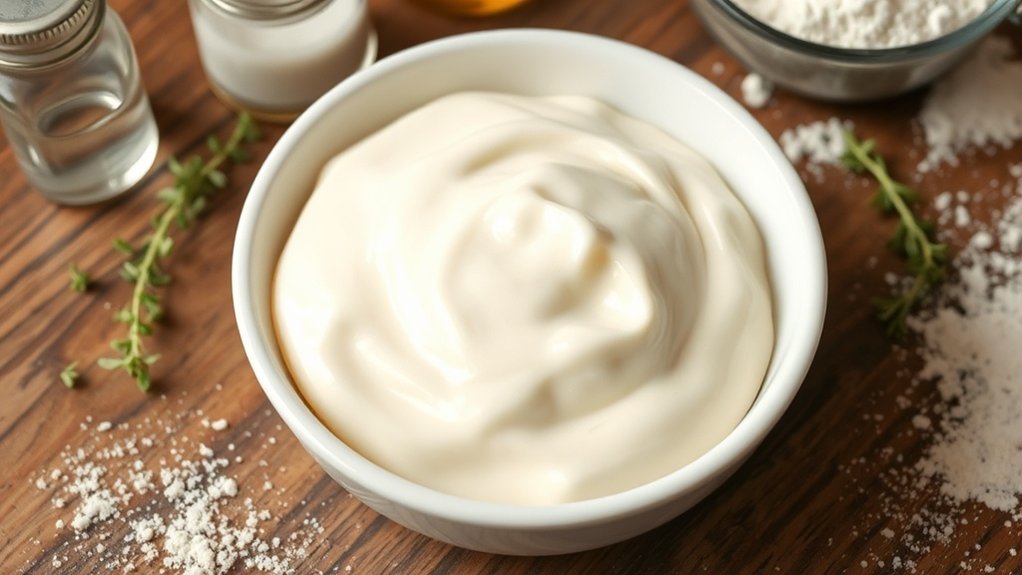
Among the ingredients requiring closer scrutiny, mono and diglycerides present the most ambiguity for vegan consumers. These emulsifiers can originate from either plant or animal sources, making their vegan status uncertain without explicit manufacturer disclosure.
While Crisco claims its mono and diglycerides are plant-derived, supporting its vegan classification, not all brands provide this transparency.
The presence of mono and diglycerides doesn’t automatically disqualify shortening from being vegan, but the lack of clear sourcing information creates legitimate concerns. You’ll need to contact manufacturers directly when labels don’t specify ingredient origins.
Many strict vegans remain skeptical of processed food claims regarding these additives. For informed purchasing decisions, prioritize brands that explicitly state their mono and diglycerides are plant-based or seek certified vegan products.
Does Palm Oil in Shortening Conflict With Vegan Ethics?
While palm oil remains technically vegan as a plant-derived ingredient, its inclusion in shortening products creates ethical dilemmas that extend beyond simple ingredient classification.
You’ll find that palm oil production drives deforestation and threatens endangered species like orangutans and tigers, conflicting with veganism’s environmental values. Brands like Crisco use palm oil in their shortening, forcing you to weigh ingredient composition against ecological impact.
If you’re committed to sustainable choices, look for RSPO-certified palm oil, which indicates more responsible sourcing practices.
However, many ethical vegans avoid palm oil entirely due to its environmental footprint. This debate underscores why you need transparency in ingredient sourcing and awareness of how your food choices affect biodiversity and local communities beyond animal welfare considerations.
Which Shortening Brands Are Confirmed Vegan?
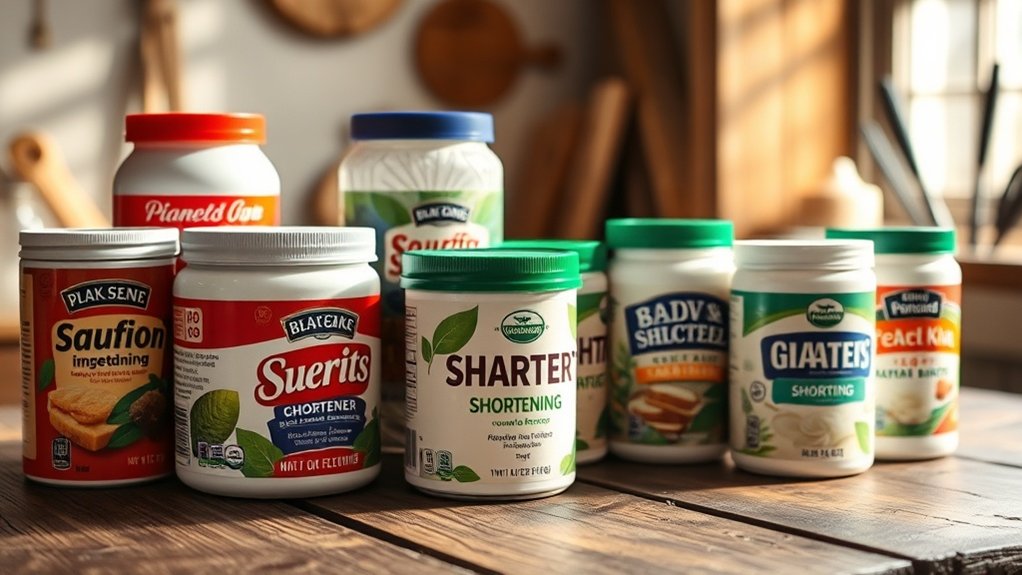
Several mainstream brands have formulated shortenings that contain exclusively plant-based ingredients, making them suitable for vegan diets.
Crisco All-Vegetable Shortening is confirmed vegan, containing no animal-derived ingredients and being dairy-free.
Spectrum Organic All-Vegetable Shortening offers another option, made from sustainably sourced palm and soybean oils.
Nutiva Organic Shortening derives from coconut oil and remains free from animal products.
Earth Balance Shortening provides a plant-based alternative that mimics traditional shortening’s texture while maintaining complete vegan compliance.
When selecting vegan shortening, you’ll want to verify labels for “Certified Vegan” designations.
Always validate the absence of animal-derived ingredients like lard or tallow.
Reading ingredient lists carefully guarantees you’re choosing products that align with vegan dietary principles and contain only plant-based fats.
Best Vegan Substitutes for Shortening in Baking
When you’re looking for vegan shortening alternatives, coconut oil stands out as the most chemically similar option due to its high saturated fat content, which creates the same tender, flaky texture in baked goods.
Like traditional shortening, coconut oil remains solid at room temperature and can be creamed with sugar or cut into flour using identical techniques.
Other plant-based fats offer varying properties: liquid oils like avocado will produce different textures, while nut butters add protein and alter both structure and flavor profiles in your final products.
Coconut Oil Properties
Coconut oil stands out as a top vegan shortening alternative due to its high saturated fat content—approximately 90% of its composition consists of saturated fats, primarily medium-chain triglycerides (MCTs).
Its melting point of 76°F (24°C) keeps it solid at room temperature, enabling you to achieve flaky pastries and tender baked goods comparable to traditional shortening.
You’ll find refined coconut oil offers a neutral taste for versatile baking, while unrefined versions impart a distinct coconut flavor.
You can substitute coconut oil for shortening using a 1:1 ratio, though specific recipes may require adjustments.
Additionally, coconut oil provides lauric acid, which demonstrates antimicrobial properties, offering potential nutritional advantages over conventional shortening that lacks inherent health benefits.
Plant-Based Fat Alternatives
While coconut oil offers excellent properties for vegan baking, you’ll find numerous plant-based alternatives that can effectively replace traditional shortening in your recipes.
All-vegetable shortening, like Crisco, maintains neutral flavor profiles and performs consistently across various applications. You can use refined coconut oil as a direct 1:1 replacement, providing similar textural results.
Vegan margarine, particularly non-hydrogenated varieties, delivers comparable moisture and texture to traditional shortening.
Avocado oil contributes healthy monounsaturated fats and subtle buttery notes, though it may slightly modify final textures.
Smooth nut butters—almond or cashew—add moisture and richness but will alter both consistency and flavor profiles.
Each alternative offers distinct nutritional benefits and functional properties, so you’ll want to select based on your specific recipe requirements and desired outcomes.
This article was reviewed by Nicole Anderson, RDN.