Last Updated: June 15, 2026
Is Italian Dressing Vegan
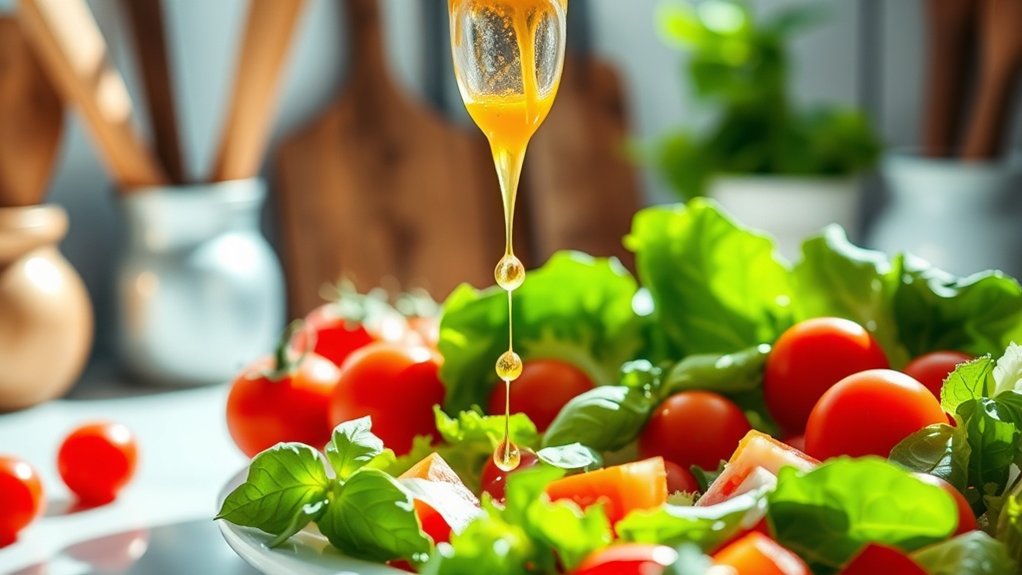
Italian dressing’s vegan status isn’t straightforward—you’ll need to check labels carefully. While homemade versions typically contain only plant-based ingredients like olive oil, vinegar, and herbs, many commercial brands sneak in animal-derived additives such as Parmesan cheese, buttermilk, honey, or egg-based emulsifiers. Some store-bought options from brands like Annie’s and Primal Kitchen are certified vegan, but mainstream varieties often include hidden dairy derivatives. Understanding which ingredients to watch for and how to identify truly plant-based options will help you make informed choices.
Contents
show
What Makes Italian Dressing Vegan or Not?
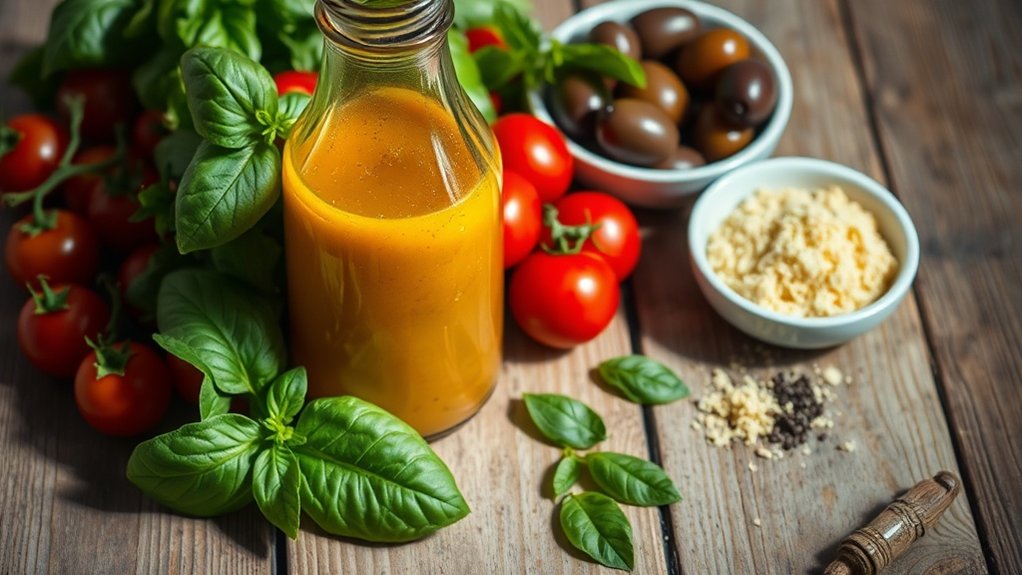
When evaluating whether Italian dressing is vegan, you’ll need to examine its core ingredients and potential animal-derived additives.
Traditional homemade versions typically contain only plant-based components: oil, vinegar, herbs, and spices, making them naturally vegan.
However, dressing variations in commercial products often include problematic ingredients like Parmesan cheese, which contains dairy, or honey as a sweetener.
Store-bought options require careful label scrutiny, as some manufacturers add emulsifiers or stabilizers derived from animal sources.
You’ll want to look for explicit “vegan” certifications on packaging to avoid these hidden animal products.
Creating your own Italian dressing provides the most reliable vegan option, allowing you to control every ingredient while checking out vegan substitutions for any traditionally non-vegan components found in commercial varieties.
Which Store-Bought Italian Dressings Are Vegan?
Finding vegan Italian dressings at your local grocery store doesn’t require guesswork when you know which brands consistently deliver plant-based options. Popular brands like Annie’s Balsamic Vinaigrette and Ken’s Steakhouse Lite Northern Italian typically exclude animal products, while Trader Joe’s and Whole Foods house brands emphasize natural, vegan-friendly formulations.
When conducting ingredient comparisons, you’ll notice specialty brands like Primal Kitchen and Tessemae’s specifically cater to plant-based consumers with certified options.
However, mainstream brands like Kraft and Wish-Bone often incorporate milk or cheese derivatives, making them unsuitable for vegan diets. You’ll want to scrutinize labels carefully, avoiding products with “creamy” descriptors that frequently indicate dairy content.
Look for plant-based certifications and examine ingredient lists thoroughly—even within the same brand, formulations can vary greatly between product lines.
Non-Vegan Ingredients Hiding in Italian Dressing Labels
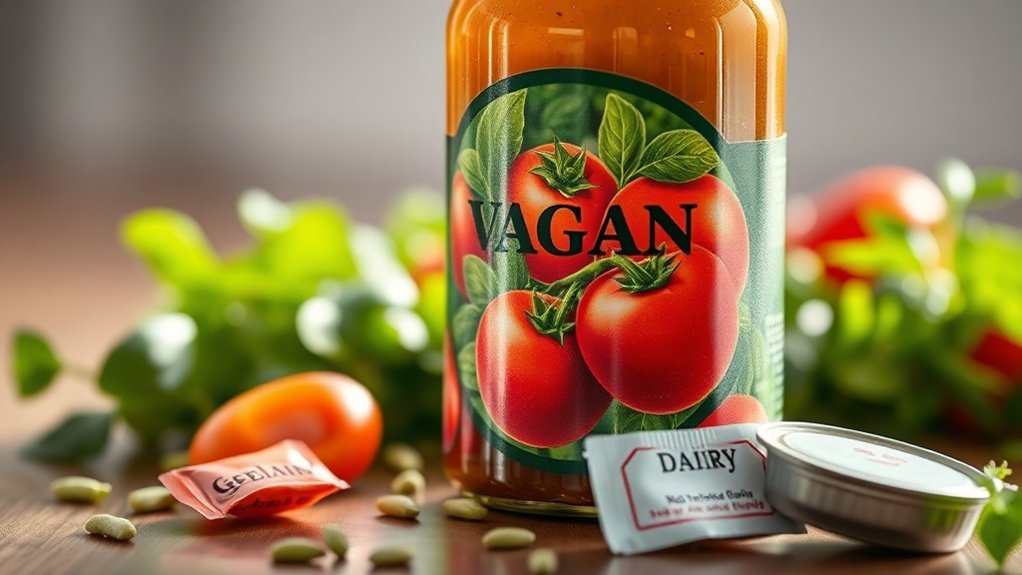
Despite your careful selection of “Italian” labeled dressings, you’re likely consuming animal products you didn’t know were there. Hidden ingredients pose significant challenges for vegans traversing store-bought options.
Buttermilk and Parmesan cheese frequently appear in ingredient lists, while honey serves as a common sweetener. Egg-based emulsifiers often lurk behind vague terms like “natural flavors,” compromising ingredient transparency.
Xanthan gum warrants particular attention, as it’s occasionally derived from whey rather than plant sources. Preservatives and flavor boosters may contain animal-derived compounds that aren’t immediately obvious.
The lack of standardized labeling makes identifying these ingredients difficult without thorough examination. You’ll need to scrutinize every component listed, recognizing that manufacturers aren’t required to disclose processing methods or specific sources of ambiguous additives.
How to Make Vegan Italian Dressing at Home
Creating your own vegan Italian dressing eliminates uncertainty about hidden animal products while giving you complete control over ingredient quality.
Whisk together extra virgin olive oil, white wine vinegar, lemon juice, maple syrup, Dijon mustard, salt, pepper, and nutritional yeast until emulsified. For flavor improvements, incorporate one clove of fresh garlic and dried Italian herbs to achieve authentic taste.
Allow your dressing to rest for 30 minutes after mixing so flavors can meld properly. Store it in an airtight container in the refrigerator for up to one week.
These homemade variations let you adjust vinegar levels and herbs according to your preferences, creating a balanced, zesty dressing suitable for salads and marinades while making certain complete nutritional transparency.
This article was reviewed by Nicole Anderson, RDN.