Last Updated: June 6, 2026
Is Cream of Tartar Vegan
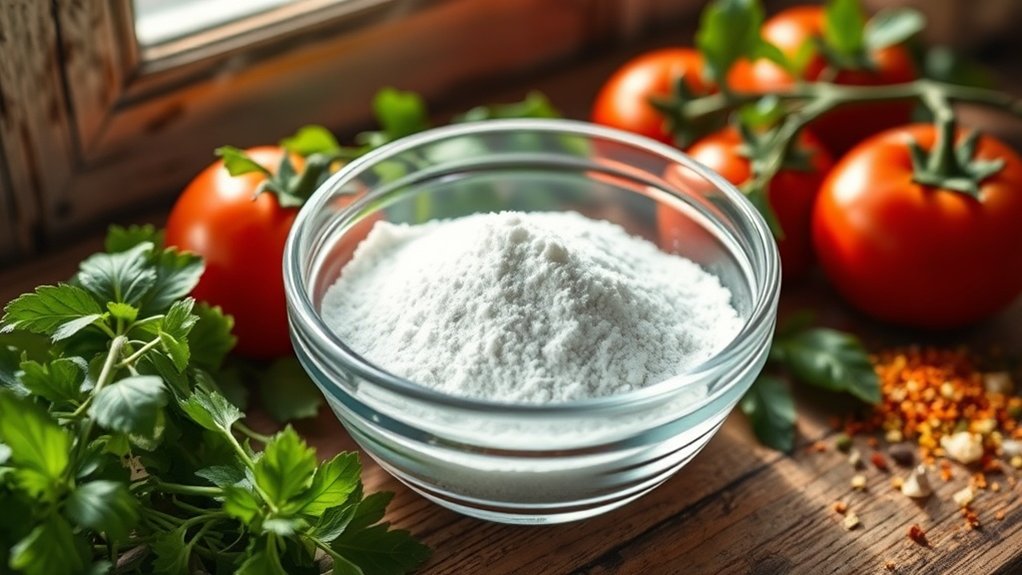
Yes, cream of tartar is completely vegan. You’re using a white powdery substance derived from potassium bitartrate, which forms naturally as crystals during wine fermentation—a process involving only grapes and yeast. There’s no animal intervention or dairy content despite its misleading name. You’ll find it’s particularly valuable in plant-based baking for stabilizing aquafaba meringues and activating baking soda as a leavening agent. Understanding how this winemaking byproduct functions in your vegan recipes can improve your culinary results considerably.
Contents
show
Is Cream of Tartar Vegan?
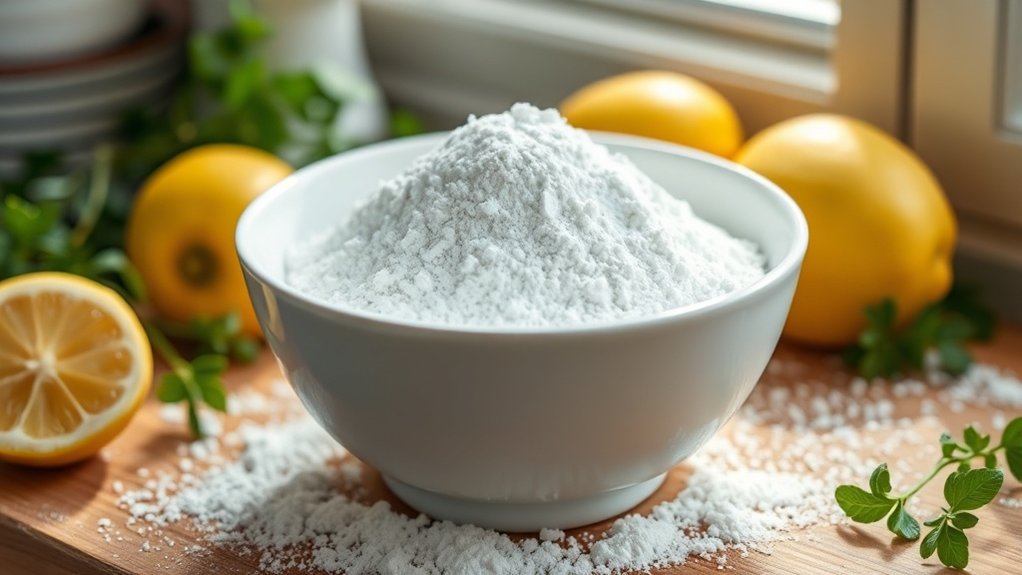
Despite its misleading name, cream of tartar is entirely vegan and contains no dairy, animal products, or actual cream. This white, powdery substance derives from potassium bitartrate, a crystalline byproduct formed during the winemaking process when grape juice ferments.
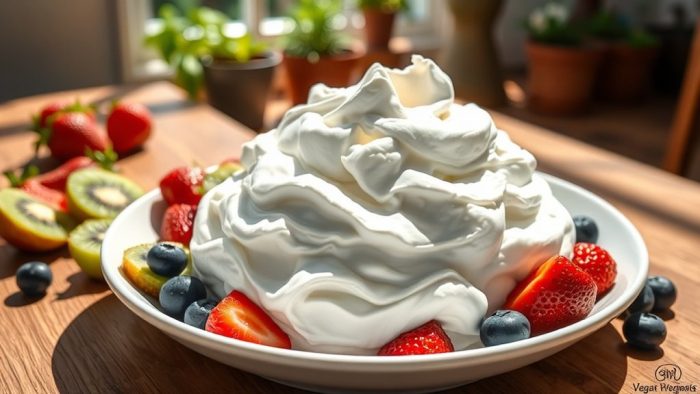
You’ll find cream of tartar uses particularly valuable in vegan baking, where it serves multiple functions. It stabilizes whipped aquafaba (chickpea water) to create egg-free meringues, prevents sugar crystallization in frostings and candies, and activates baking soda for leavening.
When combined with baking soda, it creates a homemade baking powder alternative.
No commercially available brands contain non-vegan ingredients, making it a reliable pantry staple for plant-based diets. Its acidic properties help achieve fluffy textures and structural integrity in vegan recipes without compromising your dietary principles.
Why Winemaking Byproducts Are Plant-Based
When grapes ferment inside oak barrels, they naturally deposit tartaric acid crystals on the barrel walls—a purely botanical process that requires no animal intervention.
This plant fermentation transforms grape sugars into wine while simultaneously creating potassium bitartrate, the chemical compound you know as cream of tartar. The entire process relies exclusively on grape material, yeast, and time—nothing else.
From a byproduct sustainability perspective, harvesting these crystals represents an environmentally responsible practice. Winemakers collect what would otherwise remain unused, transforming it into a valuable culinary ingredient.
Since grapes themselves are vegan and the fermentation involves only plant-based materials, every stage maintains its botanical integrity. You’re fundamentally using a refined form of grape crystals when you bake with cream of tartar.
Which Cream of Tartar Brands Are Certified Vegan?

When conducting brand comparisons, you’ll find most pure cream of tartar is inherently vegan since it’s derived exclusively from grape byproducts.
However, cross-contamination remains a concern in facilities processing non-vegan products.
Always verify vegan certification on labels, as not all manufacturers explicitly state their vegan status.
This evidence-based approach guarantees your ingredient sourcing supports your dietary commitments while maintaining product safety.
This article was reviewed by Nicole Anderson, RDN.