Last Updated: March 23, 2026
Is Barilla Pasta Vegan
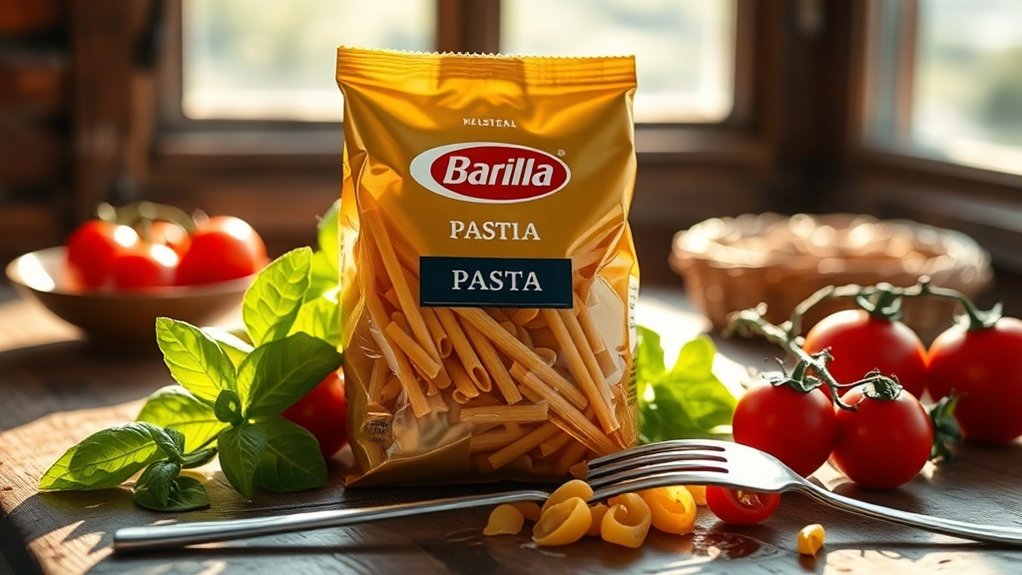
Most Barilla pasta is vegan-friendly since their classic dried varieties contain only durum wheat semolina and water. You’ll find that traditional shapes like spaghetti, penne, and rotini meet plant-based requirements. However, you should avoid their tortellini line, which contains eggs and cheese. Their gluten-free and legume-based options are also vegan, though Protein Plus pasta carries cross-contamination warnings for eggs and milk. Always check the ingredient label and “Contains” statement on packaging to verify current formulations and understand potential allergen concerns for your specific dietary needs.
Contents
show
Which Barilla Pasta Products Are Vegan?
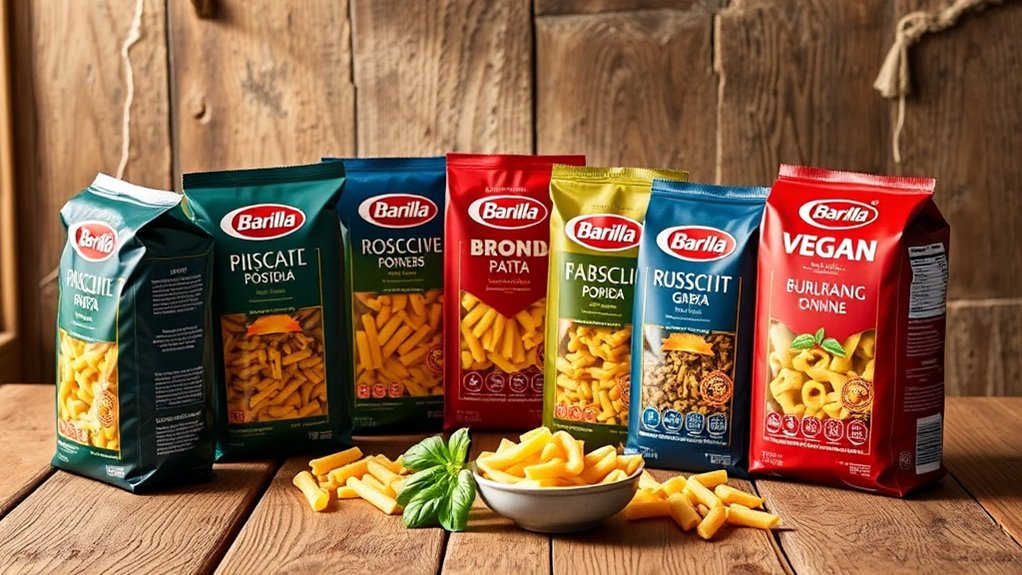
Most Barilla pasta varieties are vegan-friendly, made exclusively from durum wheat semolina and water. You’ll find that classic shapes like spaghetti, penne, and rotini contain no animal-derived ingredients, making them excellent foundations for vegan meal ideas.
Barilla’s Protein Plus line offers additional plant-based protein through legumes and grains while maintaining vegan status. Their gluten-free options are certified vegan and manufactured on dedicated equipment to prevent cross-contamination.
However, you should avoid Barilla’s tortellini products, which contain eggs and cheese.
Always verify ingredients on product packaging, as formulations may vary by region and product line. Some specialty pasta varieties might include eggs or milk, so checking labels guarantees you’re selecting truly vegan Barilla pasta varieties for your plant-based diet.
Which Barilla Products Contain Eggs or Dairy?
While many Barilla products fit smoothly into a vegan diet, several varieties contain animal-derived ingredients that require your attention.
Barilla’s Tortellini line contains egg pasta and cheese, making it unsuitable for plant-based eating. If you’re seeking tortellini alternatives, you’ll need to investigate other brands offering plant-based filled pasta options.
The Protein Plus line, while primarily plant-based, is processed on shared equipment with eggs and milk. This cross-contamination concern matters if you’re a strict vegan.
When shopping, you’ll find that most dried pasta varieties remain safe choices, but checking labels is essential.
For maintaining a vegan lifestyle with Barilla products, focus on their traditional dried pasta lines and consider egg-free recipes that showcase these plant-based options.
Always verify ingredient lists before purchasing.
Are Barilla’s Gluten-Free and Legume Pastas Vegan?
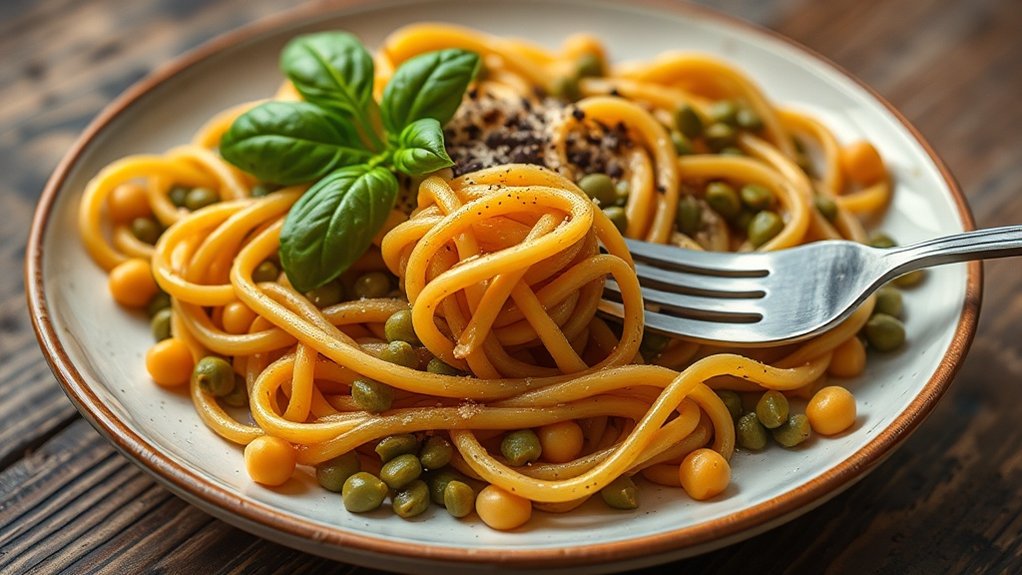
If you’re looking into Barilla’s specialty pasta lines, you’ll find their gluten-free and legume-based options align well with vegan dietary requirements. These products are typically crafted from rice flour, corn flour, chickpeas, and red lentils—all plant-based ingredients without animal derivatives.
Key advantages of these vegan-friendly options include:
- Gluten free benefits extend beyond celiac management, offering easily digestible alternatives for sensitive stomachs.
- Legume nutrition provides substantial plant-based protein, with chickpea and lentil varieties delivering 13-15 grams per serving.
- Separate processing equipment prevents cross-contamination with non-vegan ingredients.
- Transparent ingredient labeling enables confident product selection.
You should still verify individual product labels, as formulations can vary. Barilla’s commitment to clear labeling guarantees you’ll identify suitable options that meet both your vegan and gluten-free requirements while maximizing nutritional value.
Is Barilla Protein Plus Pasta Vegan-Friendly?
Barilla’s Protein Plus pasta stands out as a vegan-friendly option that delivers improved nutritional value through its legume-and-grain blend. You’ll find it’s made entirely from plant-based ingredients without eggs or dairy, making it suitable for your vegan lifestyle.
The nutritional benefits include improved protein content, which addresses a common concern for those following plant-based diets.
However, you should be aware of potential cross-contamination risks, as this pasta’s processed on equipment shared with non-vegan products. If you’re strictly vegan, check the packaging carefully before purchasing.
For cooking tips, treat this pasta like traditional varieties—use plenty of salted water and test for doneness slightly before the package directions suggest, as the legume content can affect texture.
Always verify current ingredients on the label.
What Ingredients Make Barilla Pasta Non-Vegan?
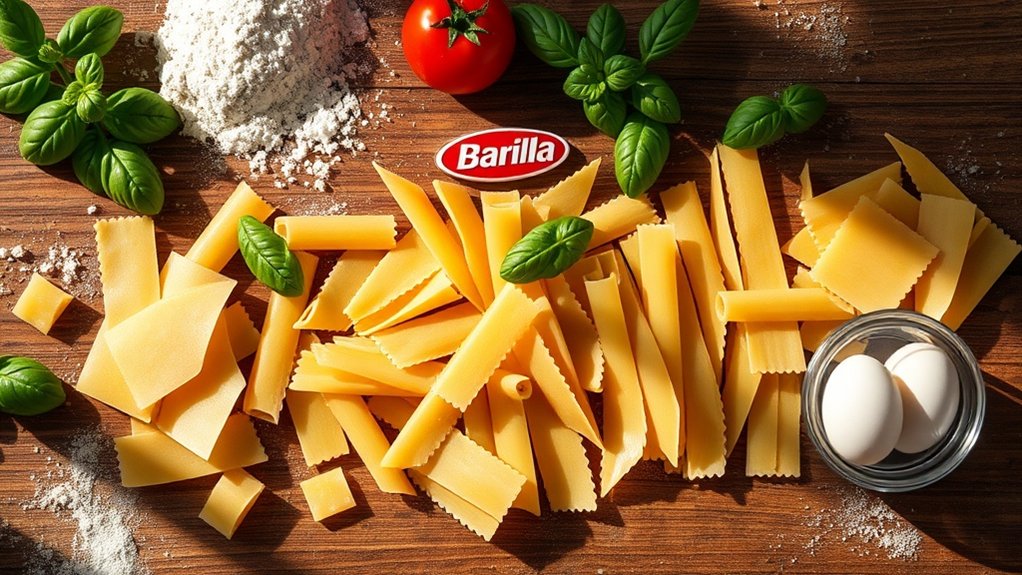
Not all Barilla pasta products share the vegan-friendly profile of the Protein Plus line. When evaluating Barilla ingredient concerns, you’ll find several components that compromise vegan status:
- Egg pasta: Tortellini and similar fresh pasta varieties contain eggs as a primary ingredient.
- Cheese fillings: Stuffed pasta products incorporate dairy-based cheeses.
- Milk ingredients: Certain formulations include milk solids or whey.
- Cross-contamination: Equipment processing creates potential exposure to eggs and milk.
You must scrutinize ingredient labels carefully to identify these non-vegan components.
Even products without direct animal ingredients may carry allergen warnings indicating shared equipment with dairy or eggs.
For strict vegans seeking vegan pasta alternatives, certified plant-based options eliminate these concerns.
Understanding these ingredient distinctions helps you make informed choices aligned with your dietary principles.
If you’re a strict vegan, you’ll want to know that Barilla’s Protein Plus line is processed on equipment that also handles eggs and milk, creating potential cross-contamination risks.
In contrast, certified vegan products must meet stringent equipment standards that prohibit shared processing with animal-derived ingredients.
Barilla’s gluten-free and legume-based pastas are processed on separate equipment, making them safer choices if you’re concerned about trace egg exposure.
Protein Plus Cross-Contamination
While Barilla’s Protein Plus pasta contains no animal-derived ingredients in its formulation, the company processes this product line on shared equipment that also handles items containing eggs and milk.
This shared manufacturing setup creates potential cross-contamination risks that you’ll need to take into account if you’re following a strict vegan diet.
Barilla demonstrates vegan transparency through clear labeling practices, but protein concerns extend beyond ingredients alone.
Here’s what you should know:
- Shared equipment processes both vegan and non-vegan products
- Cross-contamination occurs during manufacturing of Barilla’s diverse product range
- Strict vegans may prefer certified vegan alternatives processed on dedicated equipment
- Label information provides allergen and processing details for informed decisions
If you’re seeking absolute certainty about avoiding animal product traces, you’ll want to investigate pasta brands that guarantee separate processing facilities.
Certified Vegan Equipment Standards
Understanding equipment processing becomes particularly important when you’re evaluating Barilla’s certified vegan products versus their standard pasta lines.
Barilla maintains distinct certified vegan practices for specific products, using dedicated equipment that prevents cross-contamination with animal-derived ingredients. This separation guarantees that certified vegan pasta never contacts surfaces or machinery that process eggs or dairy products.
However, their Protein Plus line presents a different scenario. While the ingredients remain plant-based, these products run on shared equipment that may also handle eggs and milk.
The equipment sanitation protocols between production runs meet food safety standards, but trace amounts of allergens could remain. If you maintain strict vegan standards or have severe allergies, you’ll want to prioritize Barilla’s explicitly certified vegan products over those manufactured on shared lines.
Gluten-Free Separate Processing
Because Barilla processes its gluten-free pasta lines in completely separate facilities, you’ll find these products offer dual advantages for both allergen-conscious and vegan consumers. This separate processing eliminates cross-contamination risks from both gluten and animal-derived ingredients like eggs and dairy.
The gluten free benefits extend beyond celiac disease management:
- Certified gluten-free status guarantees no contact with egg or dairy-containing equipment
- Chickpea and red lentil varieties provide plant-based protein while avoiding animal ingredients
- Dedicated production lines prevent the cross-contamination common in traditional pasta manufacturing
- Clear allergen labeling helps you verify vegan compatibility quickly
You should still review individual product labels, as manufacturing practices can change.
Barilla’s transparency in separate processing standards makes their gluten-free range particularly reliable for strict vegans seeking pasta options.
Does Cross-Contamination Disqualify Barilla for Strict Vegans?
Cross-contamination poses a legitimate concern for strict vegans evaluating Barilla pasta products. While most dried pasta varieties contain only plant-based ingredients, cross-contamination risks emerge when products share equipment with non-vegan items like egg-and-cheese tortellini.
Products such as Protein Plus may be processed on shared lines, potentially exposing them to animal-derived ingredients.
However, you’ll find that certified vegan Barilla products undergo separate processing, eliminating cross-contact concerns. The brand’s vegan labeling transparency allows you to make informed decisions by checking allergen statements and certifications on packaging.
For strict vegans, certified products provide the safest choice. If you’re moderately flexible, standard dried pasta poses minimal risk. Always review individual product labels to align with your dietary boundaries.
Where to Find Allergen Information on Barilla Packaging?
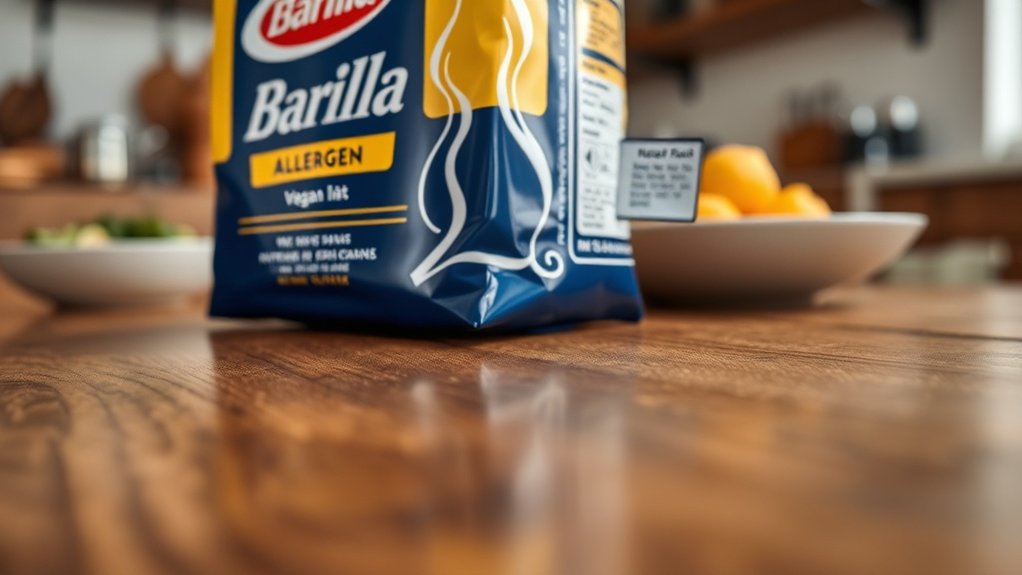
Locating allergen details on Barilla packaging requires checking two key areas: the ingredient list and the dedicated “Contains” statement on the back panel. This packaging transparency guarantees you’ll identify potential allergens like eggs, milk, or gluten before purchase.
For thorough allergen information, review:
- Ingredient list: Complete disclosure of all components, reflecting Barilla’s ingredient sourcing practices.
- “Contains” statement: Highlights major allergens present in the product.
- Cross-contamination warnings: Specifies if products share equipment with allergens.
- Special certifications: Indicates Kosher or gluten-free status, with dedicated equipment processing noted.
Barilla’s gluten-free line particularly benefits from dedicated processing facilities, minimizing cross-contact risks.
As a nutritionally-focused consumer, always examine the specific product label rather than relying on general brand information, as formulations and processing methods can vary between product lines.
Are Barilla’s Specialty Shapes and Whole Grain Options Vegan?
Most Barilla specialty shapes and whole grain varieties maintain their vegan-friendly status through straightforward ingredient profiles. When you’re selecting farfalle, fusilli, or other specialty shapes, you’ll find they typically contain only durum wheat semolina and water—completely plant-based ingredients suitable for vegan diets.
Barilla’s whole grain options follow similar formulation standards, incorporating whole grain durum wheat, water, and salt without animal-derived additives. These products deliver additional fiber and nutrients while remaining vegan-compliant.
However, you must exercise caution with filled pasta varieties. Tortellini and similar specialty products contain eggs and cheese, disqualifying them from vegan classification.
Additionally, Barilla’s gluten-free range—including chickpea and red lentil pasta—offers vegan alternatives processed separately to prevent cross-contamination. Always verify ingredient lists on individual packages to confirm vegan status.
What Are Certified Vegan Alternatives to Barilla?
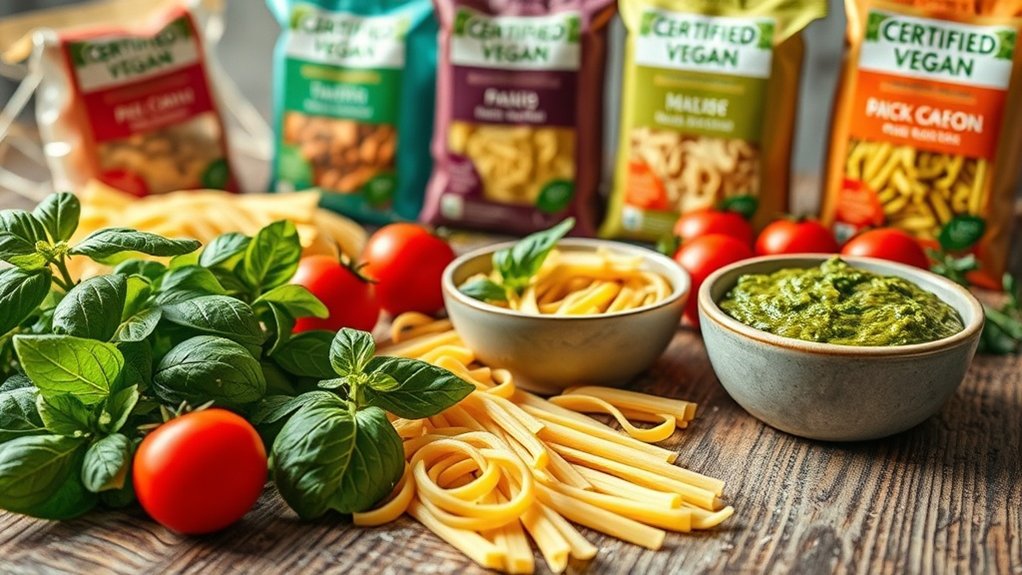
While Barilla offers numerous vegan-friendly options, you’ll find several certified vegan pasta brands that provide explicit plant-based guarantees and better nutritional profiles.
These alternative ingredients deliver improved protein and fiber content while confirming zero cross-contamination with animal products.
Top Certified Vegan Pasta Brands:
- Banza – Chickpea-based pasta offering high protein and fiber content
- GoodWheat – Contains 9 grams of plant-based protein per serving
- Look into Cuisine – Organic lentil and chickpea pasta with gluten-free certification
- Tolerant Foods – Red lentil pasta providing gluten-free, high-protein nutrition
These brands specifically cater to strict vegans by guaranteeing their manufacturing processes prevent cross-contamination with non-vegan ingredients.
You’ll benefit from legume-based formulations that greatly outperform traditional wheat pasta in protein density, making them nutritionally superior choices for plant-based diets.
This article was reviewed by Nicole Anderson, RDN.