Last Updated: March 19, 2026
Is Mushroom Vegan
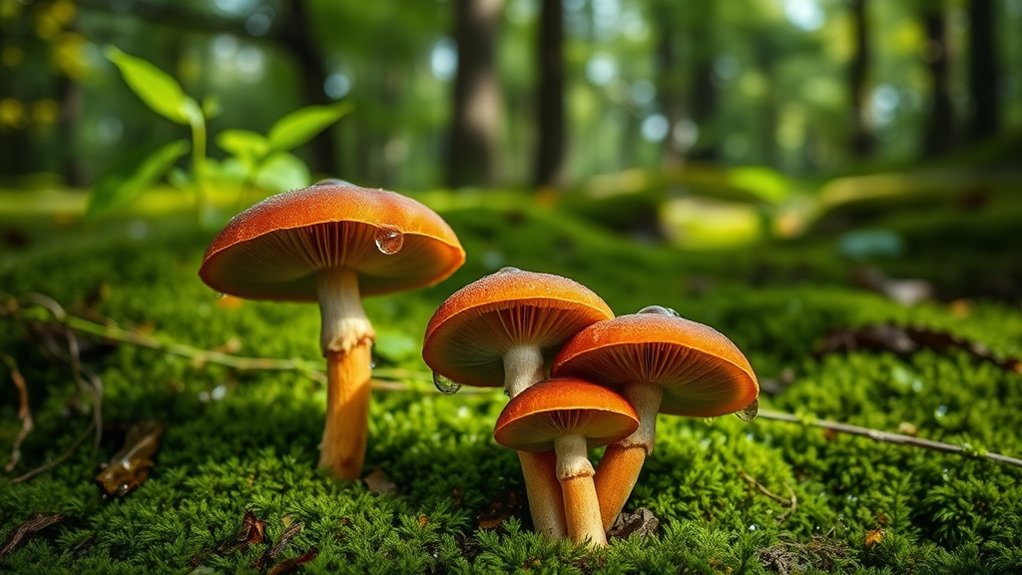
Yes, mushrooms are completely vegan because they’re fungi, not animals, and contain no animal-derived compounds in their biological structure. They lack nervous systems and can’t feel pain, making them ethically suitable for plant-based diets. You’ll find they’re created on plant-based substrates like straw or sawdust, though some farms may use animal manure as fertilizer. Mushrooms provide essential nutrients including B vitamins, vitamin D₂, selenium, and complete proteins with all amino acids. Understanding their unique nutritional profile and cultivation practices will help you maximize their benefits in your vegan lifestyle.
Contents
show
Are Mushrooms Plants or Fungi? Understanding What They Actually Are
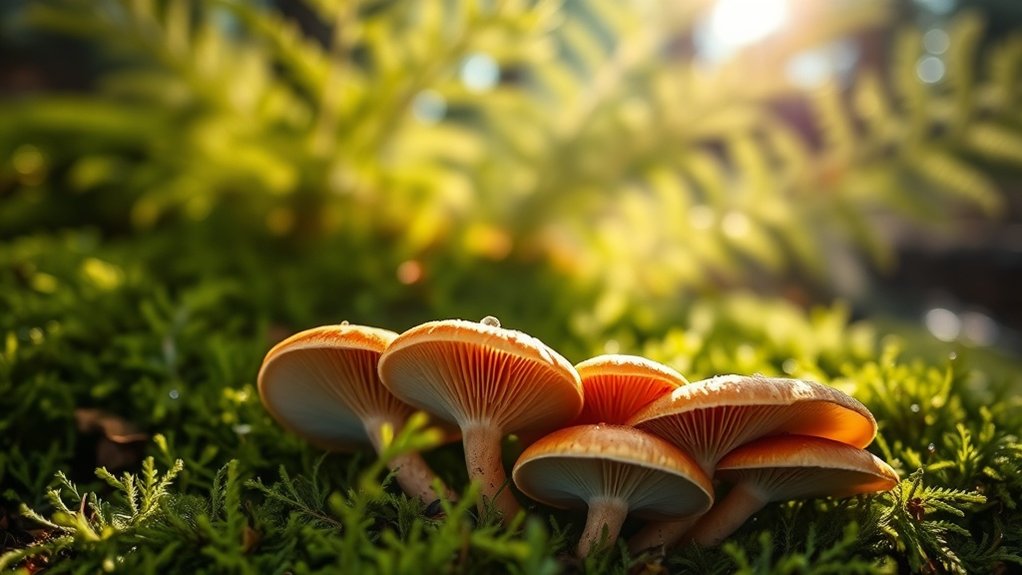
Mushrooms occupy a distinct taxonomic position that often surprises those unfamiliar with biological classification systems. They’re neither plants nor animals—they belong to the Fungi kingdom.
Unlike plants, they lack chlorophyll and can’t photosynthesize, instead absorbing nutrients from decomposing organic matter. Curiously, their DNA structure more closely resembles animals than plants, and they reproduce through spores rather than seeds.
This biological distinctiveness raises questions about dietary classifications: are mushrooms vegan? Since veganism excludes animal products but mushrooms aren’t animals, the answer is straightforward.
Does vegan eat mushroom? Yes—despite their genetic similarities to animals, mushrooms remain entirely plant-based in dietary contexts. They’re fungi that derive from decomposed organic matter, containing no animal tissue, making them perfectly acceptable for vegan diets.
Are Mushrooms Vegan? Yes, and Here’s Why
The classification of fungi as vegan-friendly foods stems directly from their biological nature and production methods. You’ll find mushrooms qualify as vegan because they’re neither plants nor animals—they belong to a distinct taxonomic kingdom that doesn’t involve animal exploitation.
You can incorporate mushrooms into your vegan diet while obtaining essential nutrients including B vitamins, vitamin D, selenium, and potassium. Their cultivation using agricultural waste demonstrates superior environmental sustainability compared to animal farming systems.
When you’re seeking meat alternatives, mushrooms like shiitakes and portabellos provide umami flavor profiles and substantial textures that replicate meat characteristics.
This nutritional density, combined with ethical production methods that align with veganism’s core principles of compassion and environmental stewardship, makes mushrooms an excellent component of plant-based dietary patterns.
Do Mushroom Growing Methods Ever Use Animal Products?
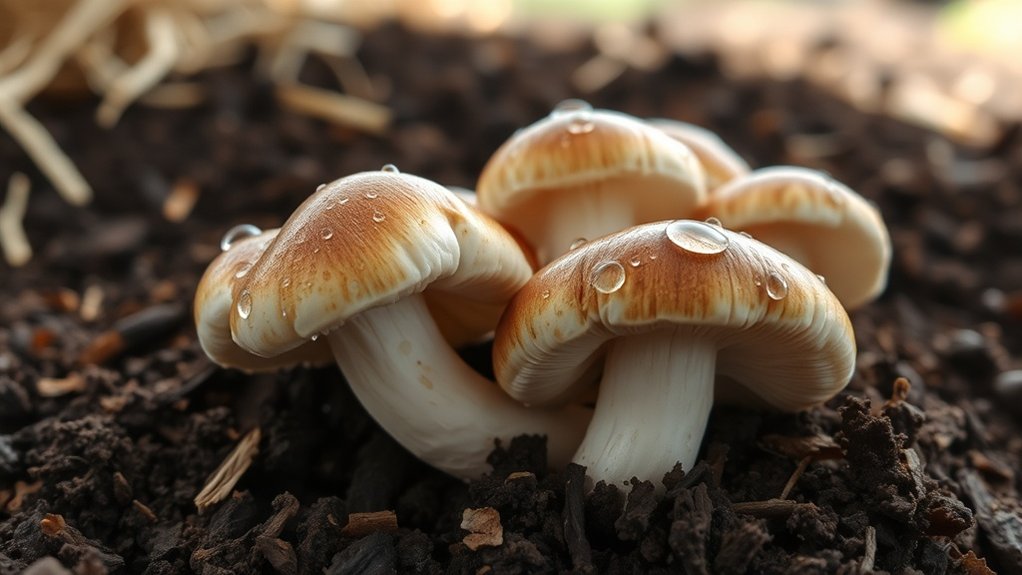
While most mushroom cultivation relies on plant-based substrates like straw, sawdust, or wood chips, some commercial growing operations incorporate animal-derived materials into their production systems.
You’ll find that certain farms use chicken litter or manure as nitrogen-rich fertilizers to improve substrate fertility and mushroom yields. These animal-based amendments provide essential nutrients that promote mycelial growth and fruiting body development.
Cross-contamination can occur in mixed farming systems where both plant and animal substrates are processed.
If you’re adhering to strict vegan principles, you’ll need to investigate cultivation practices before purchasing. Organic certification often indicates plant-based growing methods, though it’s not guaranteed.
Contact producers directly or seek mushrooms labeled as “vegan-certified” to verify alignment with your dietary requirements and ethical standards.
Vegan Protein, Vitamin D, and Minerals: What Mushrooms Provide
Beyond their culinary versatility, fungi deliver exceptional nutritional density for plant-based diets, particularly in nutrients often challenging to obtain from vegan sources.
Key Nutritional Contributions:
- Vitamin D synthesis – You’ll find mushrooms are distinctly photoreactive, converting ergosterol to bioavailable vitamin D₂ through UV exposure, addressing a common vegan deficiency without supplementation.
- Complete protein profile – They provide all nine essential amino acids necessary for muscle synthesis and tissue repair, though you’ll need larger quantities compared to legumes for adequate protein intake.
- Trace mineral density – You’re obtaining selenium for antioxidant defense, potassium for cardiovascular function, copper for iron metabolism, and bioavailable iron itself.
Their B-vitamin complex (riboflavin, niacin, pantothenic acid) supports mitochondrial energy production and neurological function, reducing your reliance on fortified foods or supplements.
Which Mushroom Varieties Pack the Most Vegan Nutrition?
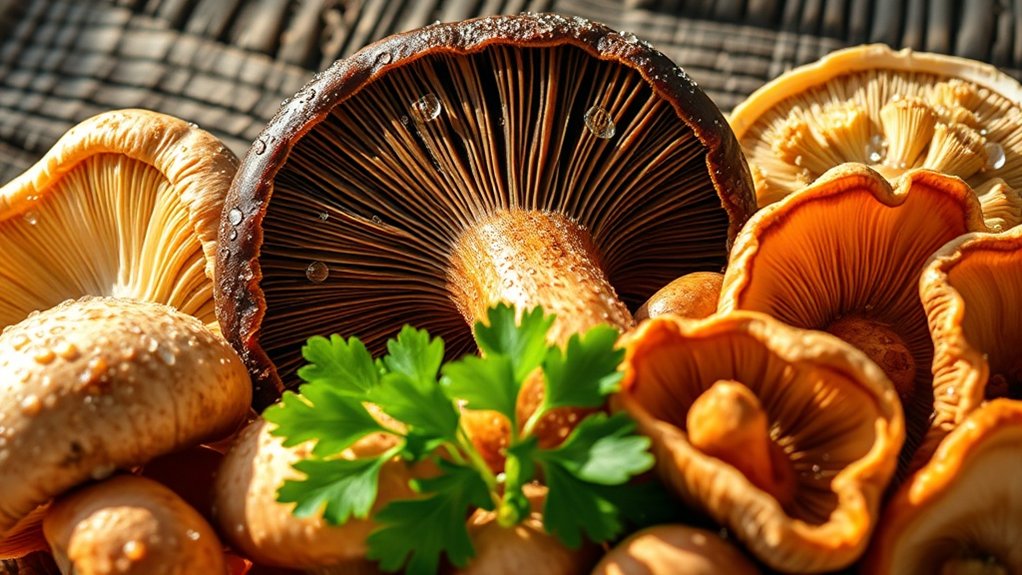
How dramatically does nutritional density vary across fungal species?
Shiitake and maitake mushrooms deliver concentrated B vitamins—particularly riboflavin (B2) and niacin (B3)—essential for optimal energy metabolism in your vegan diet.
Portobello varieties provide significant selenium content, an antioxidant mineral supporting immune function and cellular protection.
You’ll find oyster mushrooms offer notable protein density at approximately 3 grams per 100 grams, making them effective meat alternatives.
Chanterelle mushrooms stand out for their vitamin D content, especially when sun-exposed, representing a rare plant-based source of this vital nutrient.
White button mushrooms, while lower in calories, contribute substantial potassium for blood pressure regulation and muscle function.
Each variety presents distinct micronutrient profiles, allowing you to strategically diversify your fungal intake for thorough nutritional coverage.
Can Mushrooms Replace Meat in Your Vegan Meals?
Understanding these nutritional profiles naturally leads to the practical question of functional meat replacement. You’ll find mushrooms excel as meat substitutes through their umami flavor and substantial texture, particularly when you’re preparing plant-based meals.
Three ways mushrooms effectively replace meat:
- Textural mimicry – Portobello and shiitake varieties develop meat-like consistency when grilled or sautéed, providing physical satisfaction in dishes like burgers and stir-fries.
- Nutritional contribution – They deliver essential amino acids, B vitamins, and minerals while maintaining low calorie and fat content with high fiber.
- Culinary versatility – Cooking improves their savory profile and eliminates potential harmful compounds, confirming both safety and palatability.
Their combination of nutritional density and sensory properties makes mushrooms a scientifically sound choice for replacing animal proteins in your vegan diet.
Are Mushrooms Really 50% Genetically Similar to Humans?
You’ve likely encountered the claim that mushrooms share 50% of their DNA with humans, but this figure requires careful interpretation within proper biological context.
This genetic similarity refers to conserved sequences in fundamental cellular processes like respiration and protein synthesis, not overall genome comparisons.
Understanding this distinction clarifies why fungi occupy a unique taxonomic position between plants and animals, though it doesn’t affect their classification as a plant-based food source in vegan diets.
Understanding Genetic Similarity Claims
What’s the truth behind the claim that mushrooms share 50% of their DNA with humans? This figure oversimplifies complex evolutionary biology. While fungi and animals branched from a common ancestor approximately 1.5 billion years ago, genetic similarity doesn’t indicate functional equivalence.
Here’s what you need to understand:
- Conserved genes across species – Certain fundamental genes appear throughout different life forms, but this reflects shared evolutionary history rather than biological similarity.
- Structural differences matter – Mushrooms contain chitin in their cell walls, a feature absent in humans but present in arthropod exoskeletons.
- Kingdom classification is distinct – Fungi possess fundamentally different genetic structures from both plants and animals.
The genetic similarity claim doesn’t affect mushrooms’ vegan status, which depends on their biological classification as fungi, not genetic percentages.
DNA Comparison: Fungi vs. Humans
The 50% genetic similarity claim requires scientific context to understand its actual meaning.
You’ll find that mushrooms, belonging to the Fungi kingdom, share approximately 50% of their DNA with humans due to common evolutionary ancestors. However, this genetic overlap doesn’t indicate closeness in dietary classification.
Unlike plants, fungi lack chlorophyll and obtain nutrients through decomposition rather than photosynthesis. Their cell walls contain chitin, resembling animal cell composition more than plant cellulose. Additionally, their metabolic and reproductive processes align more closely with animals than plants.
Despite these biological similarities, this genetic relationship carries zero nutritional implications for your diet. Mushrooms remain classified as non-animal foods, maintaining their status in plant-based dietary frameworks regardless of shared DNA sequences.
Why Mushrooms Don’t Feel Pain Despite Having No Roots
While mushrooms lack traditional root systems, their inability to feel pain stems from fundamental biological limitations rather than their structural anatomy. You should understand that pain perception requires specific biological machinery that fungi simply don’t possess.
Key reasons mushrooms can’t experience pain:
- Absence of neural infrastructure – They lack neurons, synapses, and centralized processing centers necessary for nociception (pain detection) and conscious awareness.
- Biochemical signaling only – Their environmental responses operate through chemical cascades without subjective experience or suffering.
- No nociceptors present – Unlike animals with specialized pain receptors, fungi possess no cellular structures capable of detecting or transmitting pain signals.
Their mycelial networks facilitate nutrient exchange and communication through molecular signals, not sensory experiences. This fundamental distinction confirms mushrooms don’t suffer when harvested.
This article was reviewed by Nicole Anderson, RDN.