Last Updated: May 10, 2026
Is Gatorade Vegan
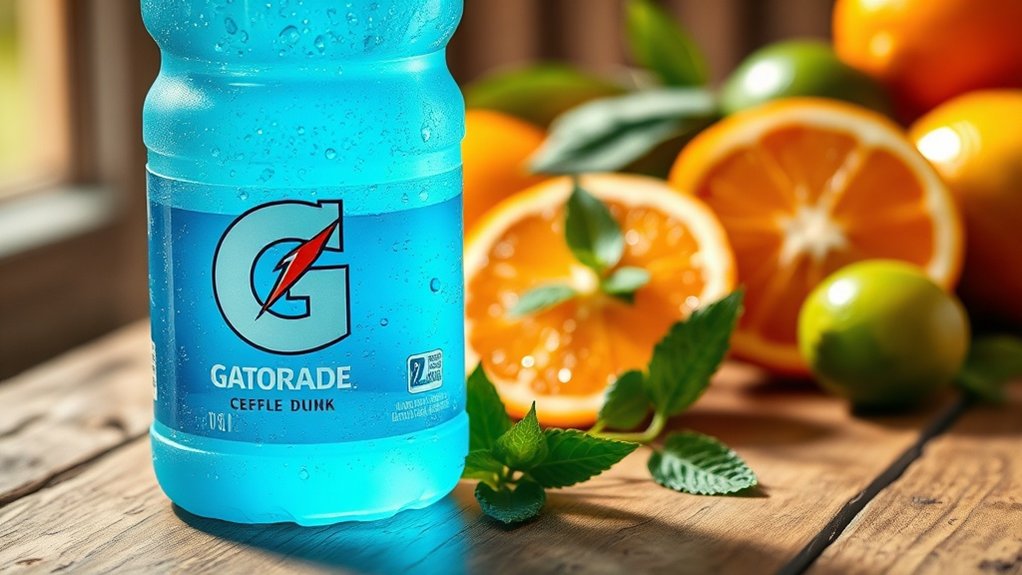
Most Gatorade Thirst Quencher varieties don’t contain direct animal-derived ingredients like dairy or gelatin, making them technically vegan-friendly. However, you’ll face ethical gray areas: the cane sugar may be processed using bone char filtration, and the “natural flavors” lack transparency regarding plant versus animal sourcing. Gatorade’s Recover line explicitly contains whey protein isolate, disqualifying it from vegan status. Your strict interpretation of veganism will determine acceptability, as ingredient sourcing methods and synthetic colorant testing protocols complicate straightforward classification.
Contents
show
Is Gatorade Vegan? The Answer for Every Product Line
When evaluating Gatorade’s vegan status, you’ll find the answer varies considerably across product lines. Through thorough Gatorade ingredient analysis, most Thirst Quencher varieties—including Fruit Punch and Lemon-Lime—contain no animal-derived components, earning PETA’s vegan-friendly designation.
However, Gatorade Recover formulations incorporate whey protein isolate, making them incompatible with vegan protocols.
Two significant concerns affect vegan athlete experiences with this beverage. First, U.S. sugar processing may involve bone char filtration, creating ethical conflicts for strict vegans.
Second, “natural flavors” listed on ingredient panels remain ambiguous—these compounds can originate from plant or animal sources without specific disclosure requirements.
For athletes requiring certainty in their hydration strategy, alternatives like NOOMA and Kinderlyte offer guaranteed vegan formulations with transparent ingredient sourcing and comparable electrolyte profiles.
What’s Actually in Gatorade Thirst Quencher?
Six primary ingredients form the foundation of Gatorade Thirst Quencher‘s formulation: water, sucrose (sugar), dextrose (glucose), citric acid, natural and artificial flavors, and electrolyte compounds.
The electrolyte profile includes:
- Sodium citrate for osmotic balance
- Monopotassium phosphate for potassium replenishment
- Sodium chloride for fluid retention
- Blue 1 synthetic colorant in select varieties
- Natural flavors with undisclosed botanical or animal derivatives
Ingredient sourcing presents vegan concerns. U.S. sugar processing may involve bone char filtration, though manufacturers don’t disclose refining methods.
Flavor transparency remains problematic—”natural flavors” designation permits both plant and animal-derived compounds without specification requirements.
The electrolyte additives serve physiological rehydration purposes, replacing minerals depleted through perspiration.
However, the ambiguous nature of flavor components and potential animal-based sugar processing compromises definitive vegan classification for this sports beverage formulation.
Does Bone Char in Sugar Make Gatorade Non-Vegan?
The sugar controversy centers on refinement methodology rather than final molecular composition. When you’re evaluating bone char implications, understand that some U.S. refineries use charred animal bones as a decolorizing filtration agent during sucrose processing.
Gatorade doesn’t disclose its sugar sourcing protocols, creating classification ambiguity for strict adherents. The filtered sucrose contains no detectable animal residues—the ethical concern involves manufacturing process participation rather than ingredient presence.
You’ll find this distinction matters considerably within vegan communities, where some practitioners accept processed sugar while others don’t. If you’re concerned about vegan sugar alternatives, consider that beet sugar undergoes granular carbon filtration instead.
Direct manufacturer inquiry provides sourcing transparency, enabling informed decisions aligned with your ethical framework. The beverage itself contains no direct animal derivatives, positioning this as a process-based rather than ingredient-based consideration.
Are Gatorade’s Natural Flavors and Colors Vegan?
Natural flavors in Gatorade present a significant classification challenge because FDA regulations permit this umbrella term to encompass both phytochemical extracts and animal-derived compounds, including castor oil derivatives, carmine from insects, and castoreum from beaver glands.
You’ll find no ingredient transparency regarding these proprietary formulations. The artificial colors pose additional concerns:
- Blue 1 and Red 40 undergo animal toxicity testing
- Color additives require regulatory approval through animal studies
- Petroleum-based synthetic dyes raise ethical considerations
- Testing protocols involve rodent populations for safety validation
- Historical precedent establishes animal experimentation standards
Without manufacturer disclosure, you can’t verify whether natural flavors contain animal-sourced components.
Direct communication with PepsiCo remains essential for confirming ingredient origins. Consider consulting certified vegan beverage alternatives that provide complete ingredient sourcing documentation and third-party verification.
How to Check if Any Gatorade Product Is Vegan?
You can verify a Gatorade product’s vegan status by systematically examining the ingredient panel for animal-derived components such as whey protein, gelatin, and carmine-based colorants.
When label information proves ambiguous—particularly regarding natural flavors or processing agents—direct manufacturer contact provides definitive clarification on ingredient sourcing.
Ingredient verification applications offer real-time barcode scanning capabilities that cross-reference formulation data against databases of non-vegan additives and processing methods.
Read Ingredient Labels Carefully
Examining ingredient declarations remains critical when determining whether any Gatorade formulation meets vegan dietary standards. You’ll need to scrutinize each component listed, as ingredient transparency varies across product lines.
Focus particularly on ambiguous terms that may conceal animal-derived substances.
Key components requiring verification:
- Natural flavors – May contain animal-derived compounds without specific disclosure
- Sugar processing – Ethical sourcing concerns arise from potential bone char filtration methods
- Whey protein – Present in Gatorade Recover products, directly disqualifying vegan status
- Color additives – Certain formulations may use animal-based colorants
- Manufacturing changes – Reformulations occur without consumer notification, necessitating regular label review
You should employ ingredient checker applications or contact manufacturers directly when label information proves insufficient.
This systematic approach guarantees compliance with vegan nutritional principles while avoiding inadvertent consumption of animal-derived substances.
Contact Manufacturer for Clarification
When label analysis proves insufficient for determining vegan compliance, direct manufacturer communication provides the most reliable verification method.
You’ll obtain definitive answers about ingredient sourcing by contacting Gatorade’s customer service department through their official website or phone line. Request specific information about sugar processing methods, natural flavor derivation, and potential cross-contamination with animal products during manufacturing.
Manufacturer transparency varies, so document all correspondence for future reference. When submitting inquiries, specify the exact product name, flavor, and UPC code to guarantee accurate responses.
Monitor Gatorade’s official announcements regularly, as formulations undergo periodic modifications that may affect vegan status.
This proactive approach eliminates ambiguity surrounding questionable ingredients like “natural flavors” and provides scientifically-backed confirmation of product suitability for plant-based dietary protocols.
Use Ingredient Verification Apps
Modern smartphone applications refine vegan ingredient verification through barcode scanning technology that instantly cross-references Gatorade product formulations against extensive databases of animal-derived compounds.
Ingredient scanning reveals questionable components like natural flavors and bone char-filtered sugars that may compromise vegan status.
These verification tools offer:
- Real-time analysis of processing agents and hidden animal derivatives
- Customizable filters to exclude non-vegan formulations automatically
- User reviews providing practical insights on flavor-specific concerns
- Database updates reflecting reformulation changes in electrolyte beverages
- Cross-referencing capabilities for sugar refining methods
Configure your app preferences to flag potential non-vegan additives, including vitamin D3 (cholecalciferol) and glycerol esters.
Regular database synchronization guarantees you receive notifications about ingredient modifications or sourcing changes in Gatorade’s electrolyte formulations, maintaining dietary adherence.
Which Gatorade Products Contain Dairy or Animal Ingredients?
Most Gatorade Thirst Quencher varieties—including Fruit Punch, Lemon-Lime, and Orange—contain no dairy or animal-derived ingredients in their formulation.
However, the Recover line presents different nutritional considerations. Products like the Chocolate Recover Protein Shake contain whey protein concentrate, a dairy derivative that provides complete amino acid profiles for post-exercise muscle synthesis.
You’ll need to examine newer product expansions carefully, as protein bars and gummies within the Gatorade brand may incorporate milk proteins or gelatin-based animal derivatives.
While Zero Sugar varieties typically remain free from dairy ingredients, verify ingredient panels before consumption.
The presence of refined sugar processed through bone char filtration systems raises additional ethical considerations for strict vegan adherents, though no direct animal-derived compounds enter the final product composition.
How Gatorade Ingredients Vary by Country
Regional manufacturing standards create substantial variations in Gatorade’s ingredient profiles across international formulations. You’ll encounter different vegan classifications depending on ingredient sourcing practices in your country.
Key variations affecting vegan status:
- U.S. formulations may contain bone char-processed sugar, compromising vegan integrity.
- European versions often use beet sugar instead of cane sugar, eliminating bone char concerns.
- Natural flavoring agents differ regionally, potentially incorporating animal-derived compounds.
- Artificial colorants vary by jurisdiction due to regulatory restrictions on specific dyes.
- Electrolyte fortification methods and mineral sources change based on local manufacturing capabilities.
You must verify ingredient labels specific to your region, as identical product names don’t guarantee identical formulations. The same flavor profile can contain substantially different components across markets, directly impacting its classification as vegan-appropriate.
Vegan Sports Drinks That Replace Gatorade
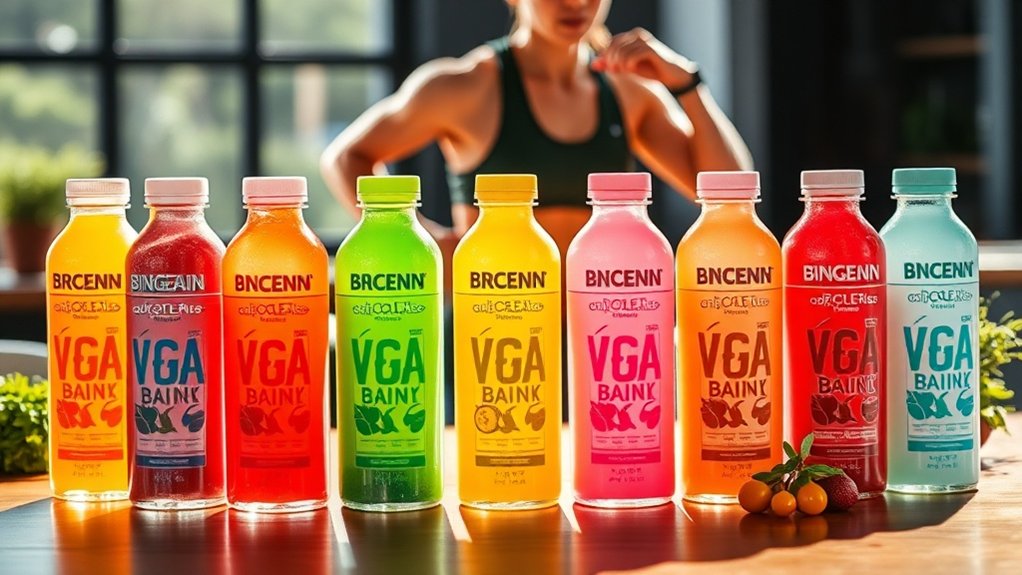
You’ll find several certified vegan sports drinks that match or exceed Gatorade’s electrolyte content, including NOOMA Sports Drink with coconut water-derived electrolytes and Lyte Show’s concentrated mineral formula.
These commercial options provide sodium, potassium, and magnesium profiles comparable to traditional sports beverages, while homemade electrolyte solutions using coconut water, sea salt, and citrus juice offer customizable mineral ratios.
When comparing nutritional data, plant-based alternatives like Kinderlyte and Rez Hydration deliver 200-400mg sodium per serving without artificial sweeteners or animal-derived additives.
Top Certified Vegan Brands
Several brands with vegan certification offer targeted hydration benefits:
- Kinderlyte Electrolyte provides sodium and potassium without added sugars or artificial components.
- Rez Hydration formulates athlete-specific ratios of electrolytes for ideal workout recovery.
- Lyte Show Electrolyte concentrates plant-based minerals into a portable dropper format.
- Skratch Labs creates evidence-based hydration solutions using real food ingredients.
- All options maintain isotonic properties for efficient cellular absorption.
These certified alternatives demonstrate that plant-based formulations can match traditional sports drinks in electrolyte delivery while aligning with ethical dietary choices and providing superior nutritional profiles.
Homemade Electrolyte Drink Recipes
Creating your own electrolyte beverages allows precise control over mineral ratios, carbohydrate content, and osmolality while eliminating synthetic additives found in commercial formulations.
These DIY electrolyte recipes optimize natural hydration options for athletic performance.
Combine 2 cups coconut water with 1 cup fresh orange juice and sea salt to deliver potassium, sodium, and simple carbohydrates.
Alternatively, blend 1 cup watermelon with equal water and lime juice for citrulline-increased hydration.
A lemon-maple-Himalayan salt mixture (2 cups water, 1 tablespoon each sweetener and citrus, pinch salt) provides balanced glucose replenishment.
For rapid preparation, mix 2 cups water with apple cider vinegar, honey, and salt to restore electrolyte homeostasis.
Herb-infused citrus water offers micronutrient density without refined sugars, supporting sustained hydration during endurance activities.
Comparing Nutritional Profiles
When evaluating vegan sports drinks against Gatorade’s formulation, electrolyte concentration and carbohydrate sources emerge as primary differentiators. You’ll find that many plant-based alternatives prioritize nutritional benefits through cleaner ingredient sourcing, featuring organic components and minimal processing.
NOOMA uses coconut water for naturally occurring electrolytes, while Lyte Show delivers concentrated minerals without caloric additives.
Key nutritional distinctions include:
- Natural flavor compounds versus artificial additives
- Organic ingredient sourcing compared to synthetic formulations
- Lower glycemic carbohydrate profiles in vegan options
- Improved micronutrient density (vitamins, minerals)
- Absence of refined sugars in products like Barcode Sports Drink
Products such as Kinderlyte and NOOMA demonstrate comparable electrolyte replenishment capacity while eliminating animal-derived ingredients.
Gatorade Zero offers calorie restriction, yet vegan alternatives like Lyte Show provide targeted electrolyte delivery with superior ingredient transparency.
This article was reviewed by Nicole Anderson, RDN.