Last Updated: April 10, 2026
Is Tapioca Vegan
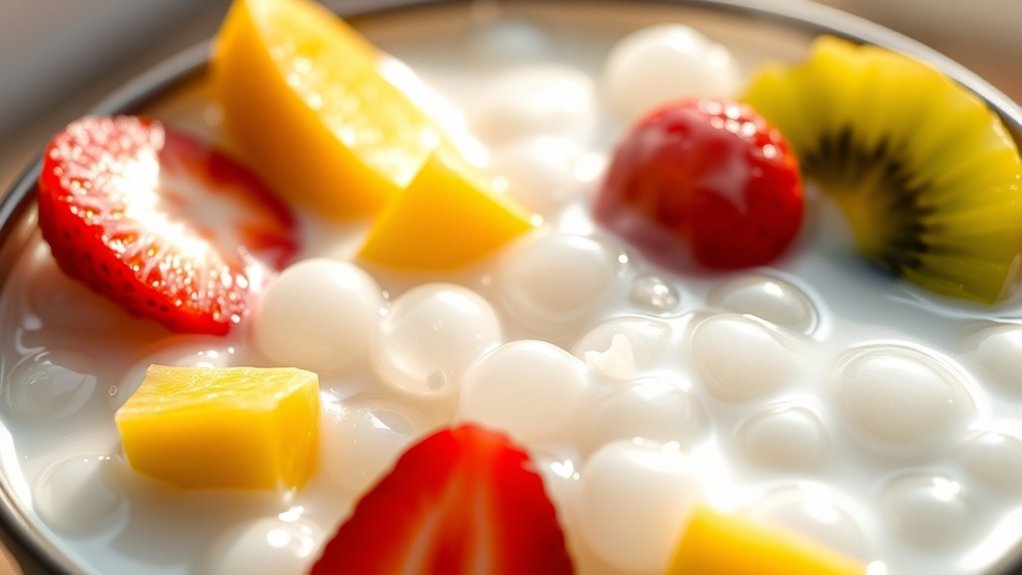
Pure tapioca is completely vegan since it’s extracted from cassava root through mechanical processing with only water and heat. You’ll find it naturally free from animal products, cholesterol, and lactose. However, packaged tapioca products may contain hidden non-vegan ingredients like dairy, eggs, or gelatin, and the refined sugar often undergoes bone char processing. Always check labels for certifications and ingredient lists to guarantee your tapioca products align with vegan standards. The distinctions between tapioca forms and their applications reveal important considerations for plant-based cooking.
Contents
show
Is Tapioca Vegan? The Short Answer
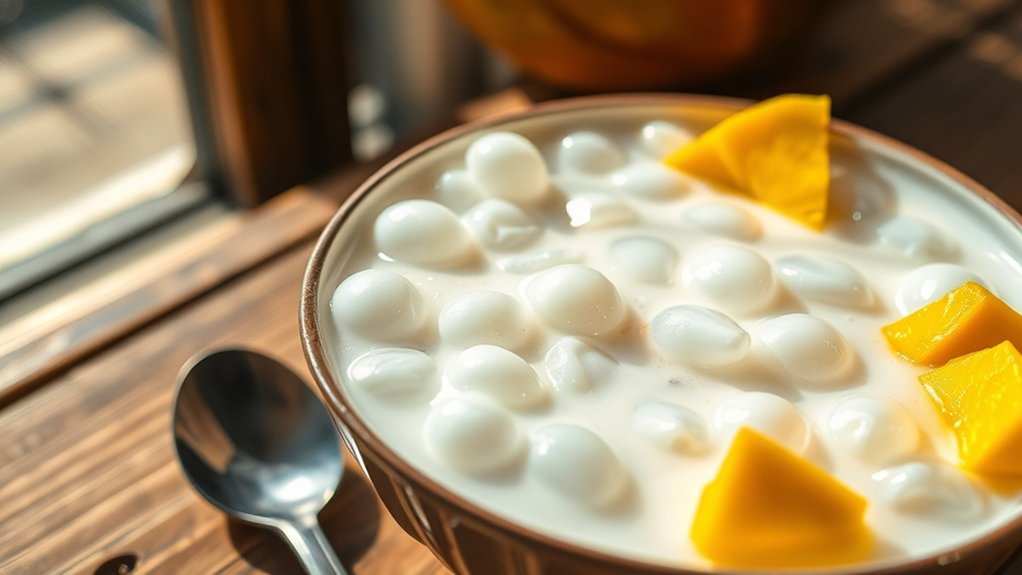
Yes, tapioca is vegan—it’s extracted from the starchy tuberous root of the cassava plant (*Manihot esculenta*), which means it contains zero animal-derived ingredients. Throughout tapioca history, indigenous communities in South America have relied on this plant-based starch as a dietary staple, and it’s remained entirely free from animal products.
However, you’ll need to exercise caution with processed tapioca products. The nutritional benefits of pure tapioca include easy digestibility and gluten-free carbohydrates, but manufacturers sometimes add non-vegan ingredients like milk powder or honey to flavored varieties.
Additionally, refined sugar used in tapioca desserts may be processed with bone char, compromising its vegan status. To guarantee your tapioca remains plant-based, choose unflavored, unsweetened varieties and verify that any added sweeteners are organic or unrefined.
Why Pure Tapioca Is Always Plant-Based
When you trace tapioca back to its source, you’ll find nothing but plant matter—specifically, the starchy tuberous roots of *Manihot esculenta*, the cassava plant that’s flourished in South American soils for millennia.
Cassava cultivation produces roots that undergo mechanical processing—grinding, pressing, and filtering—to extract pure starch, never involving animal derivatives.
The plant-based guarantee stems from tapioca’s fundamental composition:
- Zero animal protein: Contains only plant-derived carbohydrates
- Extraction method: Purely mechanical separation of starch from root tissue
- Nutritional profile: Free from cholesterol, lactose, and animal-sourced nutrients
- Processing requirements: Needs only water and heat for transformation
While tapioca health benefits include being naturally gluten-free and easily digestible, its vegan status remains absolute throughout production—unless manufacturers add non-plant ingredients during commercial preparation.
Hidden Animal Ingredients in Packaged Tapioca
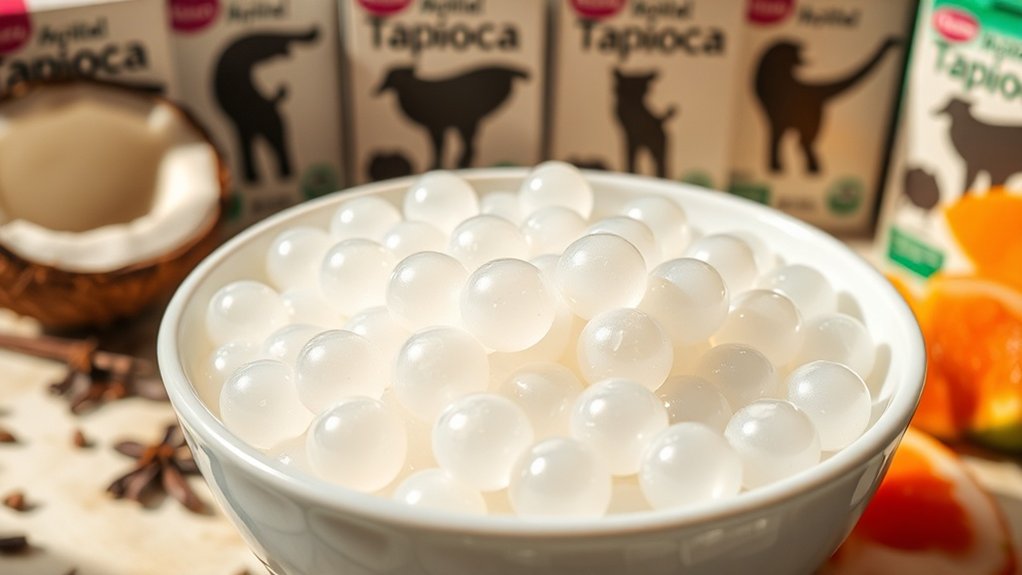
Although pure tapioca starch remains inherently vegan, commercial manufacturers frequently incorporate animal-derived additives that compromise the plant-based integrity of packaged products.
Pre-packaged boba balls and flavored tapioca desserts often contain hidden dairy, eggs, or animal-based colorants. Refined sugar processing presents another concern—some manufacturers use bone char filtration, making seemingly innocent sweeteners unsuitable for strict vegans.
Ingredient transparency becomes essential when evaluating packaged tapioca. You’ll need to scrutinize labels for casein, whey, gelatin, and other animal derivatives that manufacturers add for texture or flavor improvement.
Tapioca sourcing matters less than post-processing additions in determining vegan status.
To guarantee compliance with plant-based standards, you’re best purchasing unflavored, unsweetened tapioca pearls or seeking certified vegan labels. These verification marks make sure thorough ingredient vetting and confirm the absence of animal products.
The Bone Char Problem: Sugar in Tapioca Products
Among the hidden animal-derived additives in packaged tapioca, refined sugar presents one of the most perplexing yet overlooked vegan concerns.
You’ll find that many tapioca products contain sugar processed with bone char—a decolorizing agent derived from animal bones. This filtering method compromises the vegan status of otherwise plant-based foods.
To direct this issue, you should:
- Verify sugar sourcing by contacting manufacturers directly about their refining processes
- Choose certified organic products, as organic sugars aren’t processed with bone char
- Select unrefined sugar alternatives like coconut sugar, date sugar, or maple syrup
- Read labels carefully for explicit “vegan” or “bone char-free” certifications
Understanding these sugar sourcing practices empowers you to make informed decisions.
When manufacturers aren’t transparent about their refining methods, opt for documented vegan-certified tapioca products instead.
How to Identify Vegan Tapioca at the Store
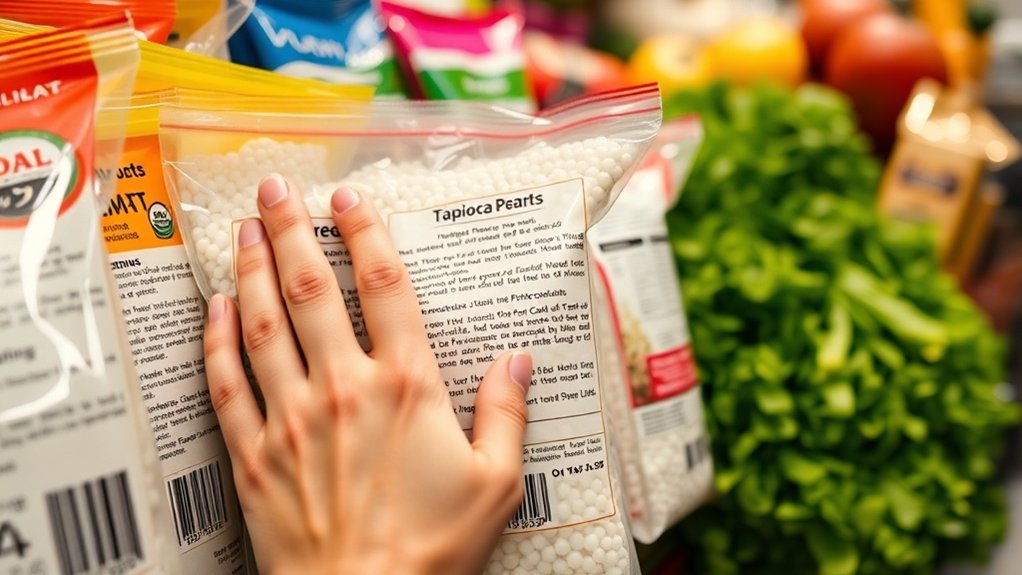
Finding your way through the supermarket aisles for genuinely vegan tapioca requires more than scanning for obvious animal products—you’ll need to scrutinize ingredient lists, certifications, and manufacturing details.
Start by checking for official vegan labels, which guarantee no animal-derived ingredients or by-products. Many tapioca brands now display these certifications prominently on packaging.
Examine ingredient lists carefully for hidden animal additives like dairy, eggs, or non-vegan sugar processing agents. Unflavored, unsweetened tapioca pearls typically present fewer concerns than pre-flavored varieties.
If refined sugar appears in the ingredients, verify it’s processed without bone char or choose products explicitly labeled vegan.
Use vegan product databases and apps to cross-reference tapioca brands before purchasing. These resources provide reliable information about manufacturing practices and ingredient sourcing you can’t always determine from packaging alone.
Is Bubble Tea With Tapioca Pearls Vegan?
Bubble tea’s vegan status depends entirely on how it’s prepared, not just the tapioca pearls themselves. While tapioca pearls are naturally vegan (made from cassava starch), many bubble tea flavors contain dairy milk, non-vegan sweeteners, or honey-laden toppings that compromise their plant-based credentials.
To guarantee your bubble tea remains vegan:
- Request plant-based milk alternatives like oat, soy, or almond milk instead of dairy.
- Verify sweetener sources since refined sugar may be processed with bone char.
- Check tapioca pearl additives as some brands include honey or animal-derived ingredients.
- Check out tapioca alternatives such as fruit jellies or popping boba, confirming their vegan certification.
Always communicate your dietary requirements directly with bubble tea shops, as recipes vary greatly between establishments and specific ingredient sourcing directly impacts whether your drink maintains its vegan integrity.
Using Tapioca as a Vegan Binder and Thickener
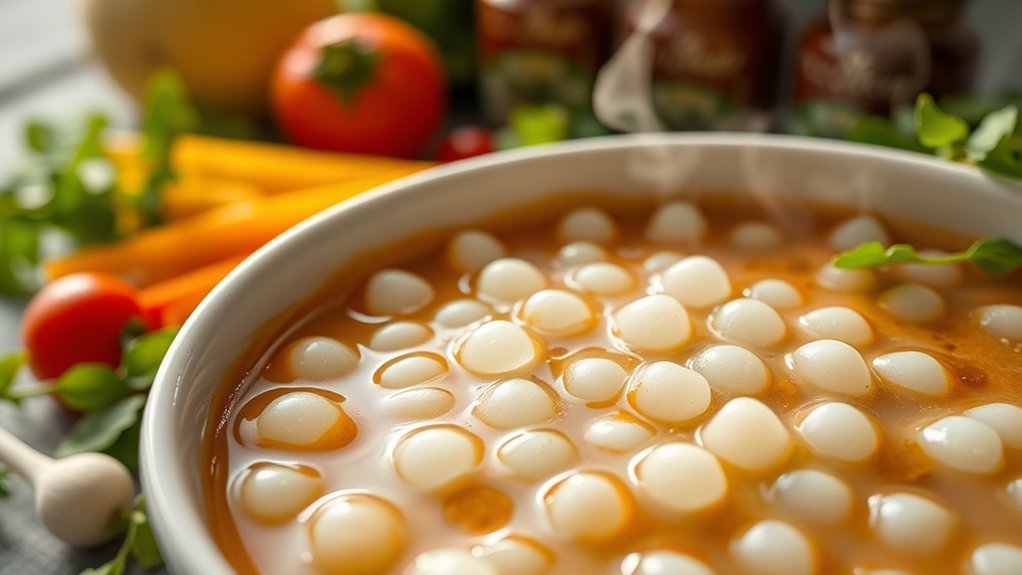
Tapioca starch functions as one of the most versatile plant-based binders and thickeners in vegan cooking, offering functional properties that rival traditional animal-derived ingredients like eggs and gelatin. You’ll find it exceptionally effective in holding together patties, sausages, and fritters while maintaining a neutral flavor profile that won’t compromise your dish’s taste.
In desserts and sauces, it creates a smooth, pudding-like consistency through its liquid-absorbing properties that form gel-like textures—particularly valuable for gluten-free baking applications.
While tapioca nutrition primarily provides carbohydrates with minimal protein or fiber, its functional benefits make it indispensable in plant-based kitchens. You should monitor cooking time and temperature carefully to prevent clumping and achieve ideal creaminess.
If you’re seeking tapioca alternatives, consider arrowroot powder or cornstarch, though they may produce slightly different textural results.
Tapioca Starch vs. Flour: Key Differences
When selecting tapioca products for vegan cooking, you’ll encounter two distinct forms: tapioca starch and tapioca flour.
These products differ fundamentally in their processing methods—starch is extracted and refined from the cassava root, while flour incorporates the whole root.
Understanding these compositional differences will help you choose the right option for your specific culinary needs, whether you’re thickening sauces or creating gluten-free baked goods.
Processing and Composition Differences
Although both products originate from the same cassava root, their processing methods create fundamentally different ingredients with distinct compositional profiles.
Tapioca extraction methods determine whether you’re getting pure starch or a more complete flour product.
Key processing and compositional differences:
- Starch extraction: Involves washing, pulping, and filtering cassava root to isolate pure starch molecules, removing all fiber and nutrients.
- Flour production: Uses the whole root, which is dried and ground, preserving natural fiber content and trace nutrients.
- Nutritional comparisons: Flour retains slightly more fiber and protein, while starch contains 100% carbohydrates.
- Texture outcome: Processing creates starch’s ultra-fine powder versus flour’s coarser consistency.
Understanding these distinctions helps you select the appropriate ingredient for your culinary needs and nutritional goals.
Culinary Uses and Applications
Your choice between tapioca starch and flour fundamentally shapes your cooking outcomes, as each serves distinct culinary purposes based on its unique properties.
Tapioca starch excels as a thickening agent for sauces, gravies, and tapioca desserts like puddings, delivering a smooth, glossy consistency without altering flavor profiles. Its 100% processed composition creates concentrated thickening power ideal for clear sauces.
Conversely, tapioca flour‘s whole-root composition makes it valuable for gluten-free baking applications, contributing a subtle sweetness and binding properties to breads, cakes, and pastries. The flour’s retained fiber and nutrients improve tapioca nutrition while providing structure in baked goods.
You can’t substitute these products at a 1:1 ratio—the flour’s additional fiber affects texture and consistency differently than pure starch, requiring recipe adjustments for best results.
Vegan Recipes That Rely on Tapioca
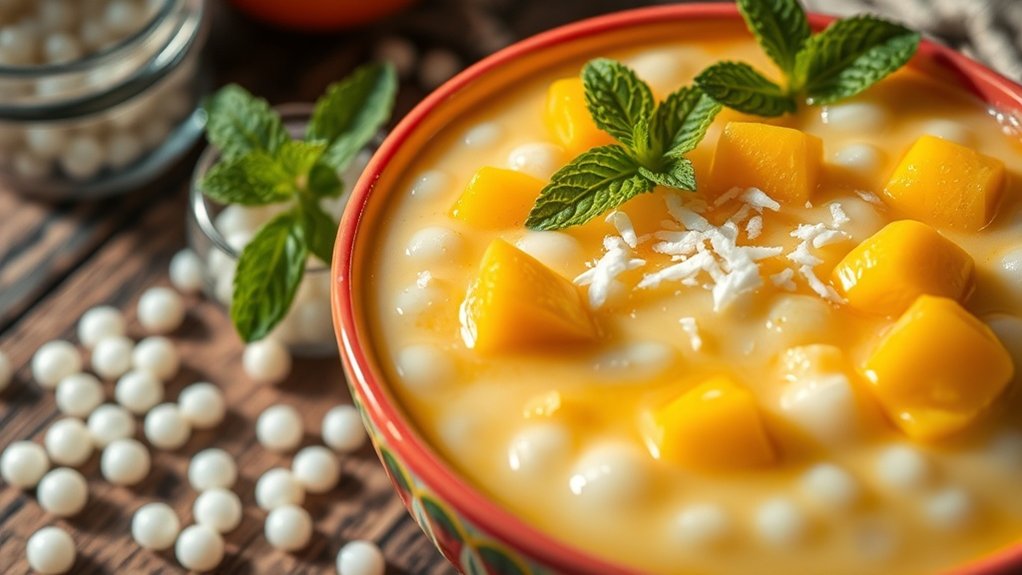
Because tapioca derives entirely from cassava root, it serves as an ideal foundation for numerous plant-based recipes that require neutral-tasting starches or thickeners.
You’ll find tapioca desserts ranging from coconut mango puddings to chocolate variations, all customizable with natural sweeteners like maple syrup or agave. Tapioca smoothies benefit from its thickening properties, creating creamy textures without dairy products.
Popular vegan applications include:
- Bubble tea – Tapioca pearls combined with plant-based milk alternatives
- Gluten-free baking – Functions as a binding agent in cookies and cakes
- Savory sauces – Thickens gravies and stir-fry sauces without animal derivatives
- Fruit puddings – Pairs naturally with berries, tropical fruits, and vanilla extracts
You can adapt these recipes by adjusting sweetness levels and incorporating various flavor profiles while maintaining complete adherence to vegan dietary standards.
Where to Buy Certified Vegan Tapioca Products
Finding certified vegan tapioca products doesn’t require extensive searching, as most mainstream grocery chains now stock clearly labeled options in their baking or health food aisles.
When considering tapioca sourcing, you’ll find reputable brands like Bob’s Red Mill and Anthony’s consistently offer certified vegan options. These vegan brands maintain transparent ingredient lists and clear certification labeling.
For the best selection, visit specialized health food stores or investigate online retailers dedicated to plant-based products.
Always examine ingredient lists on pre-packaged bubble tea mixes and desserts, as these sometimes contain hidden animal-derived additives. Vegan databases and mobile apps can help you locate local suppliers and verify product certifications.
Whether you’re purchasing tapioca pearls, starch, or flour, prioritizing certified vegan labels guarantees you’re getting products free from animal-derived ingredients.
This article was reviewed by Nicole Anderson, RDN.