Last Updated: December 9, 2025
Is Seaweed Vegan
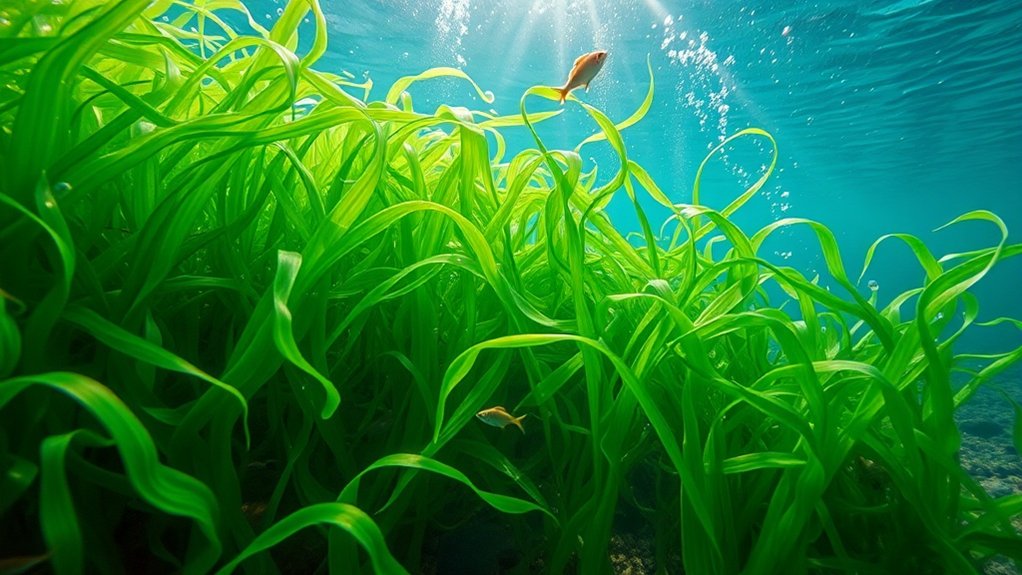
Yes, seaweed is completely vegan—it’s a marine algae without stems, roots, or leaves, making it pure plant-based nutrition. You’ll find varieties like nori, kombu, and dulse packed with essential nutrients including omega-3 fatty acids, vitamin B12, iodine, and protein (nori contains 47% protein by dry weight). It’s sustainably harvested without freshwater, fertilizers, or pesticides, while actively absorbing carbon dioxide from our oceans. Understanding the different types, their specific health benefits, and how to incorporate them into your meals will help you maximize this nutritional powerhouse.
Contents
show
What Is Seaweed and Why Is It Vegan?
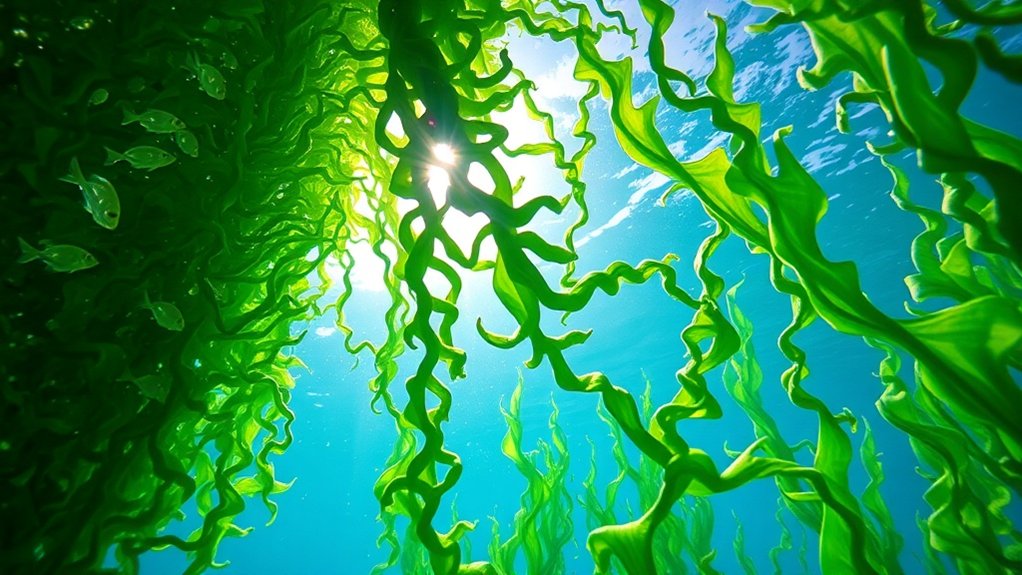
Seaweed represents a diverse group of marine algae that fundamentally differs from animal life, making it an unequivocally vegan food source.
You’ll find that seaweed lacks true stems, roots, or leaves, classifying it as a non-animal life form that’s perfectly compatible with your plant-based diet.
Edible varieties like nori, kombu, and dulse offer exceptional nutrition, providing essential iodine, protein, and omega-3 fatty acids—nutrients you’ll particularly value as a vegan.
Whether you’re enjoying sushi wrapped in nori or adding kelp to your salads, you’re incorporating marine algae that amplifies both flavor and nutritional content.
This distinction matters because seaweed’s biological classification as algae, rather than a traditional plant or animal, confirms its status as a legitimate component of any plant-based diet.
Types of Edible Seaweed and Their Nutritional Profiles
Marine algae varieties span an impressive nutritional spectrum, with each type delivering distinct bioactive compounds that’ll bolster your plant-based lifestyle. Common edible seaweeds like nori, kombu, dulse, Irish moss, and sea lettuce offer exceptional nutritional benefits for your vegan diet.
Nori stands out with remarkable protein content reaching 47% by dry weight, plus essential vitamins and minerals. Kombu provides digestive-supporting compounds and exceptional iodine levels while increasing dishes with natural saltiness.
Dulse’s mild flavor complements soups, salads, and smoothies while delivering concentrated nutrients. Kelp offers low-calorie nutrition packed with magnesium, fiber, and iodine.
These plant-based foods address common nutritional gaps in vegan eating patterns, particularly iodine deficiency. Incorporating diverse seaweed varieties guarantees you’ll maximize micronutrient intake while enjoying unique culinary possibilities.
Health Benefits and Nutritional Considerations for Vegans

Beyond their impressive micronutrient profiles, these ocean vegetables deliver specific health benefits that directly address nutritional challenges vegans commonly face.
Seaweed provides omega-3 fatty acids (EPA and DHA) rarely found in plant-based sources, supporting cardiovascular and cognitive function.
Purple laver distinctly contains bioavailable Vitamin B12, helping you meet essential vitamin requirements on a vegan diet.
The high dietary fiber content promotes gut health by feeding beneficial bacteria and improving digestive regularity.
Seaweed’s bioactive compounds, including powerful antioxidants, offer anti-inflammatory and anti-cancer properties that support long-term wellness.
You’ll also obtain vital minerals like iodine for thyroid function, calcium for bone health, and iron for oxygen transport—all critical nutritional needs that require careful attention in plant-based eating patterns.
These combined attributes make seaweed a strategically valuable addition to your vegan diet.
Sustainability and Environmental Impact of Seaweed Harvesting
When evaluating food choices through an environmental lens, you’ll find that seaweed stands apart as one of the planet’s most sustainable protein and nutrient sources.
Seaweed farming requires no freshwater, fertilizers, or pesticides while actively absorbing carbon dioxide to combat ocean acidification. Its rapid growth—some species double their biomass within days—makes it an exceptionally renewable resource with minimal ecological footprint.
Unlike terrestrial agriculture, harvesting seaweed doesn’t compete for land or resources. Instead, cultivation boosts marine biodiversity by creating habitats for various organisms and reducing pollution impacts.
The global seaweed industry’s projected growth to $16 billion by 2025 reflects its viability as both a food source and economic driver. This environmental impact positions seaweed as a cornerstone of sustainable nutrition.
How to Buy, Prepare, and Use Seaweed in Your Kitchen
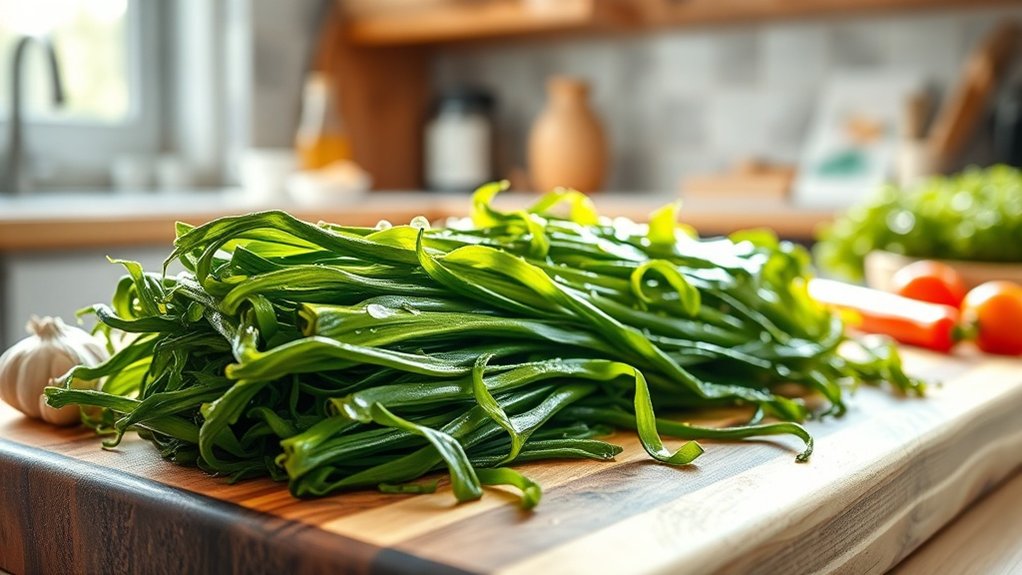
Understanding seaweed’s environmental benefits naturally leads to making informed choices at the grocery store and in your home cooking.
When learning how to buy, prepare, and use seaweed, prioritize products with sustainable harvesting certifications and vegan certified labels. You’ll find seaweed in dried sheets like nori sheets for sushi rolls, or kombu for enriching soups with umami flavor and nutrients.
Add wakame to salads for a nutritional boost that complements vegetables perfectly. Different forms—sheets, flakes, or powder—offer culinary versatility.
Always examine ingredient lists on prepared seaweed products, as some contain non-vegan additives like fish sauce or bonito flakes that conflict with vegan dietary preferences. This careful selection guarantees your seaweed consumption aligns with both ethical standards and nutritional goals.
This article was reviewed by Nicole Anderson, RDN.