Last Updated: March 24, 2026
Is Beeswax Vegan
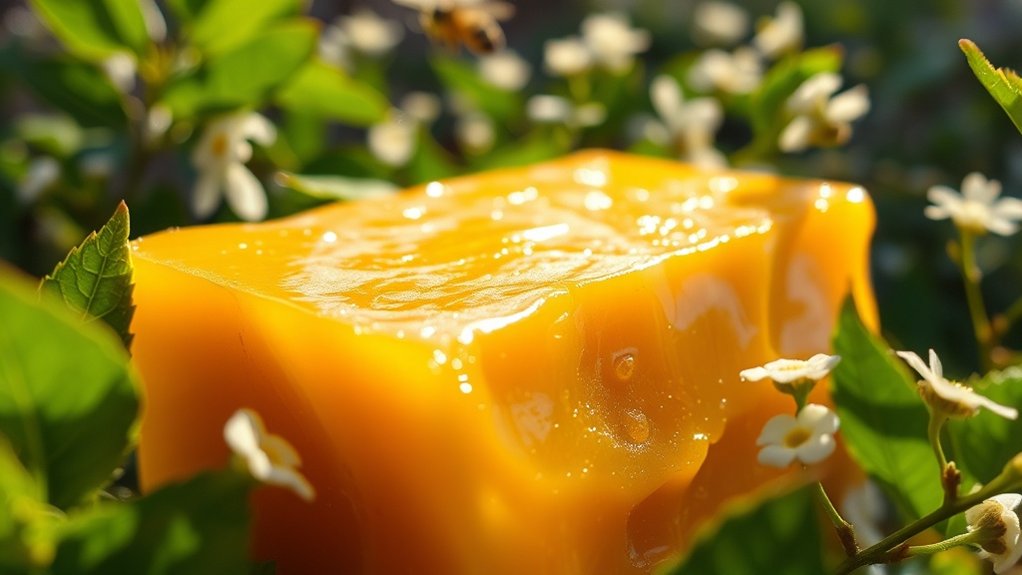
Beeswax isn’t vegan because it’s an animal-derived product that requires exploiting bee labor and colony resources. When you use beeswax products, you’re consuming materials that bees produce through specialized glands and need for their own survival—creating honeycomb structures and storing food. Commercial harvesting can stress colonies and compromise their wellbeing, even though bees aren’t directly harmed in the process. You’ll find beeswax hidden in cosmetics, candles, and even cheese coatings, but several plant-based alternatives like candelilla and carnauba wax offer ethical substitutes that’ll help you make informed choices.
Contents
show
How Honeybees Make Beeswax in Their Hives
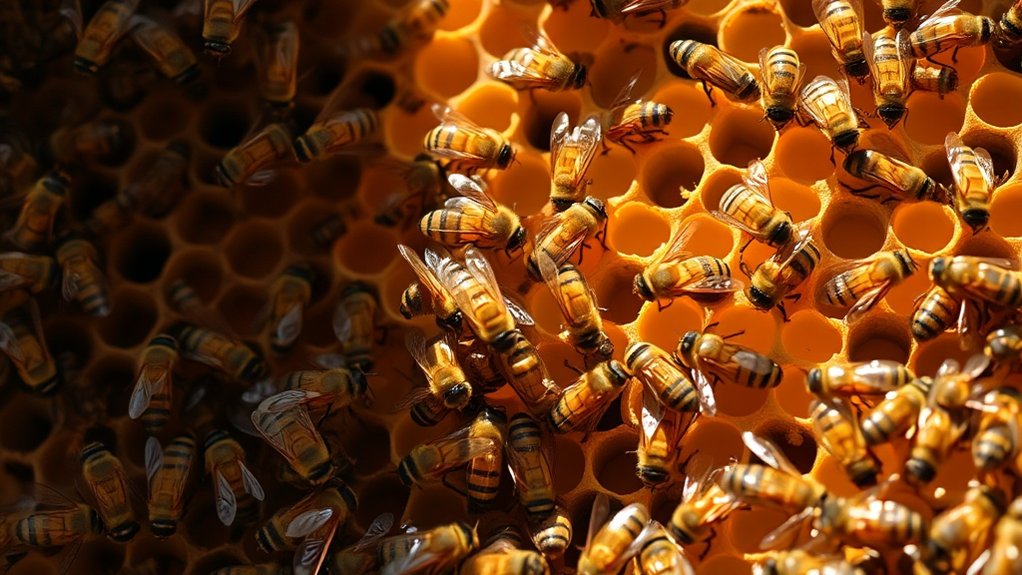
Honeybees secrete beeswax through eight specialized glands located on the underside of their abdomens. If you’re examining beeswax production, you’ll find that worker bees aged 12 to 18 days perform this vital task. They release tiny wax flakes that they’ll then chew and mold into the iconic hexagonal honeycomb structure.
This process demands significant energy from the hive ecosystem—bees must consume approximately 8 ounces of honey to produce just 1 ounce of beeswax.
The resulting honeycomb serves dual purposes: storing honey for the colony’s sustenance and providing nursery cells for developing larvae.
When you consider the ethics of using beeswax, understanding this labor-intensive process matters. The bees dedicate substantial resources and energy to create this material that sustains their entire colony’s survival and reproduction.
Why Beeswax Doesn’t Qualify as Vegan
Despite its natural origins, beeswax fails the fundamental vegan test: it’s an animal-derived product extracted through exploitation. You’ll find that beeswax harvesting involves taking resources bees create for their own survival, which contradicts vegan philosophy.
Here’s why beeswax doesn’t align with vegan principles:
- Animal Origin: Bees produce wax through specialized glands for hive construction, making it fundamentally non-vegan.
- Exploitation Concerns: Commercial beeswax harvesting often occurs during honey extraction, subjecting bees to stress and potential harm.
- Health Impact: Modern beekeeping practices can compromise bee colonies’ wellbeing and natural lifecycles.
- Ethical Considerations: Taking beeswax removes resources bees need, regardless of sourcing methods.
Plant-based alternatives exist that don’t involve animal exploitation, making them more aligned with vegan values.
Common Products That Contain Hidden Beeswax
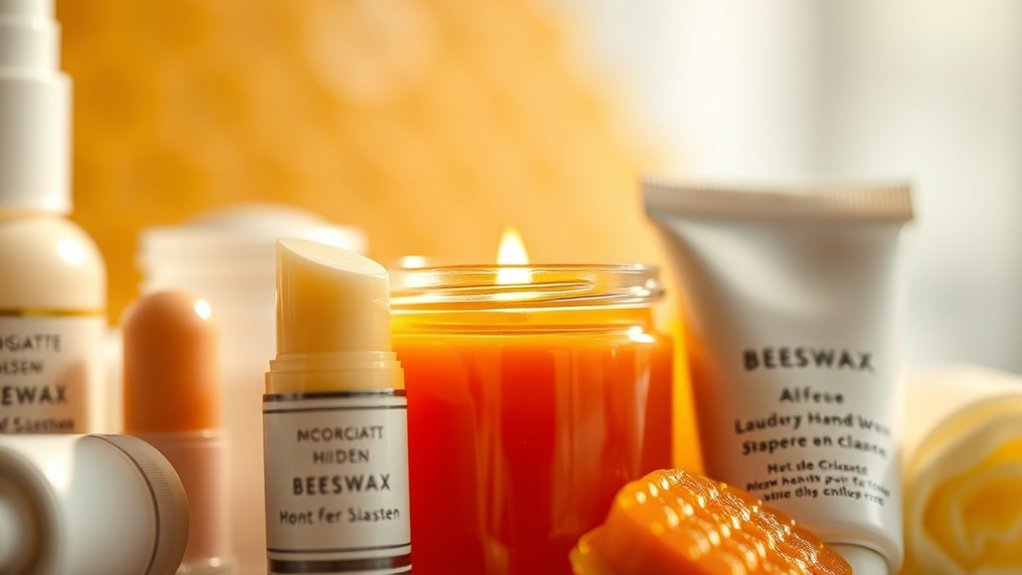
Understanding beeswax’s non-vegan status becomes even more important when you realize how many everyday products contain it without clear labeling.
Beeswax cosmetics dominate the natural beauty market, appearing in lip balms, lotions, and creams as an emulsifier. You’ll find beeswax candles marketed as eco-friendly alternatives, though they’re not suitable for strict vegan lifestyles.
Beyond these obvious sources, beeswax hides in unexpected places: pharmaceutical coatings, processed cheeses, candy shells, and even dental floss where it improves glide and flavor retention.
Art supplies like encaustic painting materials also contain it for texture improvement.
Since manufacturers aren’t always required to highlight beeswax prominently on labels, you’ll need to check ingredient lists carefully, especially on products marketed as “natural” or “organic,” which frequently incorporate bee-derived ingredients.
Can Small-Scale Beekeeping Make Beeswax Ethical?
While small-scale beekeeping appears more ethical than industrial operations, it doesn’t resolve the fundamental vegan concern about animal exploitation. Even with improved bee welfare practices, you’re still taking products bees create for themselves.
Small-scale operations do offer notable advancements:
- Personalized colony care through fewer hives allows beekeepers to monitor individual colony health and respond quickly to issues.
- Ethical harvesting practices guarantee bees retain sufficient honey and wax for survival needs.
- Gentle extraction methods like carefully scraping honeycomb cappings minimize stress and physical harm to bees.
- Environmental benefits support local biodiversity and pollination, creating positive ecological impacts.
However, these advancements address treatment quality rather than the core ethical question: whether humans should use animal products at all, regardless of harvesting methods.
Vegan Wax Alternatives That Replace Beeswax
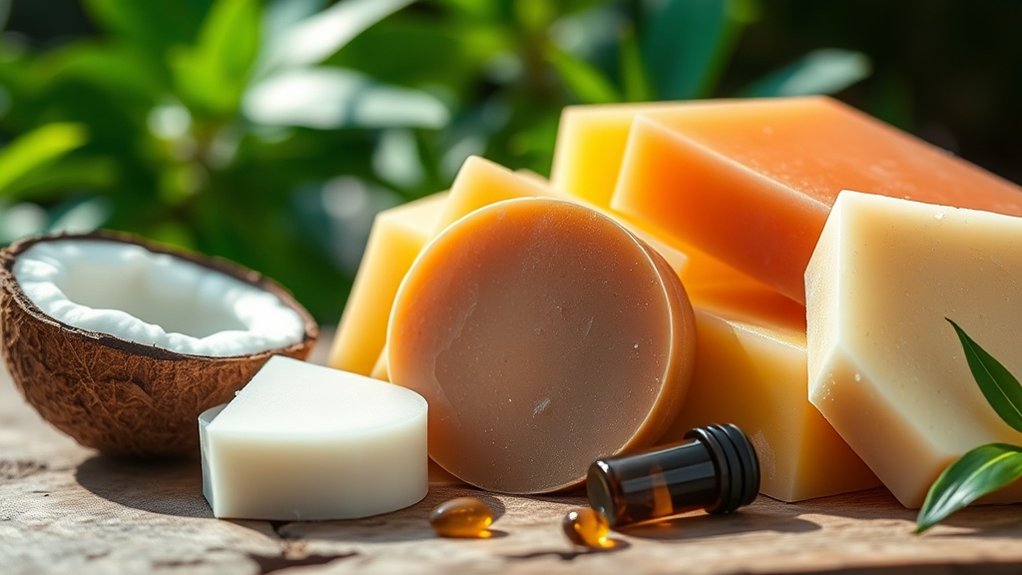
Whether you choose small-scale or industrial sources, beeswax remains an animal product. If you’re seeking truly vegan alternatives, several plant-based waxes offer comparable properties.
Candelilla benefits include its density and hardness, making it excellent for cosmetics and candles. Carnauba applications span food coatings to personal care products, where its high gloss finish shines.
Rice bran versatility makes it ideal for both cosmetics and food uses without stickiness. Soy wax sustainability stands out through its biodegradable nature, perfect for eco-conscious candle making.
Sunflower texture provides a creamy consistency that works beautifully in lotions and creams. Each alternative offers unique advantages while respecting your commitment to avoiding animal-derived ingredients.
You’ll find these plant-based options deliver performance without compromise.
This article was reviewed by Nicole Anderson, RDN.