Last Updated: March 12, 2026
Are Clif Bars Vegan

Most Clif Bars contain only plant-based ingredients, but they’re not officially vegan-certified due to cross-contamination risks in shared facilities. You’ll find that Canadian varieties typically avoid animal-derived ingredients entirely, while some U.S. products contain honey or whey—particularly the CLIF Kid Zbar® Protein. The “may contain milk” warning indicates potential trace dairy from shared equipment, not intentional ingredients. If you’re following a strict vegan diet, you’ll need to check individual product labels carefully, as formulations vary greatly by flavor and region.
Contents
show
Are Most Clif Bars Vegan or Just Plant-Based?

Most Clif Bars contain exclusively plant-based ingredients—whole grains, nuts, dried fruits, and plant proteins—but the company doesn’t label them as vegan.
When you’re wondering “are cliff bars vegan,” you’ll find that varieties like chocolate chip clif bars are technically plant-based, yet cross-contamination with dairy in shared facilities prevents official vegan certification.
If you’re researching which clif bars are vegan, know that nearly all varieties meet plant-based criteria except CLIF Kid Zbar® Protein, which intentionally contains whey.
Many vegans still consume these bars, accepting the minimal cross-contamination risk.
Clif emphasizes transparency about their ingredient sourcing and manufacturing processes, allowing you to make informed decisions based on your dietary standards.
The distinction between “plant-based” and “vegan” matters here—ingredients versus facility practices.
Which Clif Bar Products Contain Animal Ingredients?
When selecting Clif products for a vegan diet, you’ll need to identify which items contain animal-derived ingredients.
The CLIF Kid Zbar® Protein stands out as the primary product that intentionally includes whey, a dairy-based protein, and some varieties also contain honey.
Additionally, you should note that products manufactured in U.S. facilities may carry warnings about potential dairy cross-contamination, while Canadian versions typically avoid these concerns due to different production processes.
CLIF Kid Zbar Protein
Among Clif Bar’s extensive product lineup, the CLIF Kid Zbar® Protein stands alone as the only item containing intentionally added animal-derived ingredients. This product specifically incorporates whey, a dairy-based protein source that makes it unsuitable for vegan consumption.
This inclusion represents a distinct departure from Clif’s primarily plant-based formulation approach across their other offerings. You’ll find that the company maintains transparency about this ingredient choice, clearly communicating the presence of animal-derived components to consumers.
While most Clif products avoid intentionally added animal ingredients, it’s important to recognize that even plant-based options aren’t officially labeled vegan.
This cautious labeling stems from potential cross-contamination with dairy during manufacturing in shared facilities, confirming you’re fully informed about possible trace amounts.
Whey and Honey Ingredients
Beyond the CLIF Kid Zbar® Protein‘s whey content, honey emerges as another animal-derived ingredient you’ll encounter in select Clif Bar products, particularly those distributed in the United States market.
While honey provides natural sweetness and nutritional benefits, it’s definitively animal-derived, making these products unsuitable for strict vegans who avoid all animal exploitation.
It’s worth noting that Canadian Clif products don’t intentionally include any animal-based ingredients, offering more options for vegan consumers in that market.
However, you should always examine ingredient labels carefully, as formulations can change. Additionally, shared bakery facilities may introduce trace amounts of dairy, which manufacturers disclose through allergen warnings.
If you’re committed to strict vegan principles, scrutinize each product’s packaging to confirm it aligns with your dietary values.
Canadian vs US Products
Geography greatly influences Clif Bar formulations, creating distinct differences between products sold in Canada and the United States.
Canadian Clif Bar products don’t intentionally include animal-based ingredients, making them more suitable if you’re following a strict vegan diet.
In contrast, U.S. products show more variation—certain varieties like CLIF Kid Zbar® Protein contain whey, an animal-derived dairy ingredient.
You’ll also need to evaluate cross-contamination risks.
U.S. manufacturing facilities often process multiple products in shared bakeries, creating potential dairy exposure even in plant-based varieties.
This concern prevents many U.S. Clif Bars from receiving official vegan certification, despite featuring primarily plant-based ingredients like oats, nuts, and dried fruits.
Carefully reviewing ingredient labels and manufacturing disclosures helps you determine which products align with your dietary requirements.
Are Clif Bars Vegan in Canada vs. the United States?
If you’re shopping for Clif Bars in Canada, you’ll find that the formulations don’t intentionally include animal-derived ingredients like whey or honey.
However, if you’re purchasing these bars in the United States, you need to check labels carefully, as some varieties contain whey protein and honey as core ingredients.
This regional difference in formulation means your ability to maintain a strict vegan diet with Clif Bars depends greatly on where you’re buying them.
Canadian Products: No Animal Ingredients
When shopping for Clif Bars in Canada, you’ll find a significant difference in formulation compared to U.S. versions. Canadian Clif products don’t intentionally contain any animal-based ingredients, making them inherently suitable for plant-based diets. You won’t encounter whey or honey in these formulations, unlike some U.S. varieties that include these animal-derived components.
However, it’s important to note that Canadian Clif products aren’t labeled as vegan. This cautious labeling approach reflects potential cross-contamination with dairy in shared manufacturing facilities.
While the ingredients themselves align with vegan principles—featuring whole grains, nuts, and other plant-based components—the possibility of trace dairy exposure exists.
Clif emphasizes transparency in their ingredient sourcing, enabling you to make informed decisions based on your dietary standards. Many vegans consider these Canadian products acceptable despite the cross-contamination disclaimer.
U.S. Products: Whey and Honey
The U.S. market presents a more complex landscape for vegan consumers seeking Clif products. Several varieties contain whey, a milk-derived protein that disqualifies them from vegan consideration.
You’ll find whey in products like the CLIF Kid Zbar® Protein, which uses this animal-based ingredient to boost protein content. Additionally, honey appears in some U.S. formulations, creating another barrier for strict vegans who exclude bee-derived ingredients.
This geographical difference means you can’t assume a product’s vegan status based solely on the Clif brand name. If you’re following a vegan diet in the U.S., you’ll need to scrutinize ingredient labels carefully before purchasing.
The presence of whey and honey in select products requires vigilance, as these ingredients fundamentally conflict with vegan dietary principles.
What Honey, Whey, and Vitamin D3 Mean for Vegans

Understanding which ingredients disqualify a food from being vegan requires examining three common additives found in various Clif Bar products: honey, whey, and vitamin D3.
Why these ingredients matter to vegans:
- Honey represents bee labor exploitation, as commercial harvesting removes food bees created for their own survival.
- Whey comes directly from milk processing, supporting dairy industry practices that separate calves from mothers.
- Vitamin D3 typically derives from lanolin (sheep’s wool) or fish liver oil, making it an animal-sourced nutrient.
Each ingredient poses ethical considerations beyond dietary preference.
While honey and vitamin D3 appear in select Clif Bar varieties, whey is intentionally added to CLIF Kid Zbar® Protein products.
You’ll need to review ingredient labels carefully, as these additives directly contradict vegan principles of avoiding animal exploitation.
Why Does “May Contain Milk” Appear on Clif Bar Labels?
If you’ve spotted “may contain milk” on your Clif Bar wrapper, you’re seeing a cross-contamination warning rather than an ingredient declaration. This advisory exists because Clif Bars are produced in shared bakery facilities where dairy-containing products are also manufactured.
During production, trace amounts of milk proteins could inadvertently transfer to otherwise plant-based products through shared equipment or airborne particles.
This labeling transparency serves consumers with severe dairy allergies who require complete avoidance of milk proteins. For strict vegans, this presents a philosophical consideration: the bars contain no intentional animal ingredients, yet potential trace dairy exists.
Many vegans accept this cross-contamination reality, recognizing that Clif Foods’ disclosure enables informed decision-making. The exception is CLIF Kid Zbar® Protein, which deliberately contains whey as an ingredient.
Clif Bar Vegan Status by Product Line: Complete Comparison
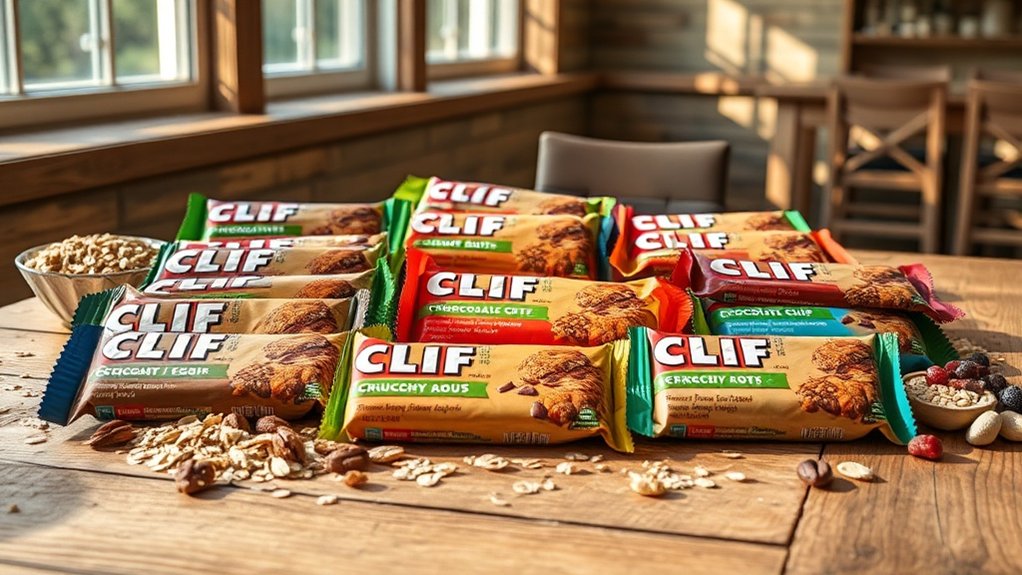
Steering Clif Bar’s extensive product portfolio requires understanding which formulations align with vegan principles and which don’t. While most Clif products contain plant-based ingredients like whole grains, nuts, and dried fruits, you’ll find important distinctions across their lines.
Key product line differences affecting your dietary choices:
- CLIF Kid Zbar® Protein intentionally contains whey—making it the only line explicitly unsuitable for plant-based consumers.
- U.S. Clif products may include honey, while Canadian formulations avoid animal-derived ingredients entirely.
- Cross-contamination warnings prevent official vegan certification, despite many products being plant-based in composition.
You won’t find vegan labels on any Clif products due to shared manufacturing facilities.
However, Clif’s transparency commitment means you can review ingredient lists to make informed decisions aligned with your dietary requirements and personal threshold for cross-contamination risk.
How to Spot Non-Vegan Ingredients on Any Clif Bar Package
First, check for whey protein, an intentionally added dairy derivative found in CLIF Kid Zbar® Protein products. You’ll find this listed clearly in the ingredient panel.
Second, scan for honey, which appears in some U.S. Clif products but not Canadian versions. This bee-derived sweetener disqualifies products from strict vegan classification.
Third, review allergen statements for phrases like “may contain traces of milk,” indicating potential cross-contamination from shared manufacturing facilities.
While the primary ingredients may be plant-based, this disclaimer signals possible animal product presence.
Remember that different flavors within the same product line may vary in their animal-based ingredients, requiring individual verification for each variety.
Can You Trust “Plant-Based” Claims on Energy Bar Labels?

When manufacturers stamp “plant-based” on energy bar packaging, they’re making a technically accurate yet potentially misleading claim that doesn’t guarantee vegan status.
You’ll find that “plant-based” simply indicates a focus on plant-derived ingredients—not the complete absence of animal products. Clif Bar’s transparency demonstrates this distinction: most products use whole grains, nuts, and dried fruits, yet they’re not labeled vegan due to potential dairy cross-contamination in shared facilities.
Critical considerations when evaluating plant-based claims:
- CLIF Kid Zbar® Protein intentionally contains whey, proving that “plant-based” doesn’t equal vegan-friendly
- Cross-contamination with dairy can occur even when animal ingredients aren’t deliberately added
- Label scrutiny remains your only reliable method for confirming true vegan status
You must verify ingredients yourself rather than relying on marketing terminology alone.
How to Check If Your Clif Bar Flavor Is Currently Vegan
If you’re purchasing in Canada, you’ll find Clif Bars don’t contain intentionally added animal ingredients.
However, strict vegans must still evaluate shared facility warnings, since manufacturing equipment processes both plant-based and dairy-containing products, potentially compromising vegan compliance despite mainly plant-derived formulations.
This article was reviewed by Nicole Anderson, RDN.