Last Updated: December 12, 2025
Is Kahlua Vegan
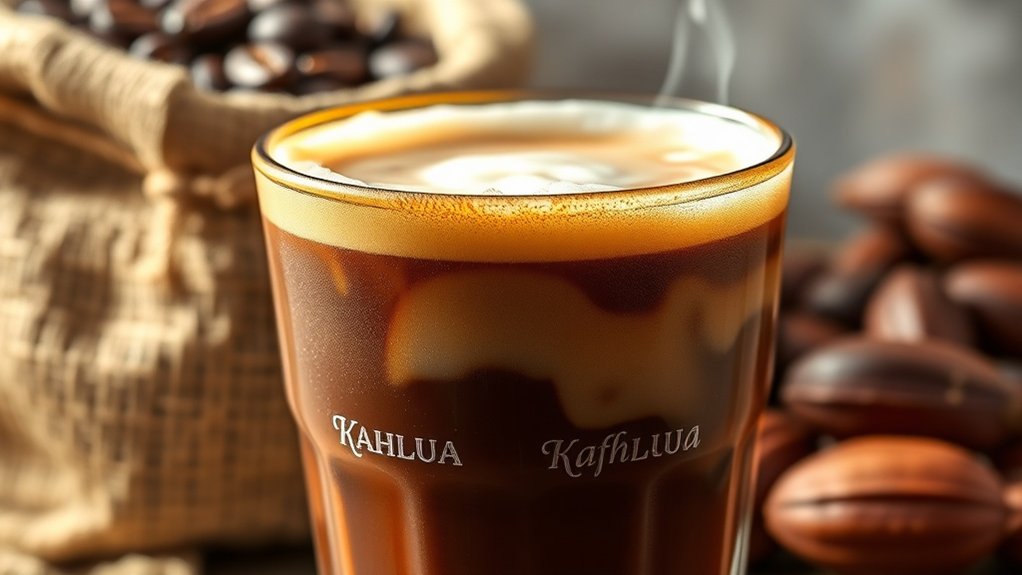
Standard Kahlúa isn’t vegan because its sugar undergoes bone char filtration—a refining process using charred animal bones. While the coffee and rum components are plant-based, this processing method disqualifies it from vegan certification in most regions, particularly the U.S. However, UK and international formulations may use beet sugar or differently processed cane sugar, making them vegan-compatible. You’ll need to check your specific bottle’s origin and ingredients. Several certified vegan coffee liqueurs like Tia Maria and Mr. Black offer comparable alternatives, and understanding these distinctions helps you make informed choices for your cocktails.
Contents
show
Understanding Kahlúa’s Current Vegan Status and Recent Formula Changes
Why does a coffee liqueur’s vegan status spark such confusion among plant-based consumers? Kahlúa presents a complex case in vegan product identification.
While you might assume this coffee-flavored liqueur contains no animal products, the reality involves hidden processing methods. The brand’s sugar undergoes bone char filtration—a refining technique using charred animal bones that disqualifies Kahlúa from vegan classification.
You’ll find this applies across Kahlúa’s entire product line, including Original, flavored varieties, and Ready-To-Drink options.
The company previously marketed these products as vegetarian and vegan-friendly until investigations revealed their supplier’s processing practices. Currently, Kahlúa acknowledges its non-vegan status due to these sugar refinement methods.
However, you should know the company is actively reformulating products to potentially achieve vegan certification in future releases.
Breaking Down Kahlúa’s Ingredients: Coffee, Rum, Sugar, and Hidden Additives
When you examine Kahlúa’s ingredient list, you’ll find three primary components: 100% Arabica coffee beans, rum, and sugar.
While the coffee and rum typically pose no vegan concerns, the sugar’s processing methods require scrutiny since U.S. manufacturers commonly use bone char—charred animal bones—as a decolorizing filter during refinement.
This filtration process, though not adding animal material directly to the final product, creates the central controversy surrounding Kahlúa’s vegan classification.
Core Ingredients Breakdown
The foundation of Kahlúa rests on three primary components: 100% Arabica coffee beans, rum, and sugar. These core ingredients undergo specific processing methods that directly impact the liqueur’s vegan status.
The Arabica coffee beans are created in shaded environments for up to seven years, developing complex flavor profiles. While coffee and rum are inherently vegan-friendly, the sugar processing poses significant concerns. Kahlúa’s sugar undergoes filtration methods that may involve bone char—a substance derived from animal bones—rendering the product unsuitable for vegans and vegetarians.
Beyond these primary ingredients, Kahlúa contains proprietary flavoring components including vanilla, chocolate, roasted chestnut, and spices. Though the exact formulation remains confidential, these undisclosed additives warrant scrutiny from those following plant-based diets.
Sugar Processing Methods
While coffee and rum remain inherently plant-based, Kahlúa’s sugar component undergoes a controversial refining process that compromises its vegan status. The brand uses bone char filtration during sugar processing methods, where animal-derived charcoal physically contacts the sweetener to achieve whiteness and purity.
This involvement of animal derivatives creates ethical concerns for strict vegans, even though no bone particles remain in the final product. The sugar sourcing practices directly impact whether Kahlúa is suitable for plant-based diets, leading most vegan organizations to classify it as non-compliant.
Despite containing 100% Arabica coffee beans and plant-based rum, the sugar refinement overshadows these ingredients. You’ll need complete transparency from manufacturers about their processing techniques to make informed decisions.
Currently, Kahlúa doesn’t meet vegan-friendly standards due to this indirect animal product involvement in production.
Why Sugar Processing Makes Kahlúa Non-Vegan: The Bone Char Filtration Issue
Although Kahlúa‘s ingredient list doesn’t directly mention animal products, the liqueur fails vegan standards because of its refined cane sugar processing methods.
The bone char filtration process used by Kahlúa’s sugar suppliers uses charred animal bones to decolorize and purify refined sugar. This technique, prevalent throughout the US sugar industry, disqualifies products from being vegan-friendly despite containing no direct animal ingredients.
Bone char acts as a filtering agent, removing impurities and color from raw sugar. Since animal-derived materials are integral to the manufacturing process, the resulting refined sugar—and by extension, Kahlúa—doesn’t meet strict vegan criteria.
The company initially claimed vegan compatibility but retracted these statements after investigations revealed their suppliers’ processing practices. This distinction matters because veganism extends beyond ingredient lists to encompass production methods that exploit or use animal derivatives.
Regional Differences in Kahlúa Formulas: US Vs International Variations
If you’re shopping for Kahlúa, you’ll find that its vegan status depends greatly on where you purchase it.
The US version contains sugar processed with bone char—a standard filtration method in American sugar refineries that renders the product non-vegan.
Conversely, UK and many international formulations typically use beet sugar or cane sugar processed without animal-derived filters, making these versions potentially acceptable for vegan consumers.
US Sugar Processing Methods
The US sugar industry’s widespread use of bone char filtration creates a significant obstacle for vegans considering Kahlúa. This processing method involves charred animal bones to decolorize and refine cane sugar, introducing animal derivatives into the production chain.
While Kahlúa’s formula doesn’t directly contain animal ingredients, the sugar’s contact with bone char disqualifies it from vegan-friendly status in the American market.
You’ll find that processing methods vary considerably by region. Countries like the UK mainly use alternative filtration systems, including activated carbon from plant sources.
This geographical distinction means Kahlúa purchased outside the US may align with vegan standards. The brand’s transparency about these sourcing practices acknowledges that ingredient origins matter as much as final formulations when determining vegan compatibility.
UK Formulation Differences
When purchasing Kahlúa in the UK, you’ll encounter a fundamentally different product from its American counterpart due to distinct sugar sourcing standards.
The UK formulation employs sugar processing methods that don’t involve bone char filtration, making it vegan-friendly. This critical difference stems from regional sourcing practices rather than recipe variations.
UK manufacturers have responded to consumer scrutiny by adopting transparent sugar refinement protocols, making sure their products meet vegan standards.
You’ll notice Kahlúa’s UK marketing explicitly highlights its vegan status—a claim absent from American labeling. This distinction matters considerably if you’re following plant-based dietary principles.
While both versions contain identical base ingredients of coffee and rum, the sugar processing methodology determines vegan compatibility.
UK consumers can confidently purchase Kahlúa knowing it aligns with vegan requirements, whereas US consumers face ingredient sourcing complications.
How to Verify If Your Kahlúa Bottle Is Vegan-Friendly
Determining whether your Kahlúa bottle contains vegan-friendly ingredients requires careful examination of both the label and the product’s sourcing practices.
Unfortunately, standard Kahlúa products aren’t currently vegan-friendly due to sugar sourcing practices involving bone char filtration, common in U.S. sugar processing. You’ll need to scrutinize labels for any mention of animal-derived ingredients or processing methods.
While specific product lines like Kahlúa Especial or Kahlúa Mocha were once considered potentially vegan, formulations may have changed over time.
Always purchase from reputable retailers and inspect bottles for tampering signs, including poor-quality labels or unusual odors, to verify authenticity.
For guaranteed vegan options, consider alternatives explicitly labeled as vegan-friendly, such as FAIR. Café Liqueur or Mr. Black Coffee Liqueur, which eliminate uncertainty about animal-derived processing methods.
Top Vegan Coffee Liqueur Alternatives to Replace Kahlúa
Fortunately, several vegan-certified coffee liqueurs deliver comparable flavor profiles without the ethical concerns associated with bone char-filtered sugar.
FAIR. Café Liqueur offers Fair Trade Arabica coffee with Kahlúa-like richness.
Tia Maria provides an affordable vegan-friendly alternative with smooth taste characteristics.
For premium options, Mr. Black Coffee Liqueur features artisanal production methods and explicitly confirmed vegan status, delivering intense coffee flavor.
Caffè Borghetti Espresso Liqueur presents an Italian-style vegan alternative with robust espresso notes.
Meanwhile, Aluna Coconut Coffee Liqueur combines cold brew coffee with coconut for tropical complexity.
When selecting your vegan coffee liqueur alternative, verify current certification status directly with manufacturers, as formulations can change.
These options guarantee you’ll enjoy quality coffee-based cocktails while maintaining plant-based dietary principles without compromising flavor or ethical standards.
Comparing Kahlúa to Other Coffee Liqueurs: Tia Maria, Mr. Black, and More
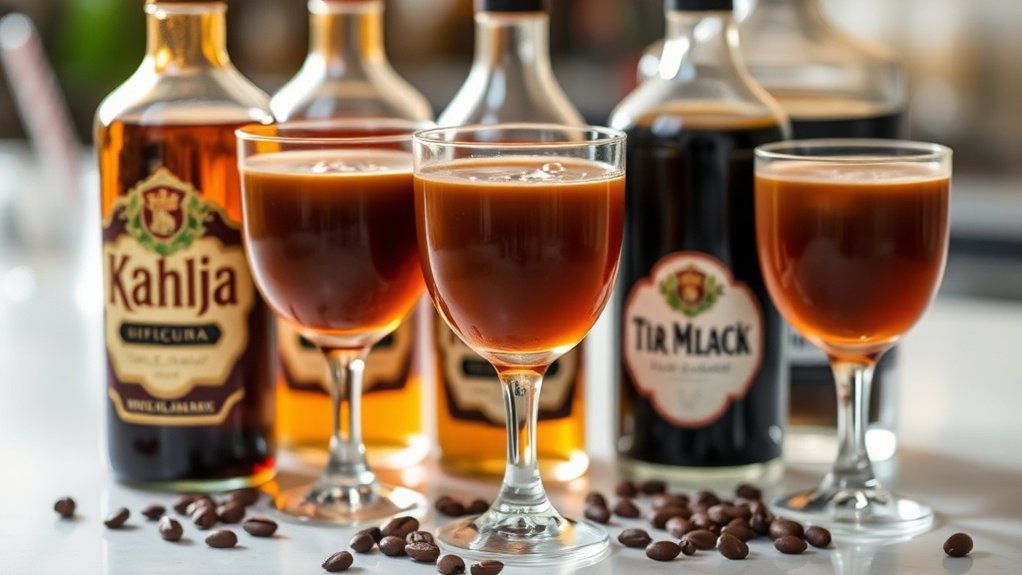
When comparing these alternatives, you’ll notice distinct differences:
- Tia Maria replicates Kahlúa’s taste profile most closely while guaranteeing vegan compliance.
- Mr. Black offers higher coffee concentration (25% ABV) for espresso-forward cocktails.
- FAIR. Café Liqueur combines vegan certification with Fair Trade ethics, appealing to environmentally conscious consumers.
Each vegan-friendly coffee liqueur provides reliable substitution ratios for Kahlúa-dependent recipes.
Creating Delicious Vegan Cocktails With Coffee Liqueur Alternatives
As you shift from traditional Kahlúa to vegan alternatives, you’ll uncover these certified options deliver comparable—often superior—flavor complexity in classic cocktails.
Mr. Black Coffee Liqueur explicitly confirms its vegan status while providing rich depth for Espresso Martinis. FAIR. Café Liqueur and Tia Maria are certified vegan options suitable for a vegan lifestyle, offering ethically-sourced ingredients for White Russians and similar drinks.
Giffard Café du Honduras adds organic and Fair Trade credentials to your vegan cocktails, assuring ingredient transparency.
However, you must verify labels carefully—while Kahlúa coffee liqueur doesn’t contain obvious animal products, its sugar processing methods remain undisclosed.
These certified vegan alternatives eliminate ambiguity, letting you craft indulgent coffee-forward cocktails without compromising dietary principles or sacrificing flavor quality.
This article was reviewed by Nicole Anderson, RDN.